

Examples of FarU’s cross-disciplinary collaboration at Infoshare 2026
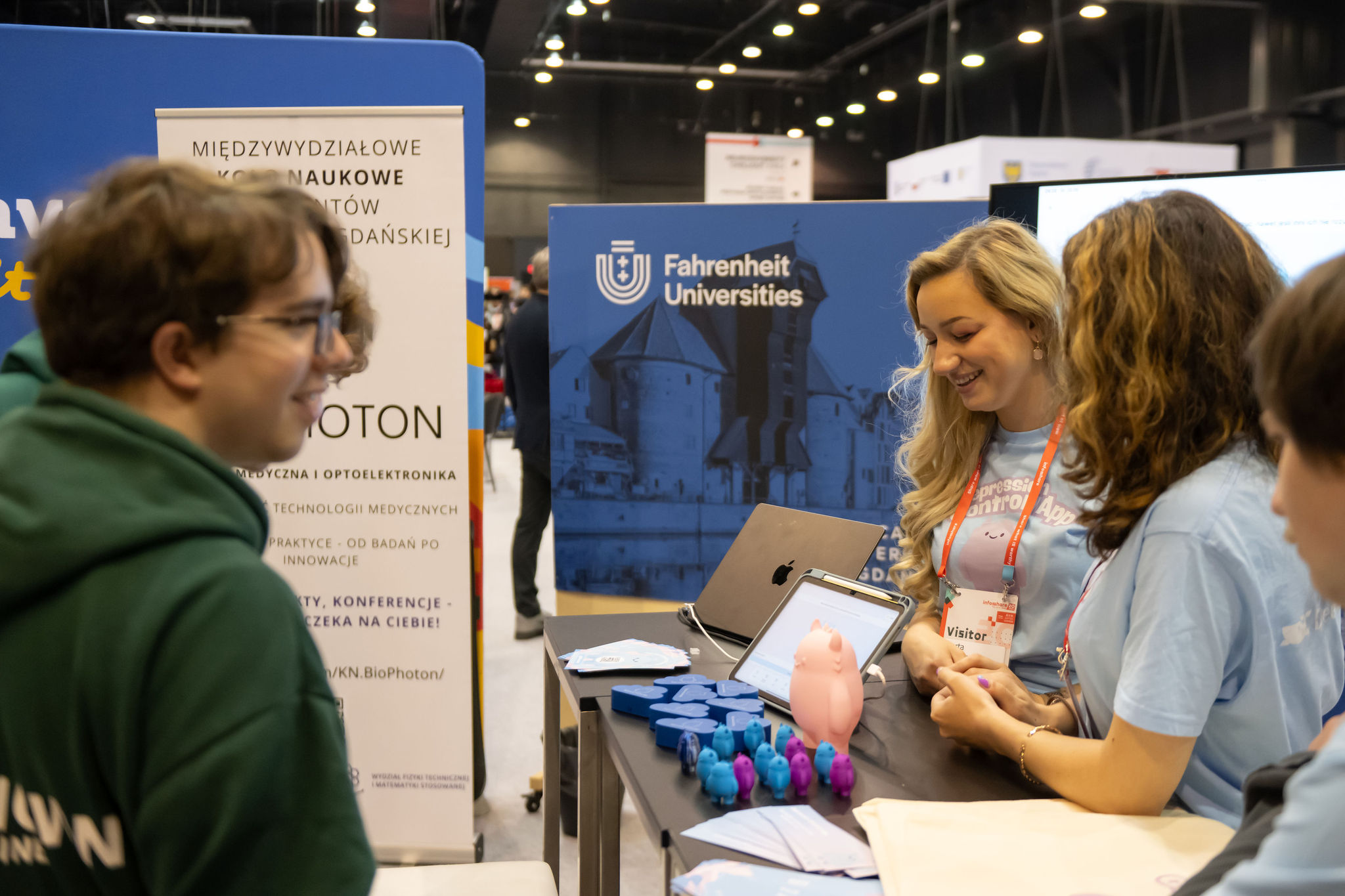
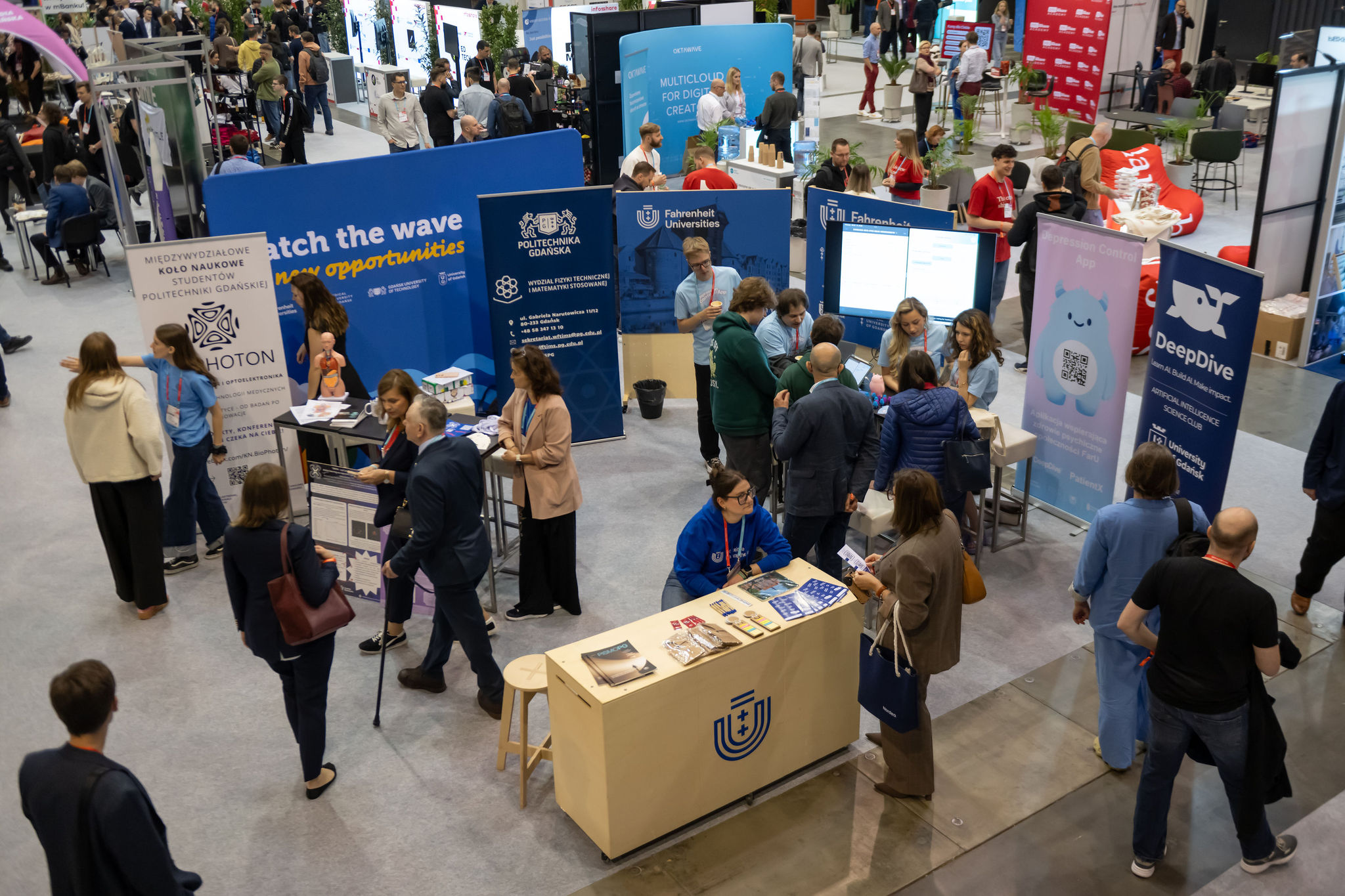
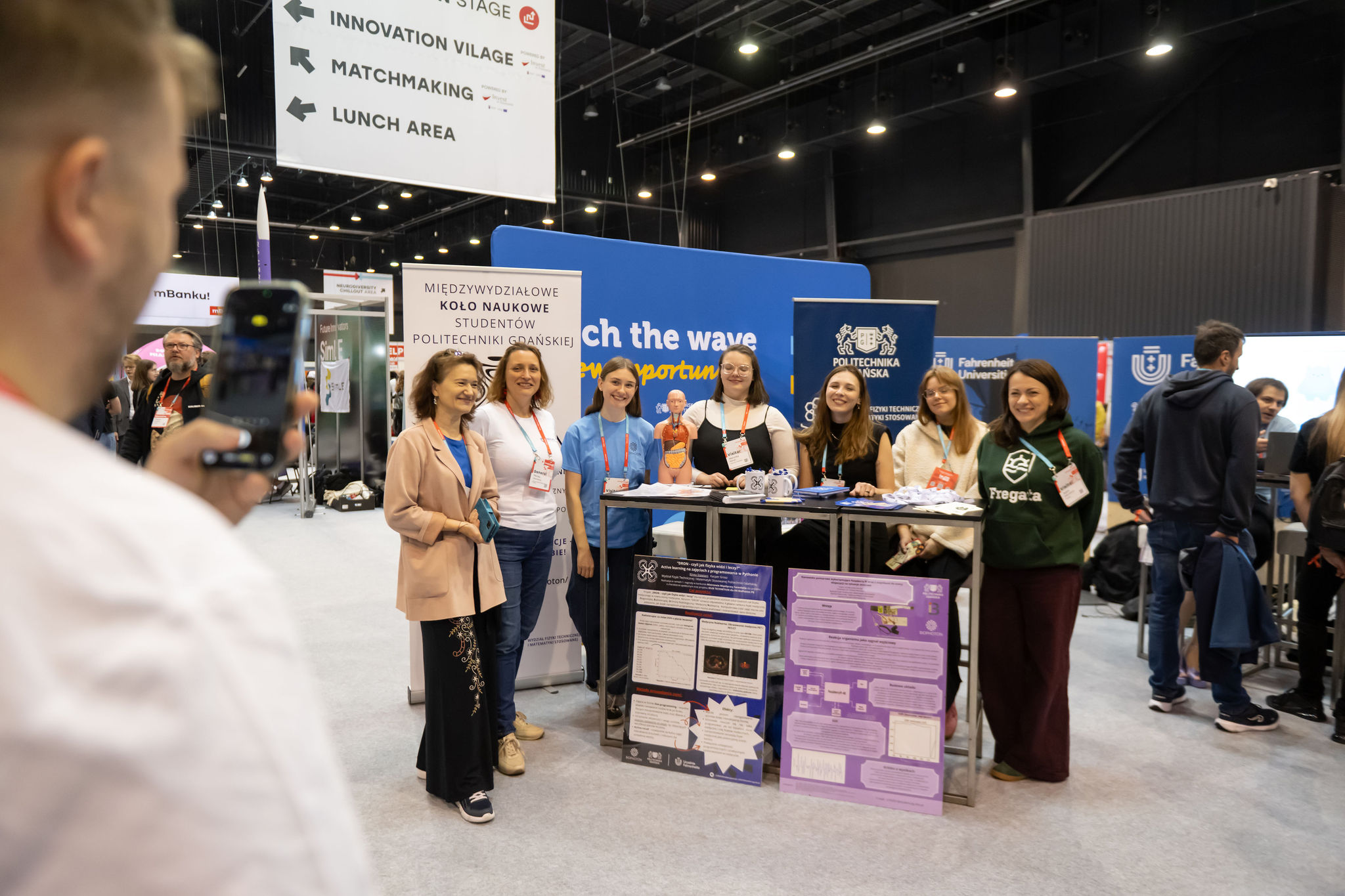
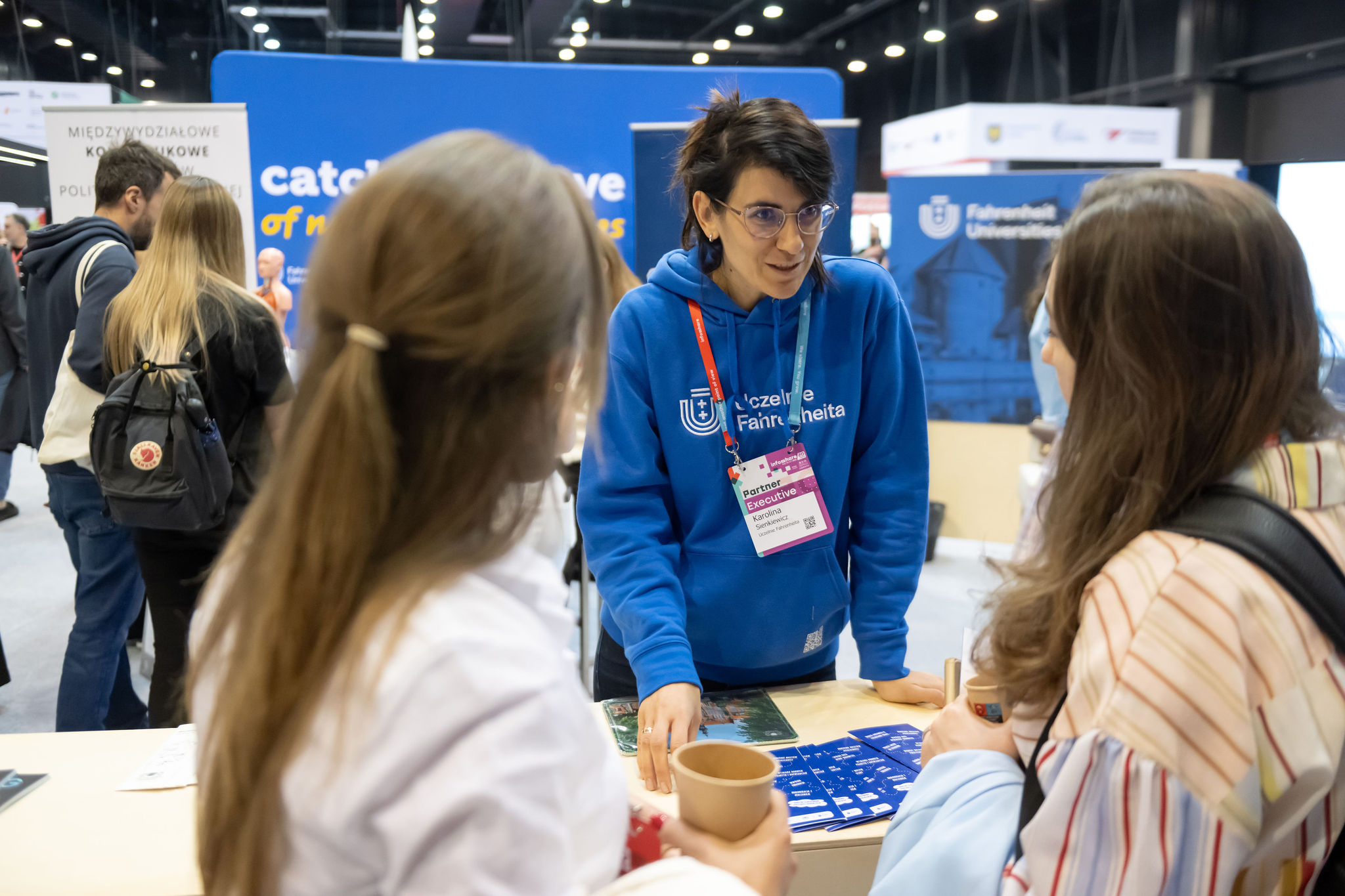
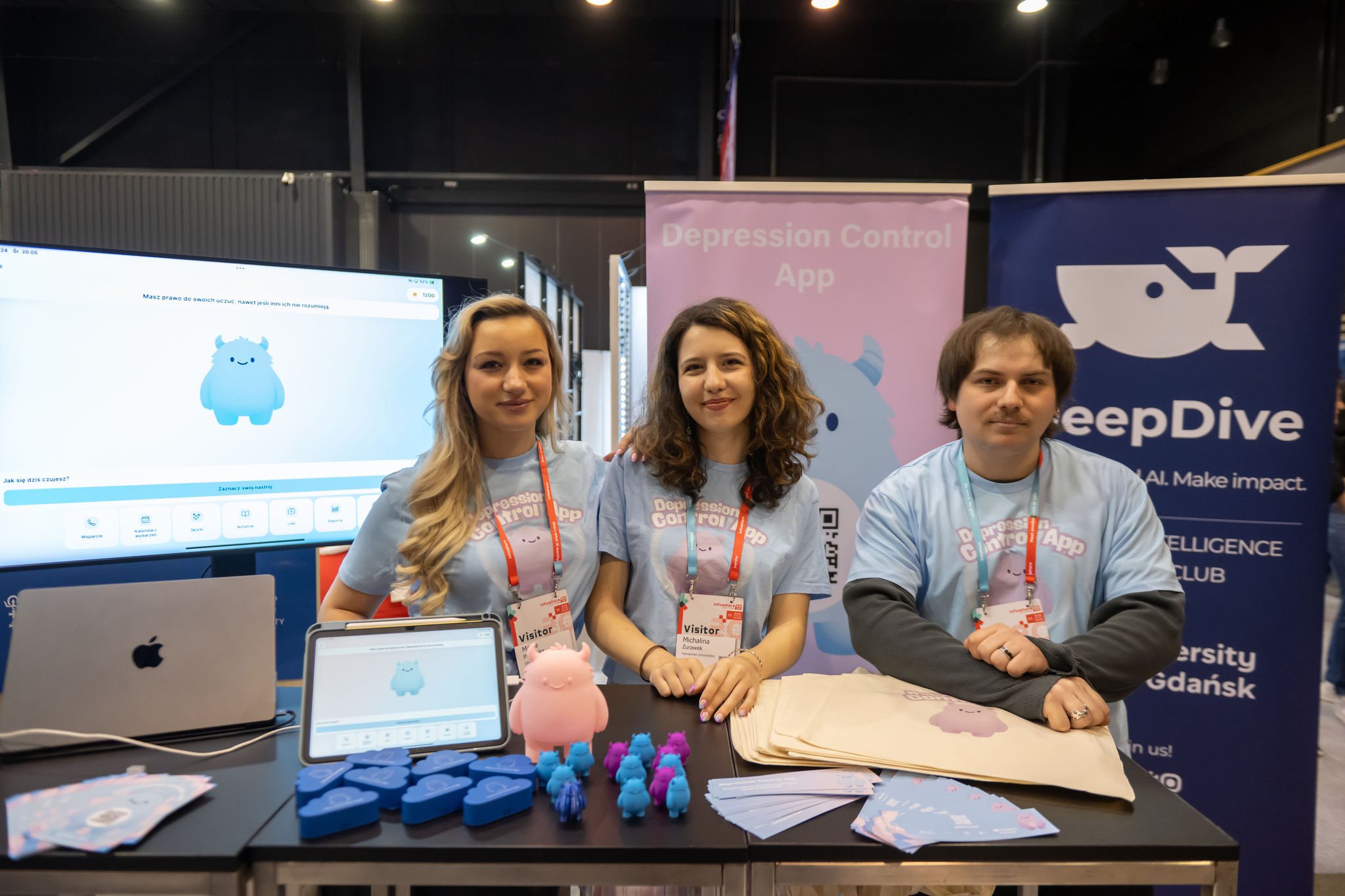
The Fahrenheit Universities (FarU) once again took part in Infoshare. This year, the FarU stand featured the Patient X student research club from the Medical University of Gdańsk, BioPhoton from Gdańsk University of Technology, and DeepDive from the University of Gdańsk. During the opening of the conference, GUMed, Gdańsk Tech and UG also signed a letter of intent concerning the development of start-ups, space technologies, and dual-use projects in partnership with the City of Gdańsk, PFR and PSSE.
Once again, owing to an invitation from InvestGDA, the largest universities in Gdańsk that make up the Fahrenheit Universities (FarU) were able to showcase examples of jointly developed initiatives that contribute to the integration of academic communities and cooperation with the business sector, thereby supporting the development of the region.
The Fahrenheit Universities’ stand also featured the Fahrenheit Champions of Cooperation – intercollegiate projects that received funding through the competition and have been implemented over the past several months.
One such project is DepressionControlApp, an excellent example of combining medical, technological, and social expertise to address the real needs of young adults. The initiative was developed by the PatientX student research club from the Medical University of Gdańsk and DeepDive from the University of Gdańsk. The application’s main objective is to monitor users’ mood and analyse the data they choose to share, with support provided by a virtual assistant.
Meanwhile, members of the BioPhoton student research club from the Gdańsk Tech, whose work focuses on a broad range of engineering applications in medicine, presented the project “DRON – How Physics Sees and Heals?”. Across two editions of the project, they presented the four pillars of medical physics: diagnostic imaging, radiotherapy, radiation protection, and nuclear medicine to secondary school students. During the conference, the members of the student research club also addressed the topic of prevention, using anatomical models to discuss common types of cancer and the importance of regular health screenings.
We would like to thank the following for their commitment and contribution:
- Jakub Pawłowski, Krzysztof Pietruczuk and Szymon Bierzanowski from the Patient X student research club at the Medical University of Gdańsk;
- Brygida Mielewska, Ph.D., Vice-Dean for Student Affairs at the Faculty of Technical Physics and Applied Mathematics, as well as Eryka Kacpura, Weronika Karnaś, Kinga Stawiarz and Klaudia Szwaba from the BioPhoton student research club at the Gdańsk Tech;
- Anna Ćwiklińska, Marta Pągielska, Wojciech Rusinek, Jakuba Susoł and Michalina Żurawek from the DeepDive student research club at the UG.
2026-05-22T06:15:34Z