

Pomerania welcomed the new academic year
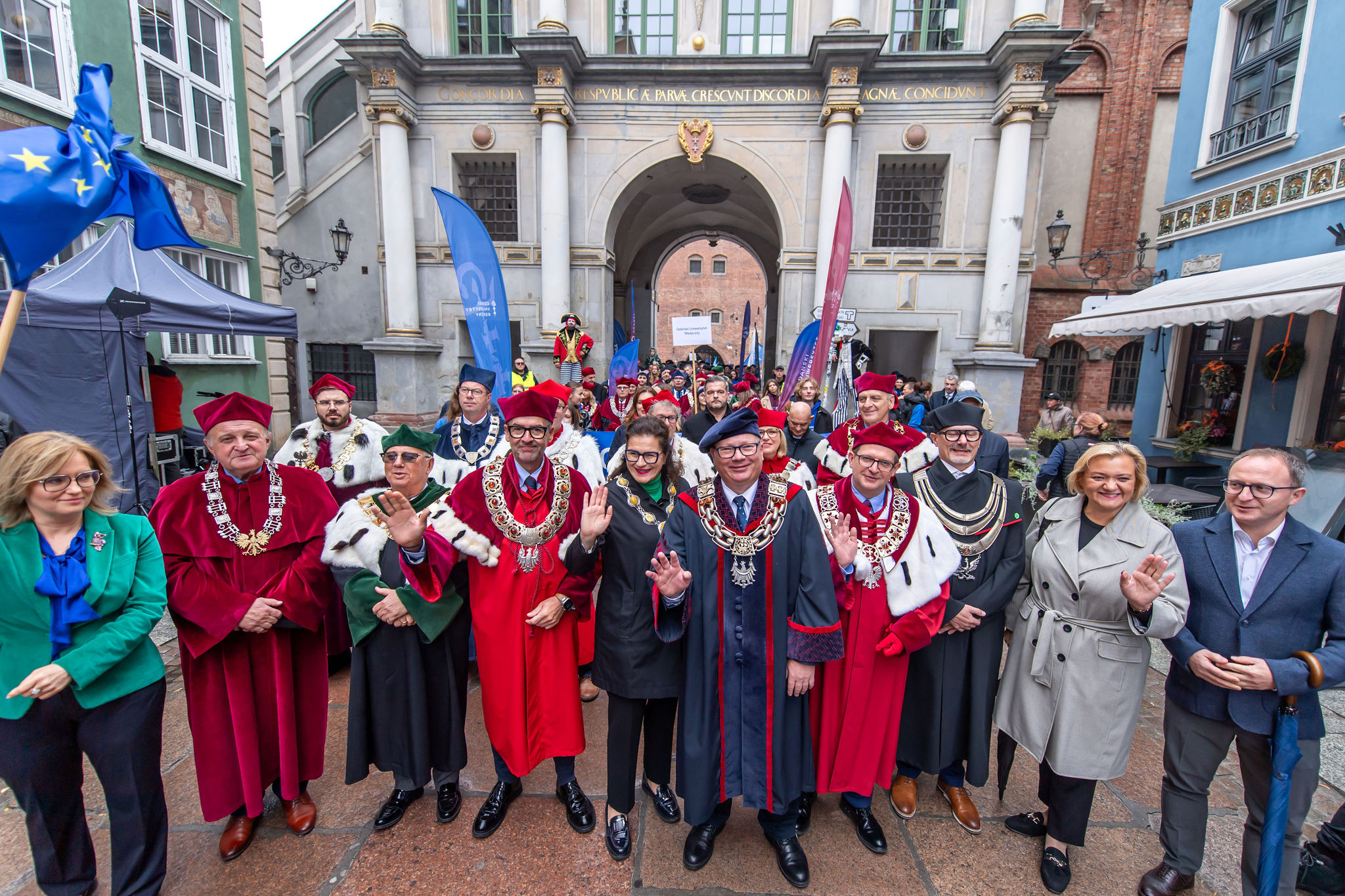
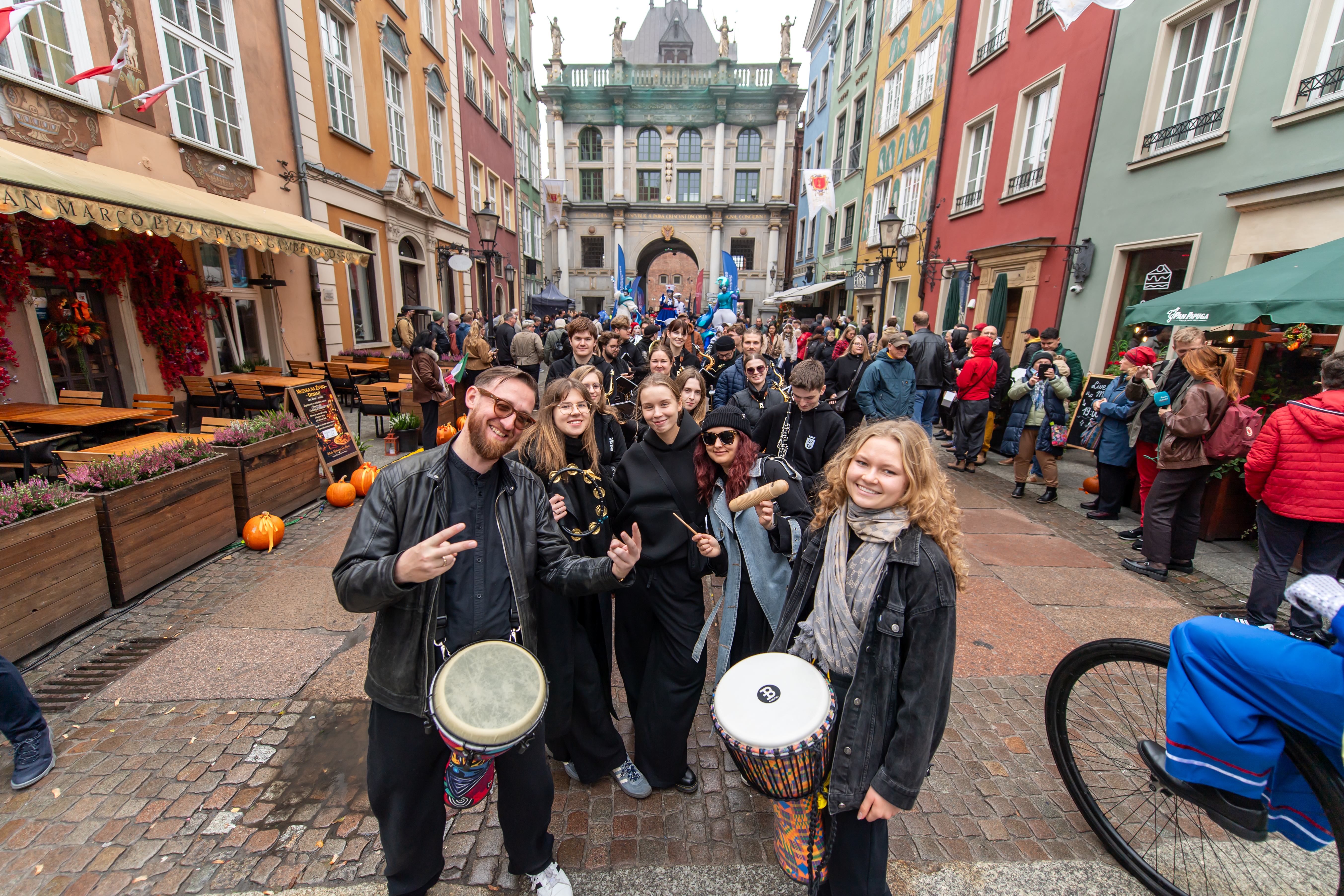
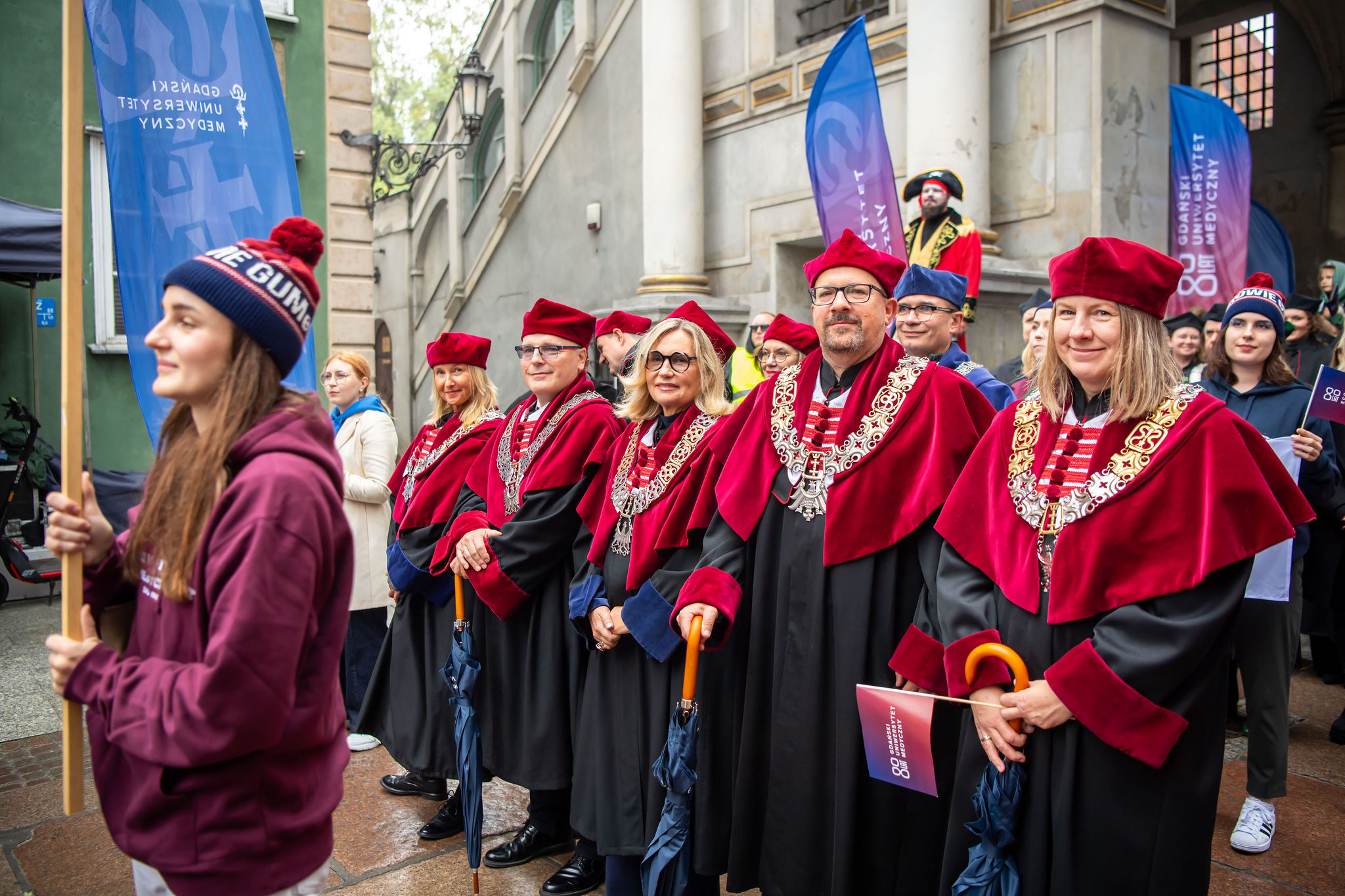
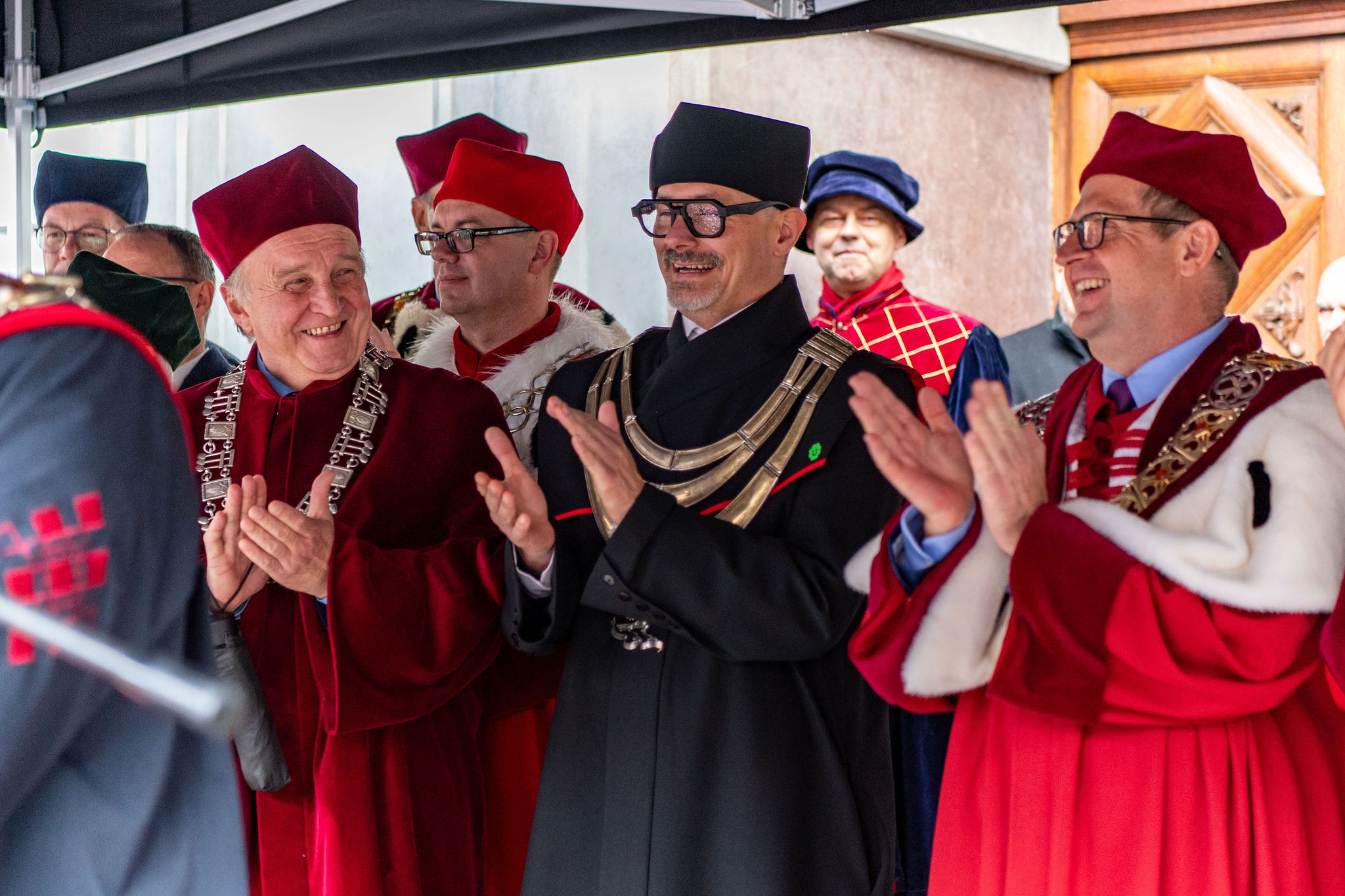
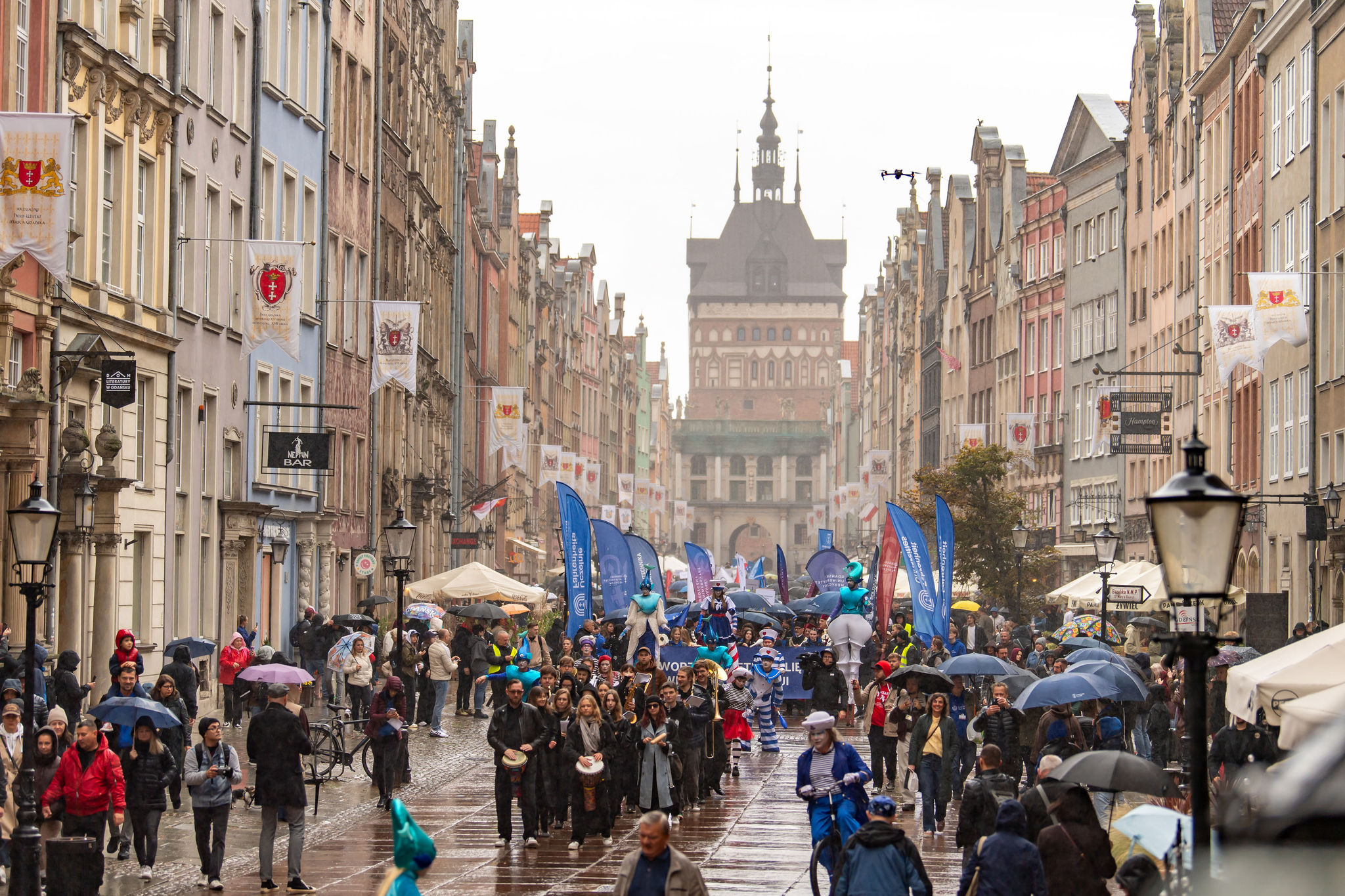
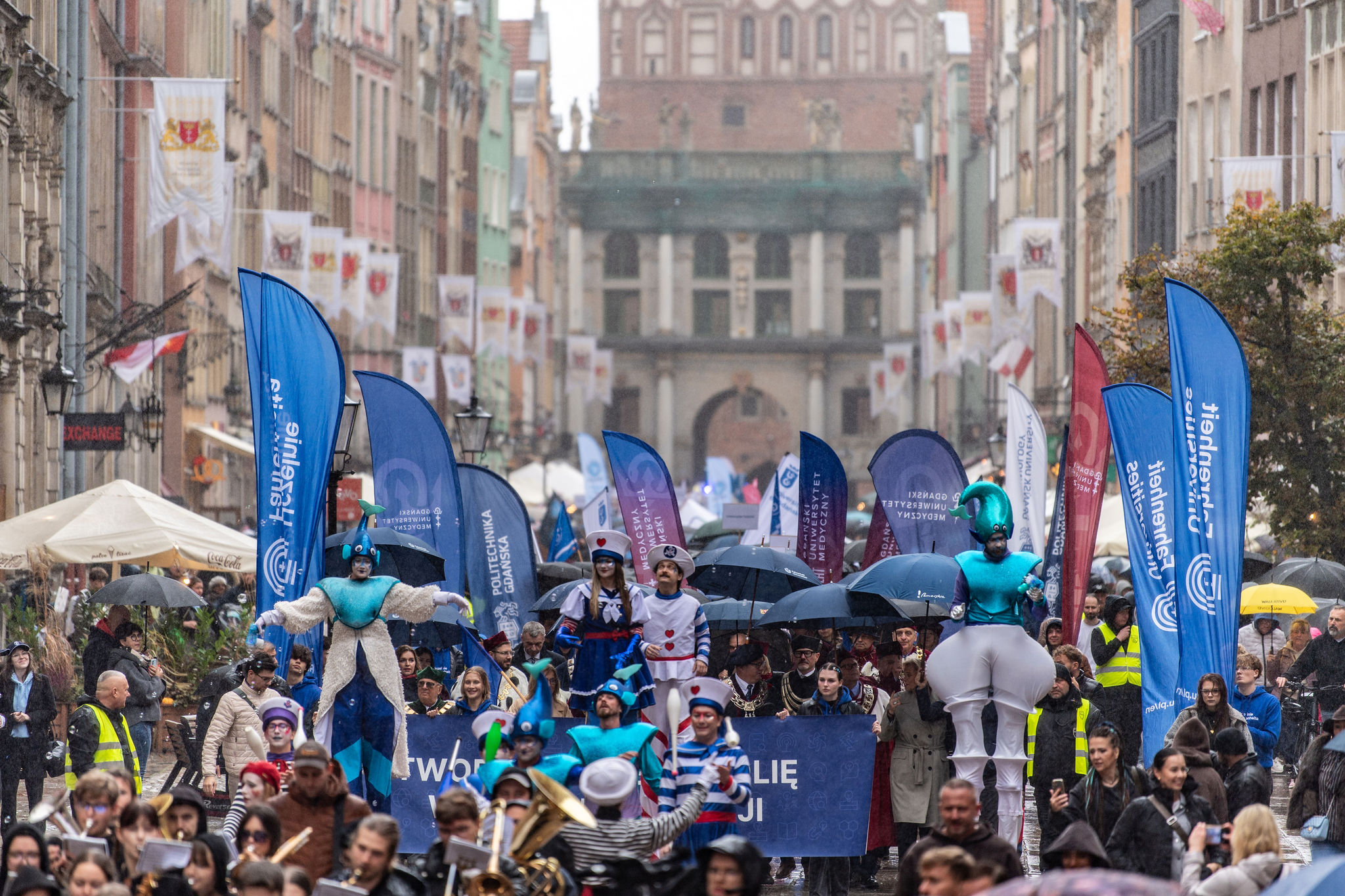
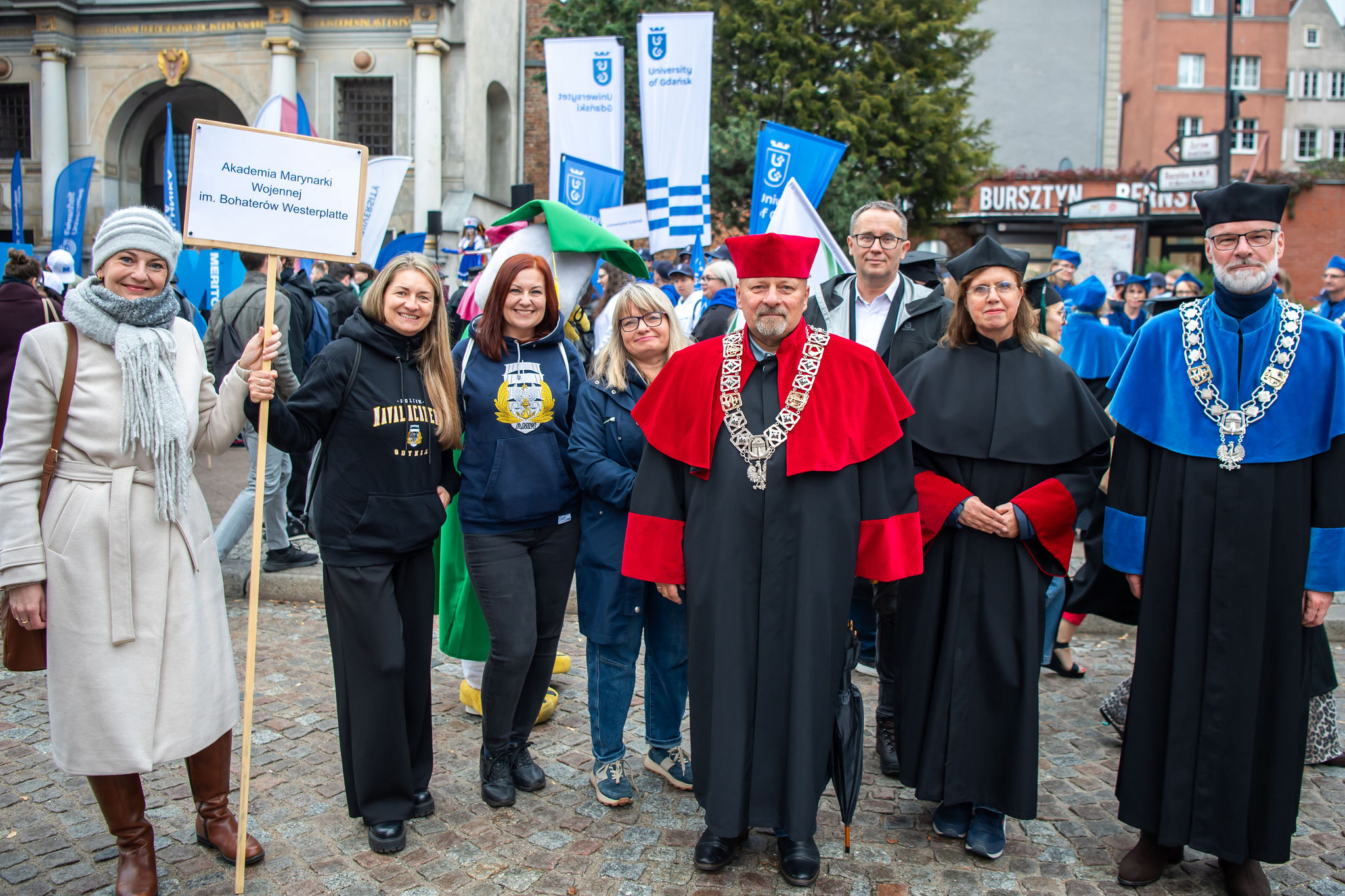
Scientists, students, local government officials, and residents once again marched together along the Royal Route in Gdańsk to symbolically welcome the new academic year and show the potential of the Pomeranian scientific circles. Delegations from as many as 20 universities participated in this year's parade. An additional reason to celebrate was the signing of the Metropolitan Act in August.
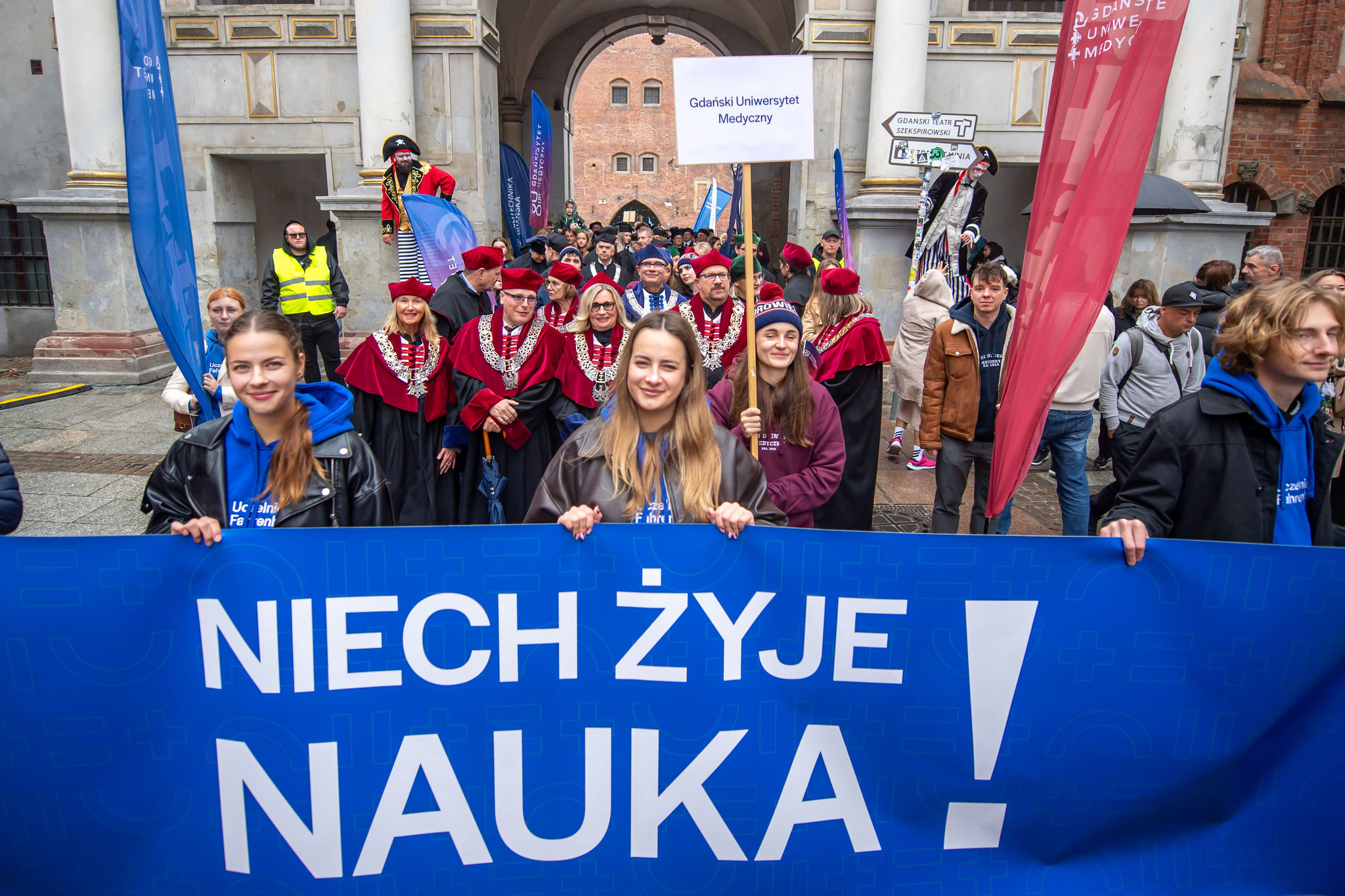
The parade, held under the slogan “Long live science!”, has become a permanent fixture in Pomerania's academic calendar. Each year, the parade brings together representatives of higher education institutions, local authorities, organizations, and residents to celebrate the beginning of the next academic year together.
Higher education institutions are essential and invaluable, for, like engines, they drive entire urban organisms economically, socially, and culturally. Thank you, members of our academic community! I have my fingers crossed for the establishment of the Federation of Fahrenheit Universities. This vision is consistent with the efforts to establish the Gdańsk Metropolitan Area. We are getting ever closer to our objective – emphasised Aleksandra Dulkiewicz, Mayor of Gdańsk.
The event was also attended by Anna Olkowska-Jacyno, Deputy Voivode of Pomerania, and Marcin Skwierawski, Deputy Marshal of the Pomeranian Voivodeship.
This year, for the first time, the opening banner of the parade featured a slogan referencing the Metropolitan Union Act, signed by the President of the Republic of Poland, Karol Nawrocki. The endorsement of the Act was preceded by months of efforts in which the Pomeranian academic community actively engaged, expressing their collective support for the creation of the metropolis.
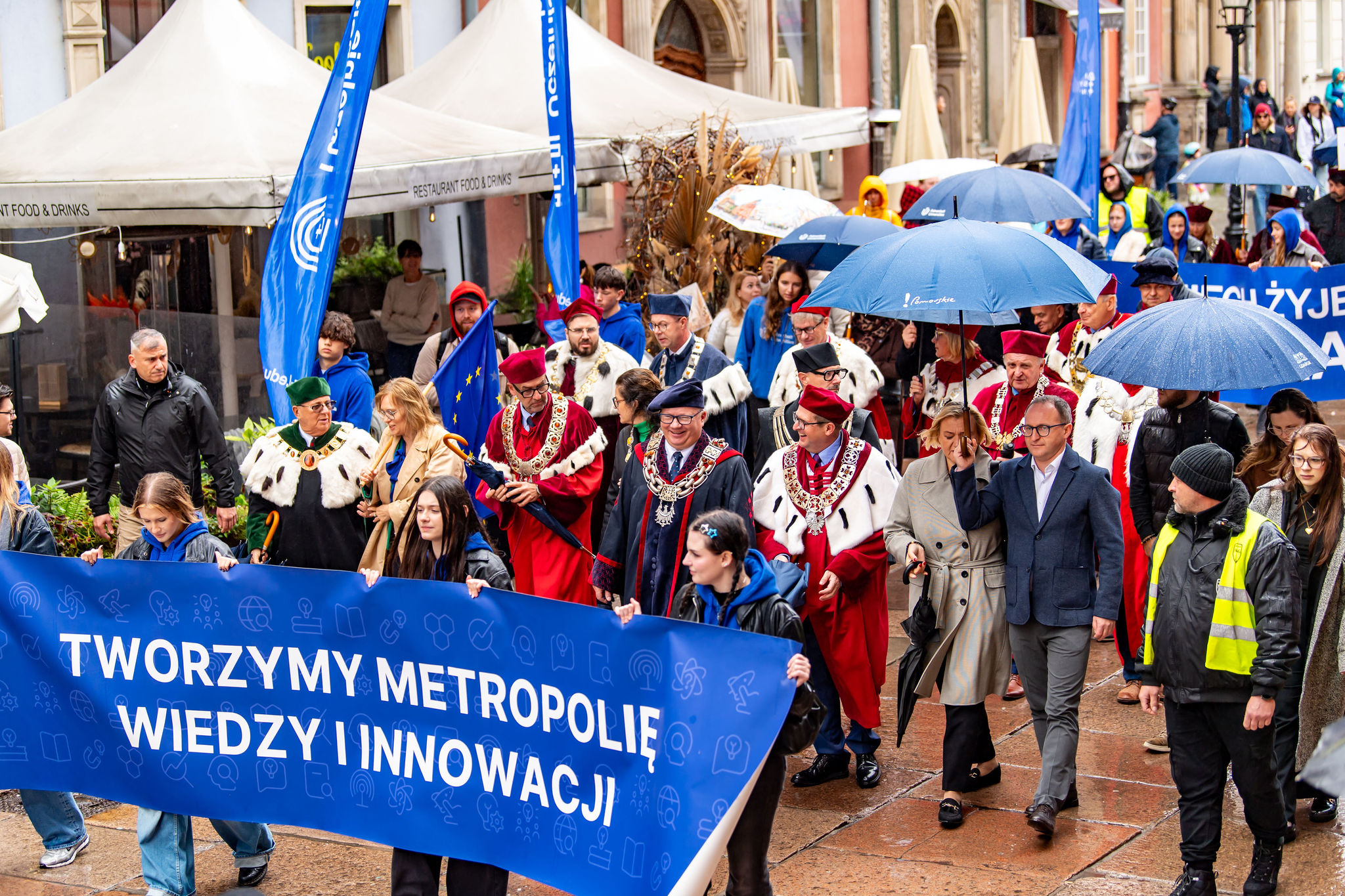
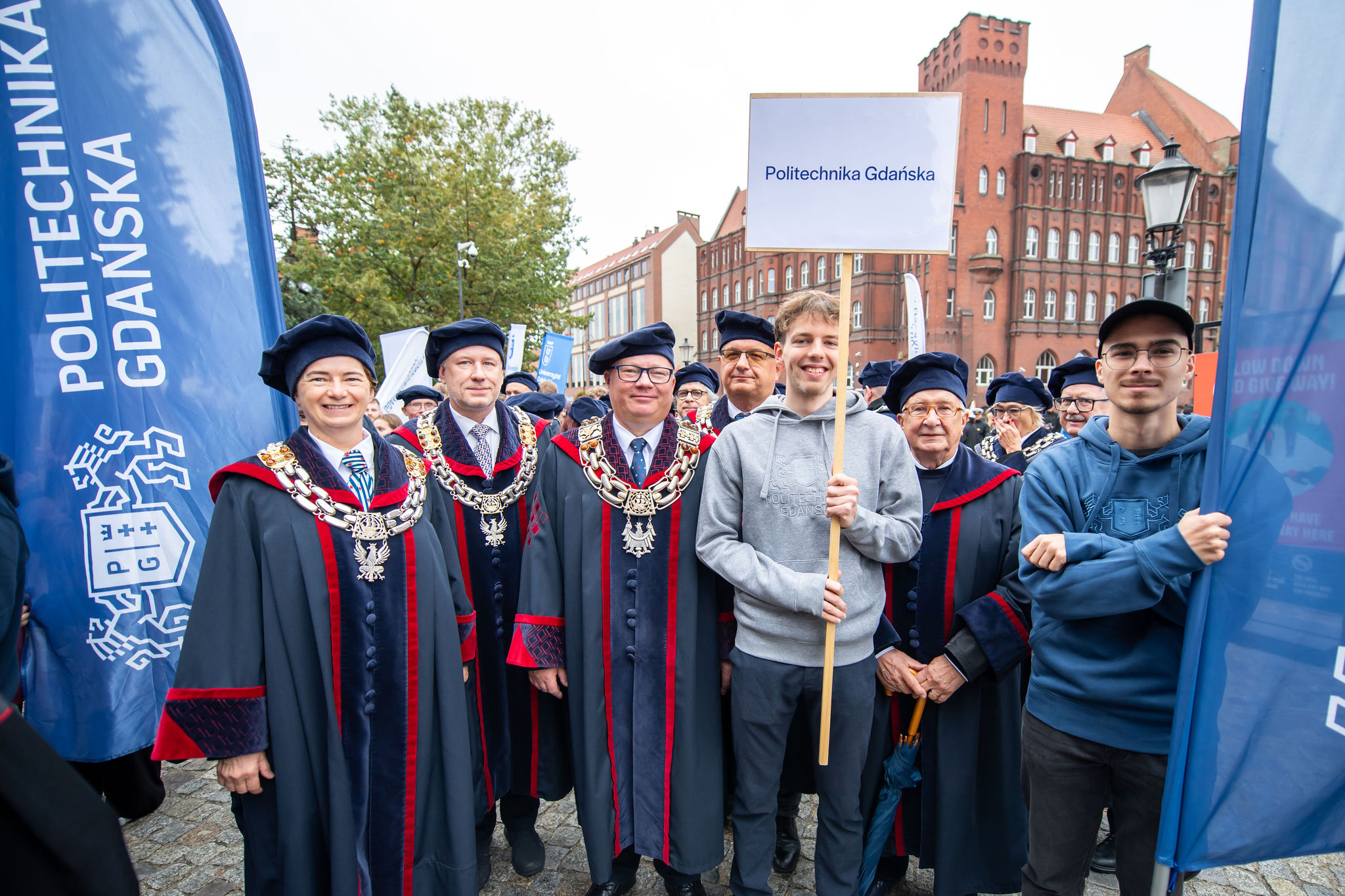
Over the past year, we have had a very concrete example of what such joint action can lead to. A joint position supporting the creation of the metropolis preceded the signing of the Metropolitan Act. Because a metropolis is not just administrative boundaries and regulations. It is created by people. Local government officials, scientists, residents and entrepreneurs. Everyone who lives here, works here, and wants to develop this region – said Prof. Krzysztof Wilde, Chairman of the FarU’s Assembly and Rector of the Gdańsk University of Technology.
When we combine the potential of our universities, Pomerania gains a strength that is becoming visible and appreciated across Europe. Researchers, lecturers, and students are the beating heart and foundation of this emerging metropolis - added Anna Olkowska-Jacyno.
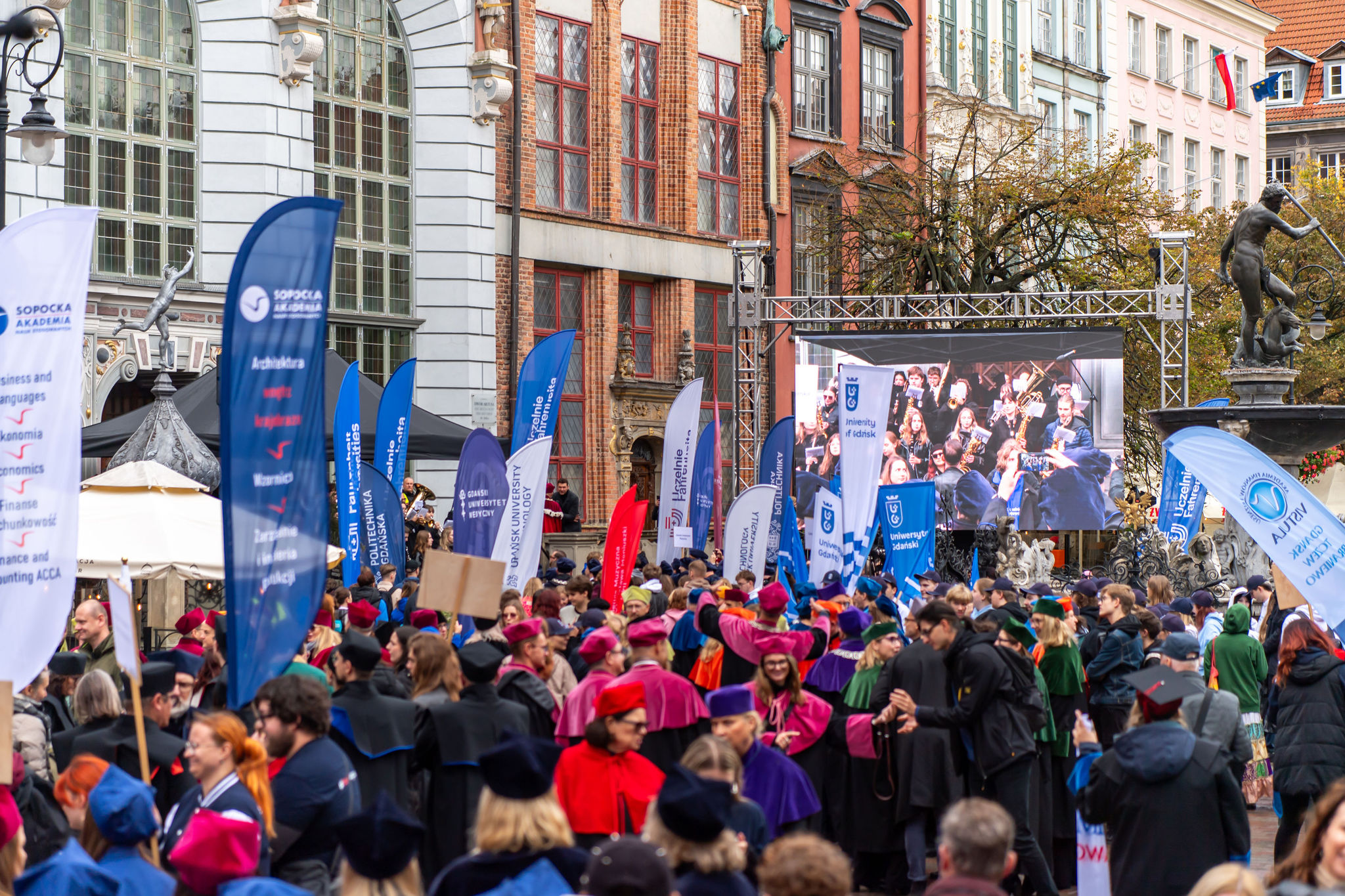
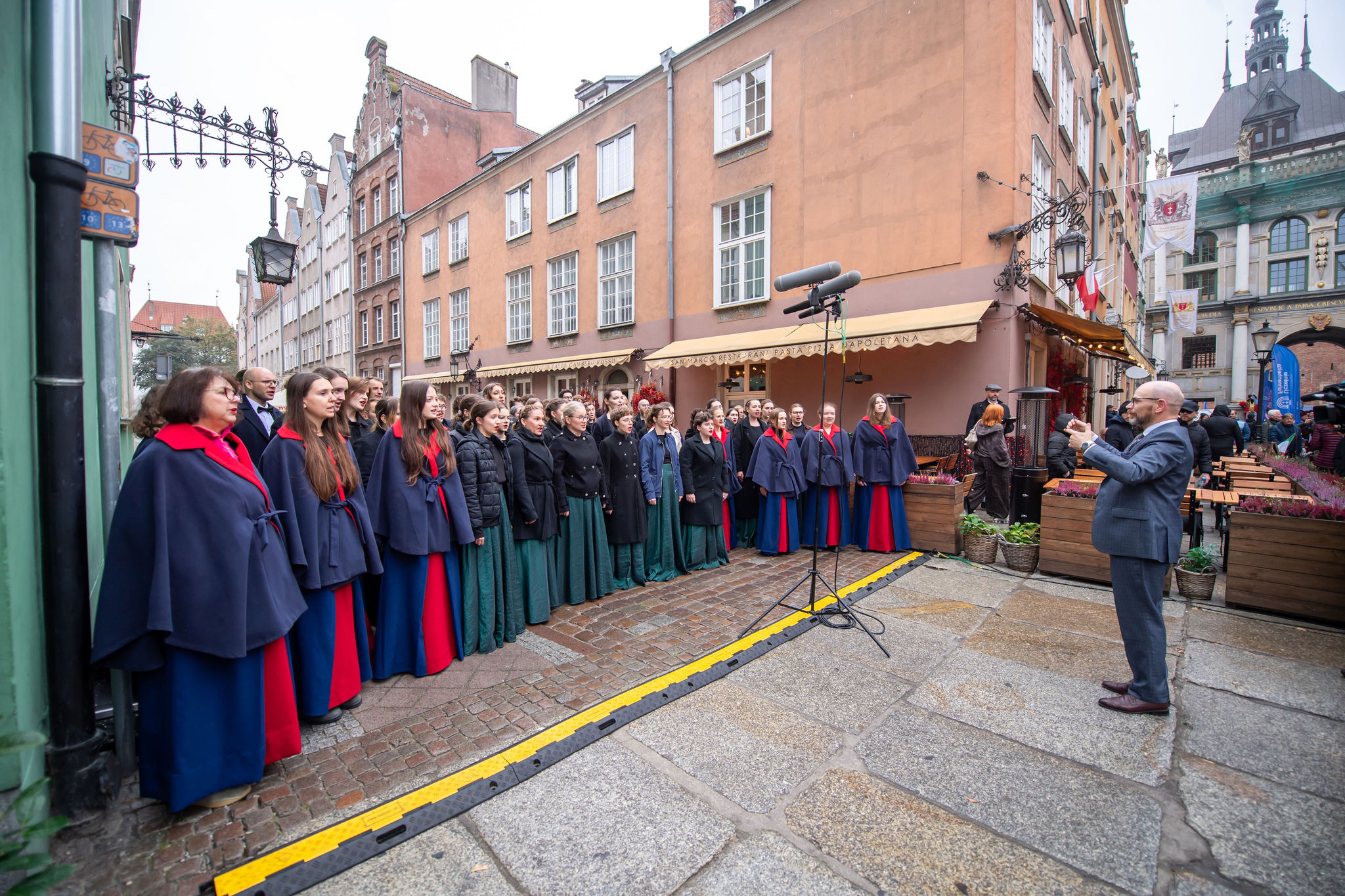
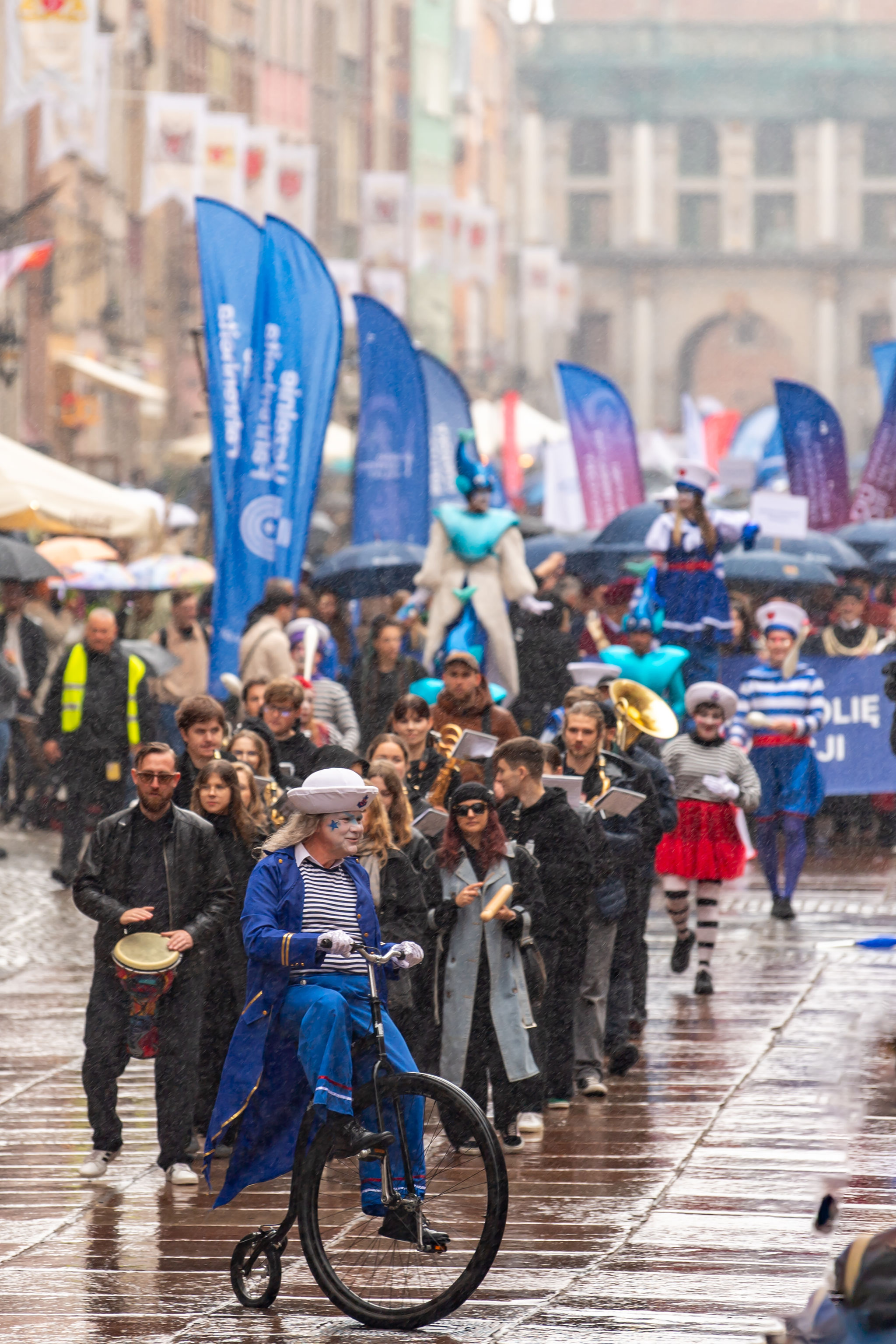
The joint opening of the academic year in Gdańsk took place for the fifth time. The event once again demonstrated the close cooperation between Pomeranian universities and the vital role that the academic community plays in the development of the region. Before the parade began, academic choirs jointly performed “Gaudeamus igitur”, and along the route, participants were accompanied by the Gdańsk Academic Orchestra as well as colourful figures, this time inspired by the sea, sailing, and privateers.
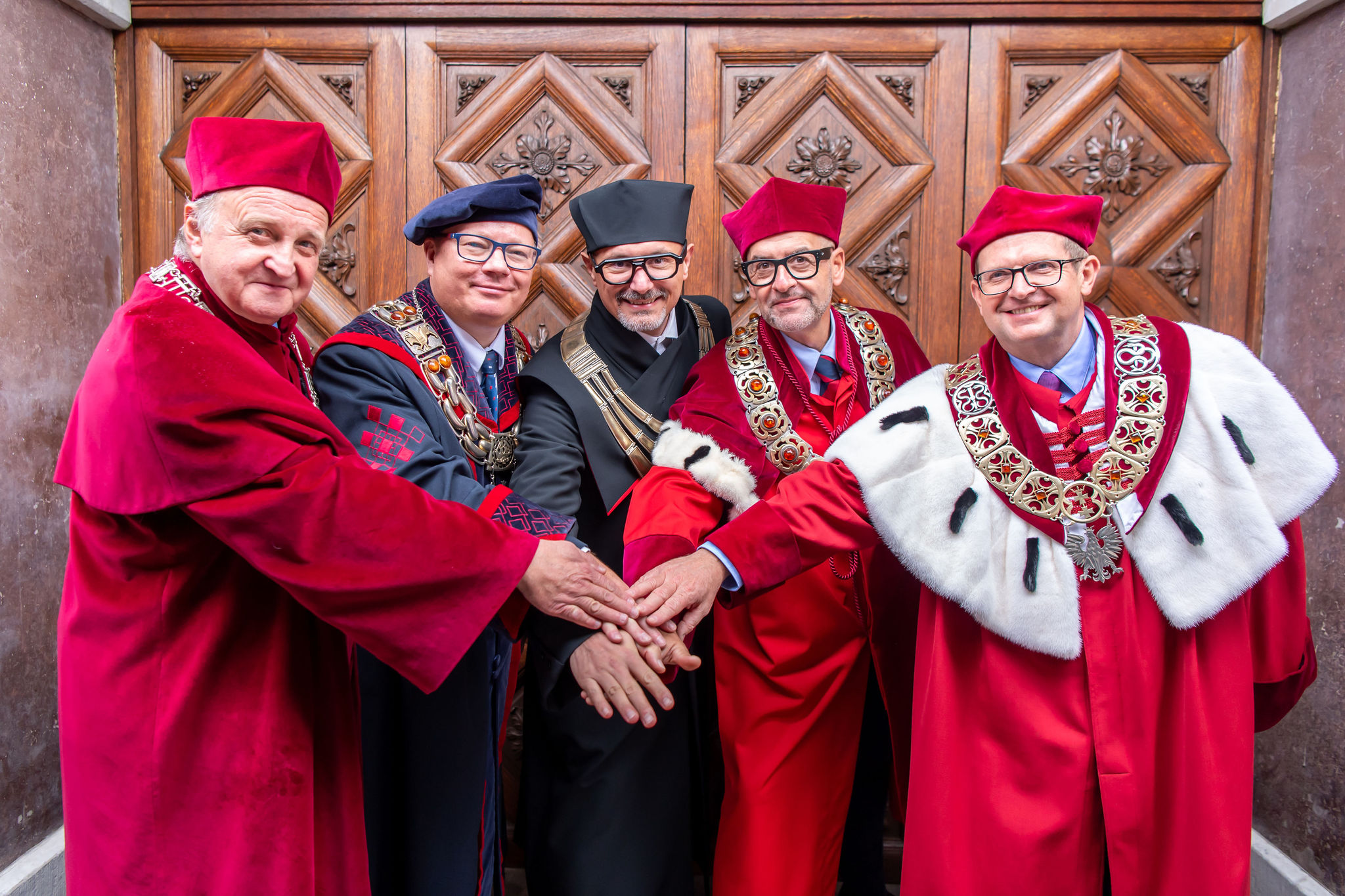
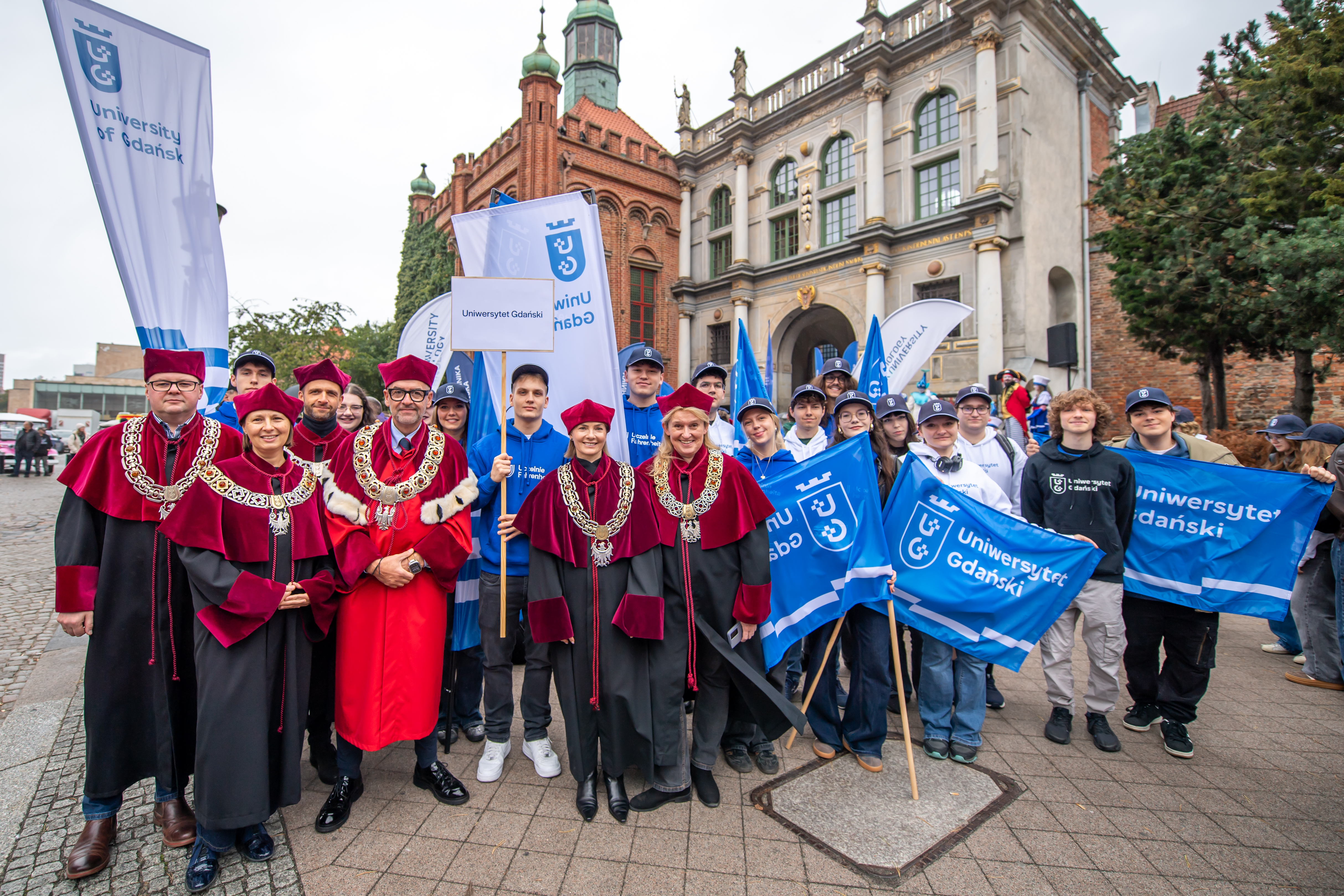
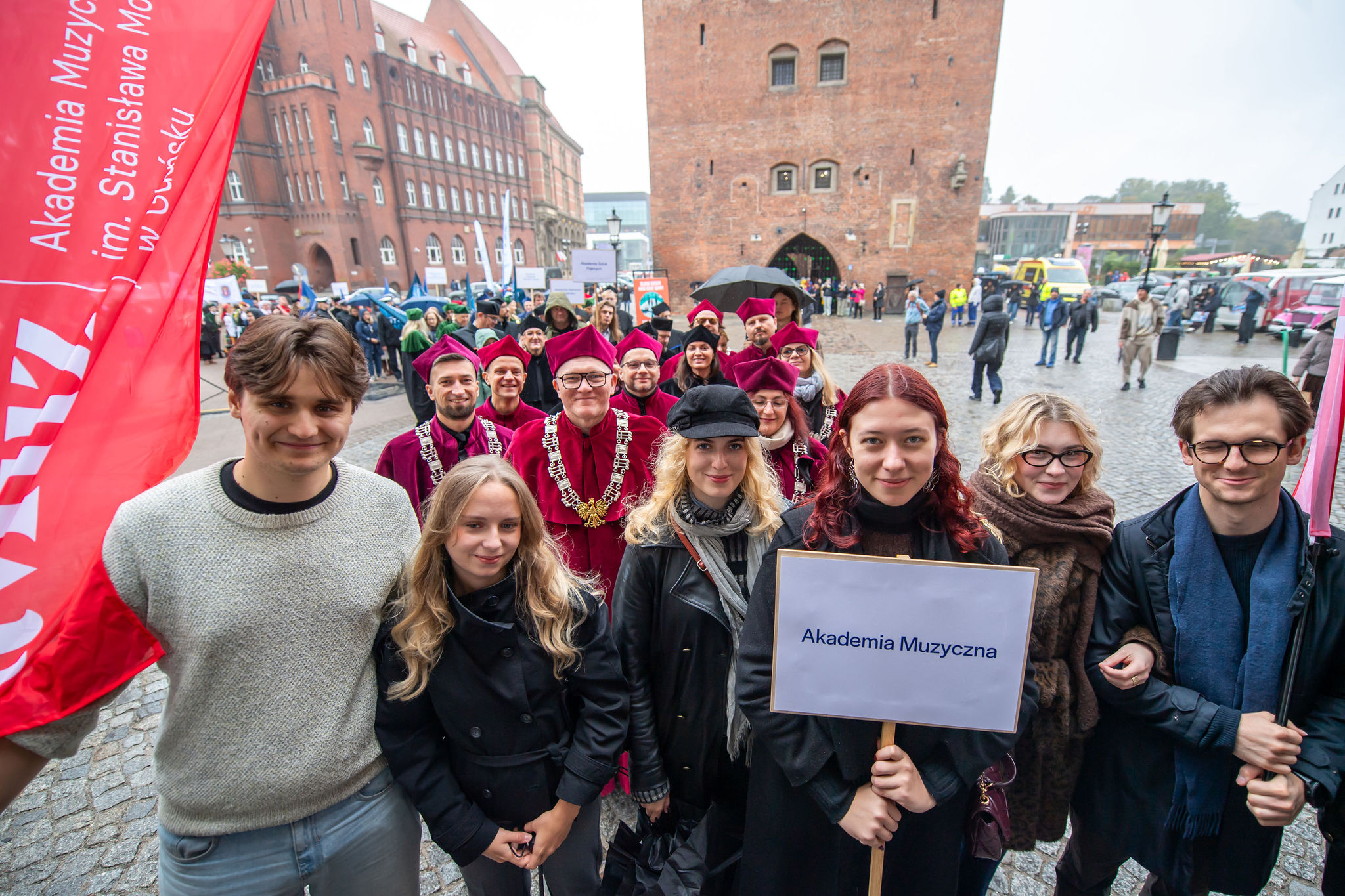
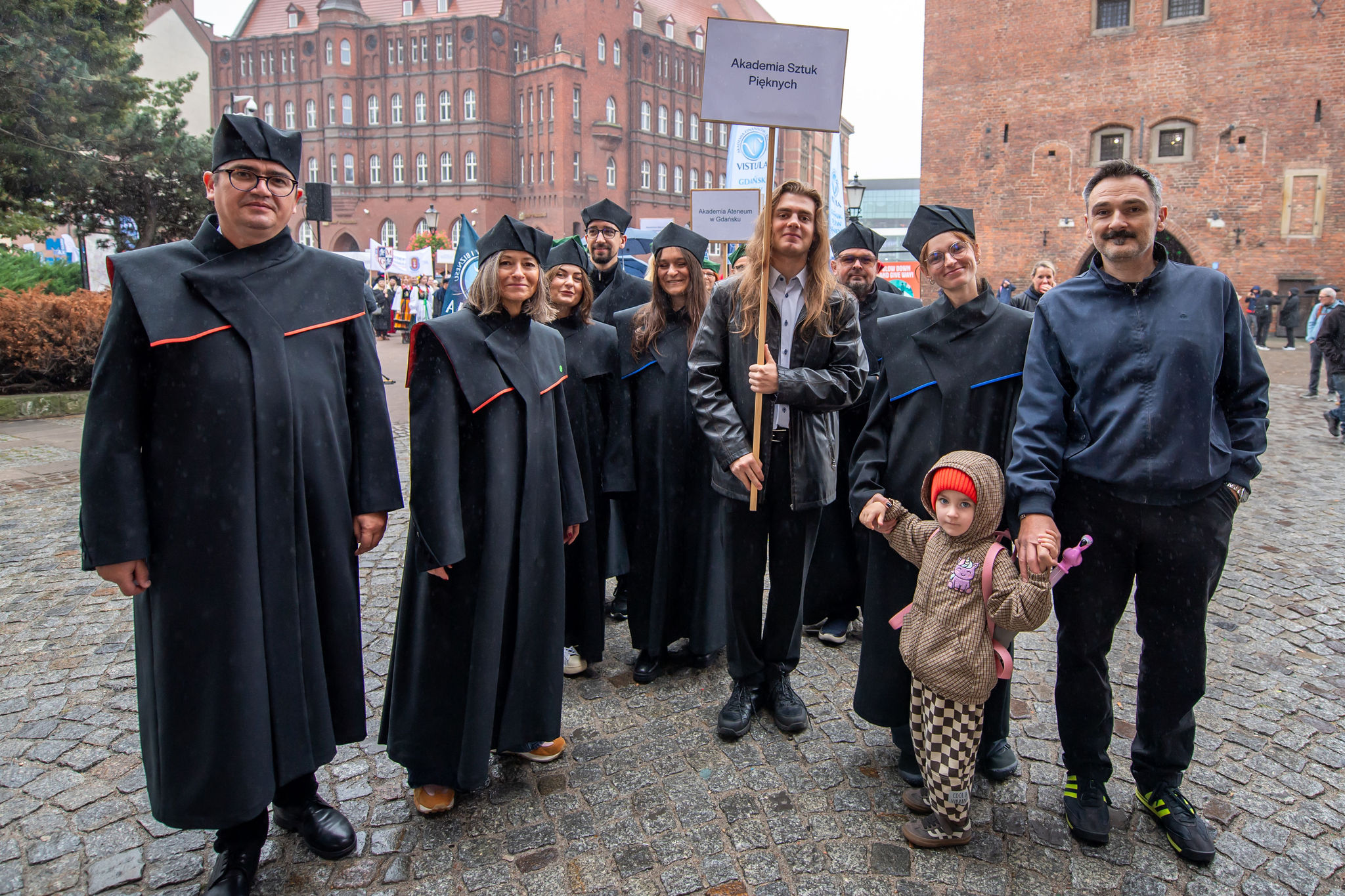
This year's parade was also an opportunity to highlight changes within the Fahrenheit Universities. Joining its existing members – the Medical University of Gdańsk, Gdańsk University of Technology, and the University of Gdańsk – were two other Gdańsk universities: the Stanisław Moniuszko Academy of Music and the Academy of Fine Arts. This is yet another important step towards the creation of the federation of universities.
I am very pleased about this, because thanks to this, science, art, and culture come together even more strongly. I would like us to think about Pomerania in precisely this way. As a place where universities, local government, culture, and business don’t operate in isolation, but genuinely talk to one another and are able to build something together – emphasised Prof. Krzysztof Wilde.
During the event, speeches were delivered by Ph.D. students from the Gdańsk art universities that had been admitted to the union.
In the common perception, the work of a musician consists of concerts, rehearsals, recordings, interviews, and, from time to time, enthusiastic applause. We, on the other hand, as academics, read, write, experiment, and develop projects – said Małgorzata Priebe from the Stanisław Moniuszko Academy of Music in Gdańsk. – The most important task we have as artists is to invite you into our inner world.
Standing between two worlds – the world of children and the world of adults – I want two things today. To be a source of support for those who need it, but also to preserve curiosity, openness, and kindness – which are the qualities I see in the kids. These qualities have also given rise to wonderful initiatives. One of them is the establishment of the Fahrenheit Universities, which my Academy of Fine Arts and the Academy of Music are joining today – said Dominik Derewecki, a Ph.D. student of the Academy of Fine Arts in Gdańsk.
In addition to the five universities forming the Fahrenheit Universities, representatives of the following institutions also participated:
- Ateneum University in Gdańsk,
- Vistula University, Branch in Gdańsk,
- Heroes of Westerplatte Naval Academy,
- Stanisław Moniuszko Academy of Music in Gdańsk,
- Academy of Fine Arts in Gdańsk,
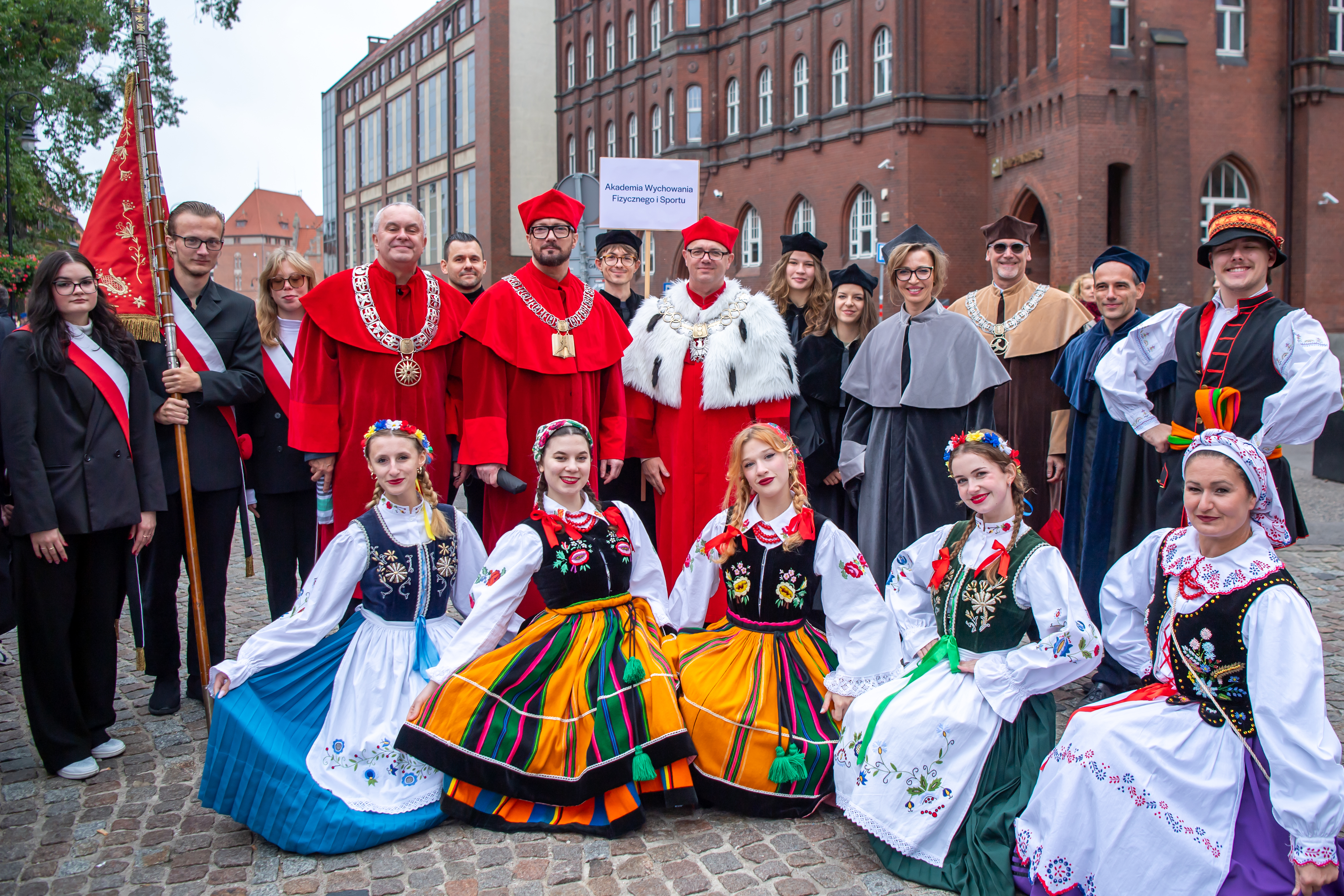
- Jędrzej Śniadecki Academy of Physical Education and Sport,
- Gdańsk Medical Academy of Applied Sciences,
- Gdańsk Seminary,
- Polish-Japanese Academy of Information Technology, the branch in Gdańsk,
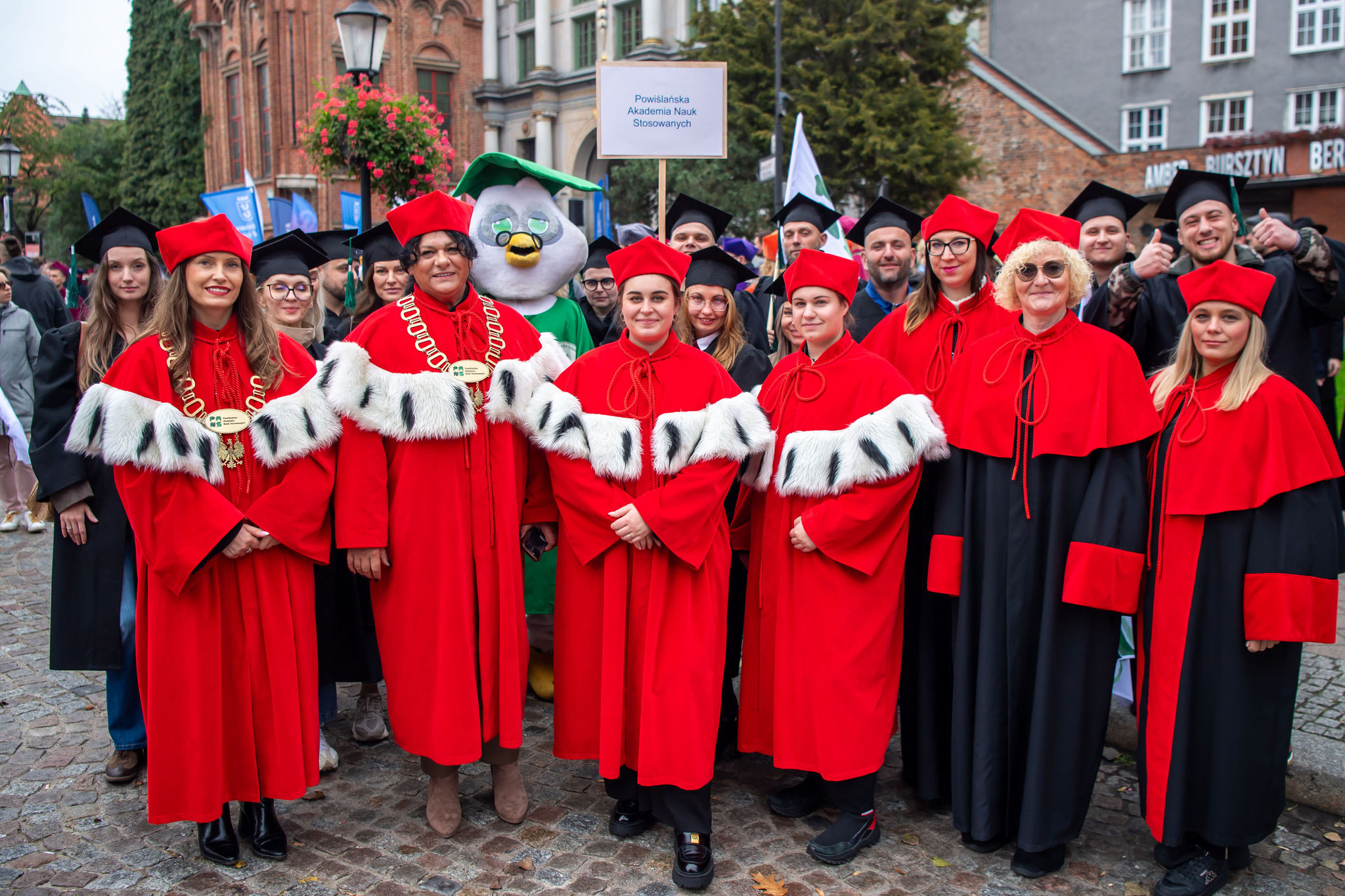
- Powiśle University of Applied Sciences,
- Sopot Academy of Applied Sciences,
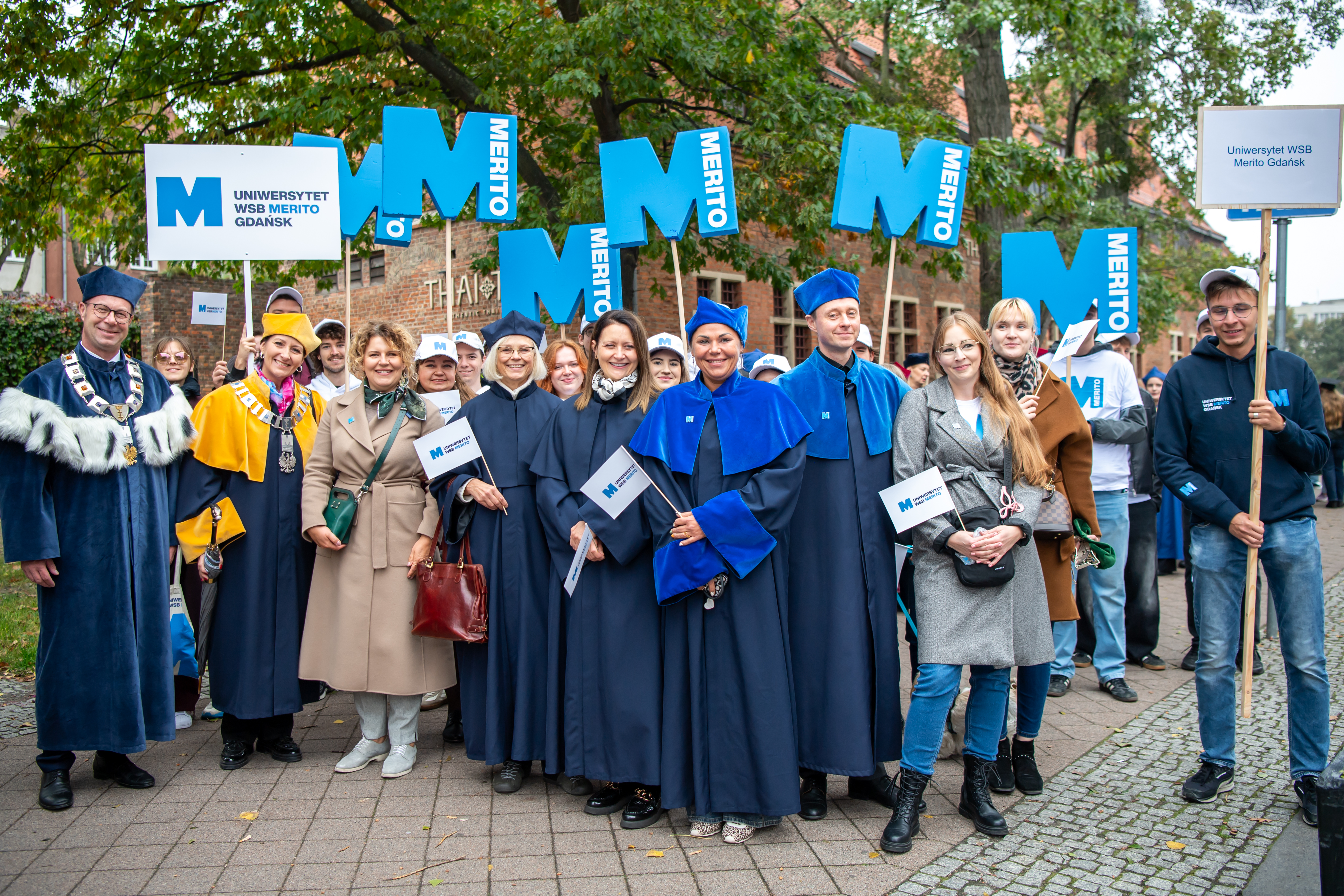
- WSB Merito University Gdańsk,
- Eugeniusz Kwiatkowski University of Business and Administration in Gdynia,
- University of Security, the branch in Gdańsk,
- Higher School of Economy Engineering in Słupsk,
- University of Social Studies and Economics in Gdańsk,
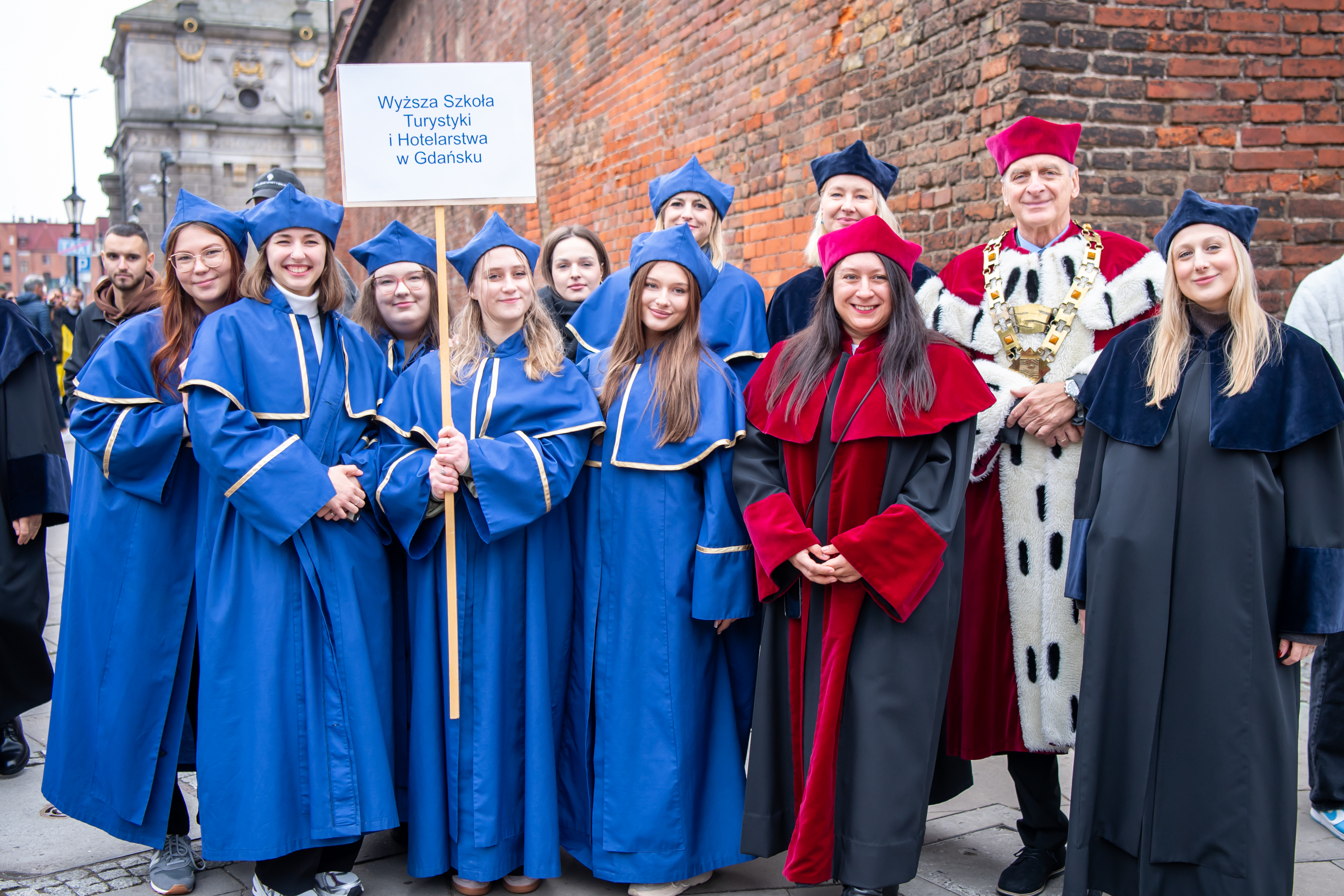
- Academy of Tourism and Hotel Management in Gdańsk.
The organisers wish to thank the Gdańsk Archipelago of Culture and Museum of Gdańsk for their cooperation and the various services for ensuring safety during the parade.
Photo: Gregmar
2026-10-13T08:09:59