
Champions’ Monday: 10 teams celebrate with prizes!
38 projects submitted, 19 teams invited to the second stage, and 10 selected as winners!
This year’s laureates will begin their project work at the start of 2026, using the granted funds to bring their ideas to life.
For the fourth time, the Fahrenheit Universities have selected teams to receive funding for the implementation of ideas submitted in the latest edition of the Fahrenheit Champions of Cooperation competition which promotes intercollegiate collaboration. In the 4th edition, applications were accepted in four categories:
- Projects focused on research and scientific development
- Projects with social impact
- Innovative prototypes| Partner: Aramco Europe
- Innovative solutions for the region | Partners: Gdańsk Economic Development Agency, Pomeranian Development Agency, and Pomeranian Special Economic Zone
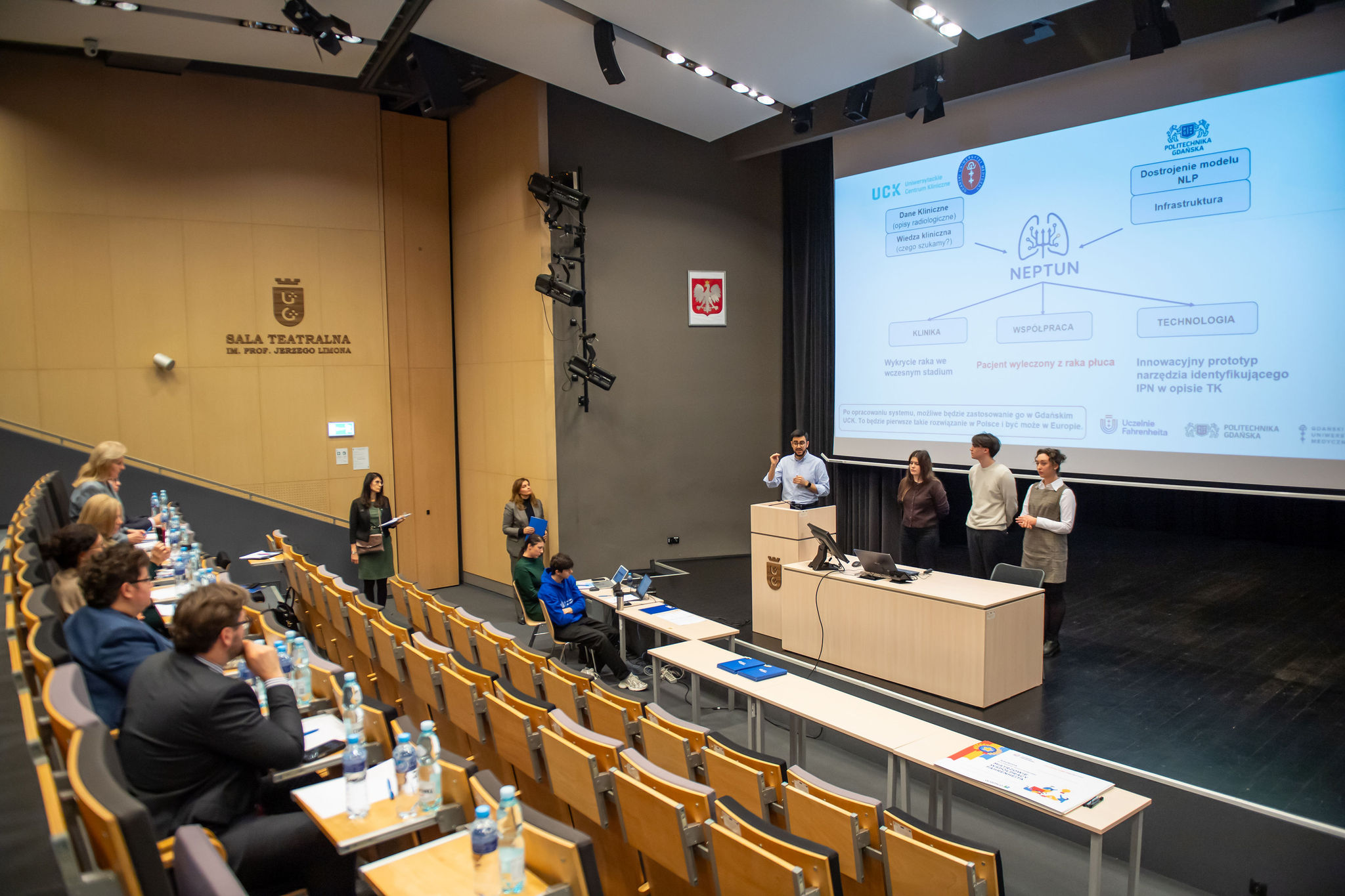
Teams that qualified for the second stage of the evaluation presented their ideas to the Competition Chapter. This year, presentations were evaluated, and only after all presentations in a given category did the Chapter make its decision and announce the verdict. The meeting took place in the Theatre Hall of the Neophilology Building at the University of Gdańsk and lasted nearly seven hours.
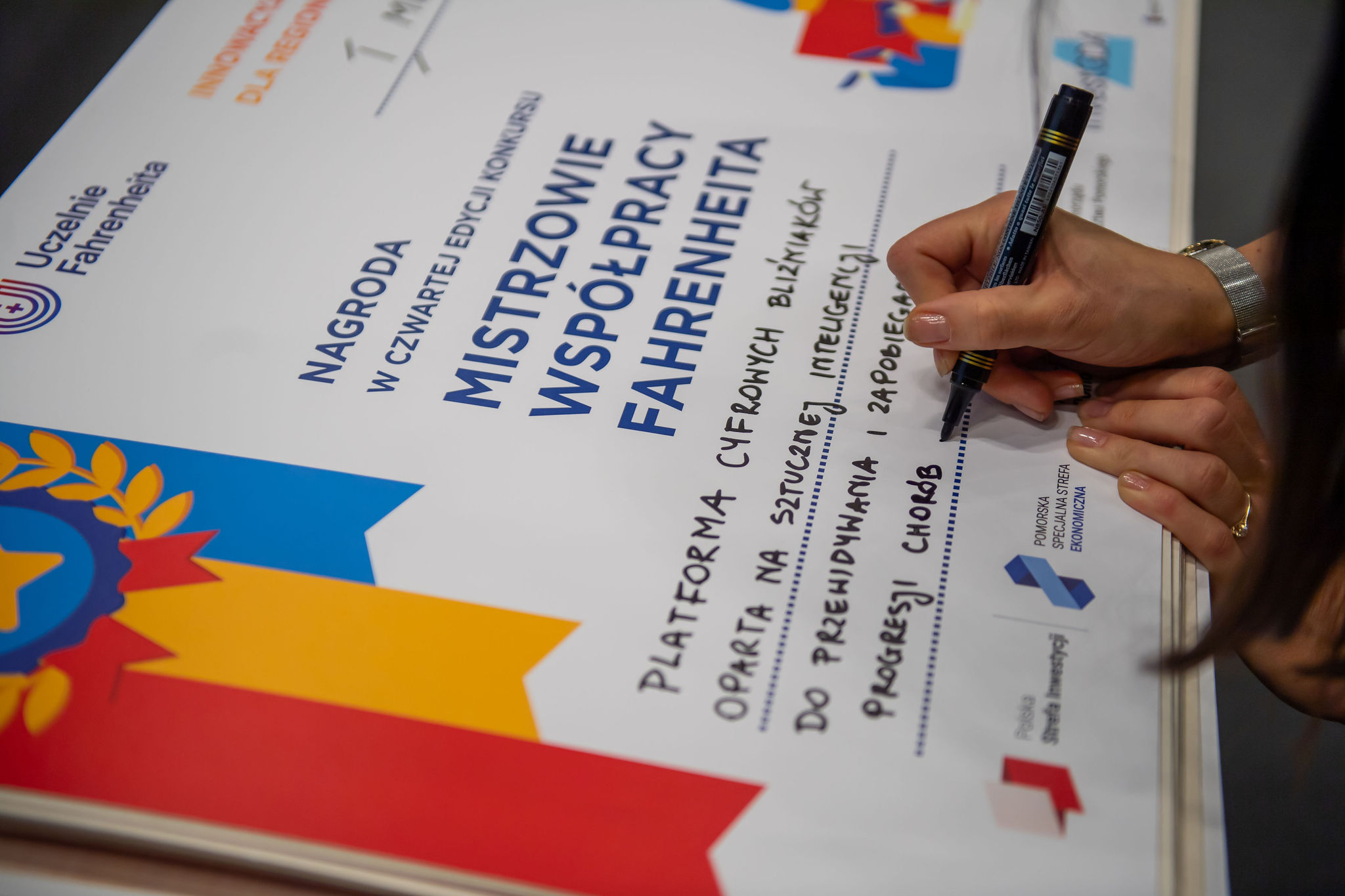
The winner of the fourth track, focused on regional solutions, was announced first. The Grand Prize (PLN 30,000) was awarded to the authors of the project: “AI-Based digital twin platform for predicting and preventing the progression of oncological diseases”, submitted by the Student Scientific Circle of AI in Medicine from the Medical University of Gdańsk, SciClub from the University of Gdańsk, as well as by Krzysztof Pastuszak, Ph.D. Eng., from the Gdańsk University of Technology. The system will enable the modelling of various patient profiles and the simulation of potential disease progression scenarios, providing a foundation for designing personalised therapies and translational research.
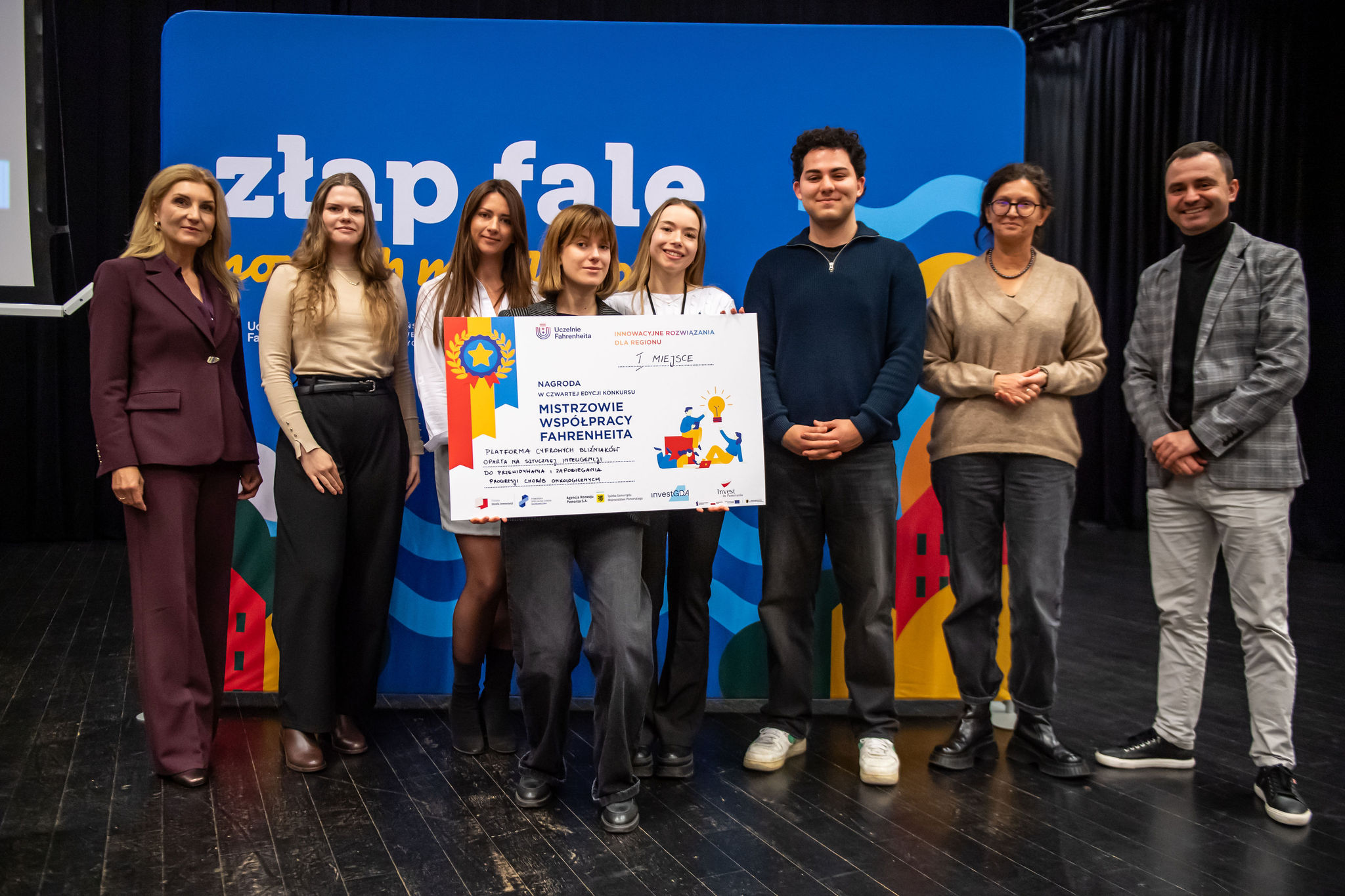
In the case of the fourth competition track, the winners were selected by: Prof. Adriana Zaleska-Medyńska, Director of the Fahrenheit Universities; Agnieszka Pawlikowska, Director of the Management Office of the Pomeranian Special Economic Zone; Maciej Matla and Natalia Kaczmarek from the Economic Analysis Team at investGDA; and Joanna Nalepa, Labour Market Specialist at Invest in Pomerania.
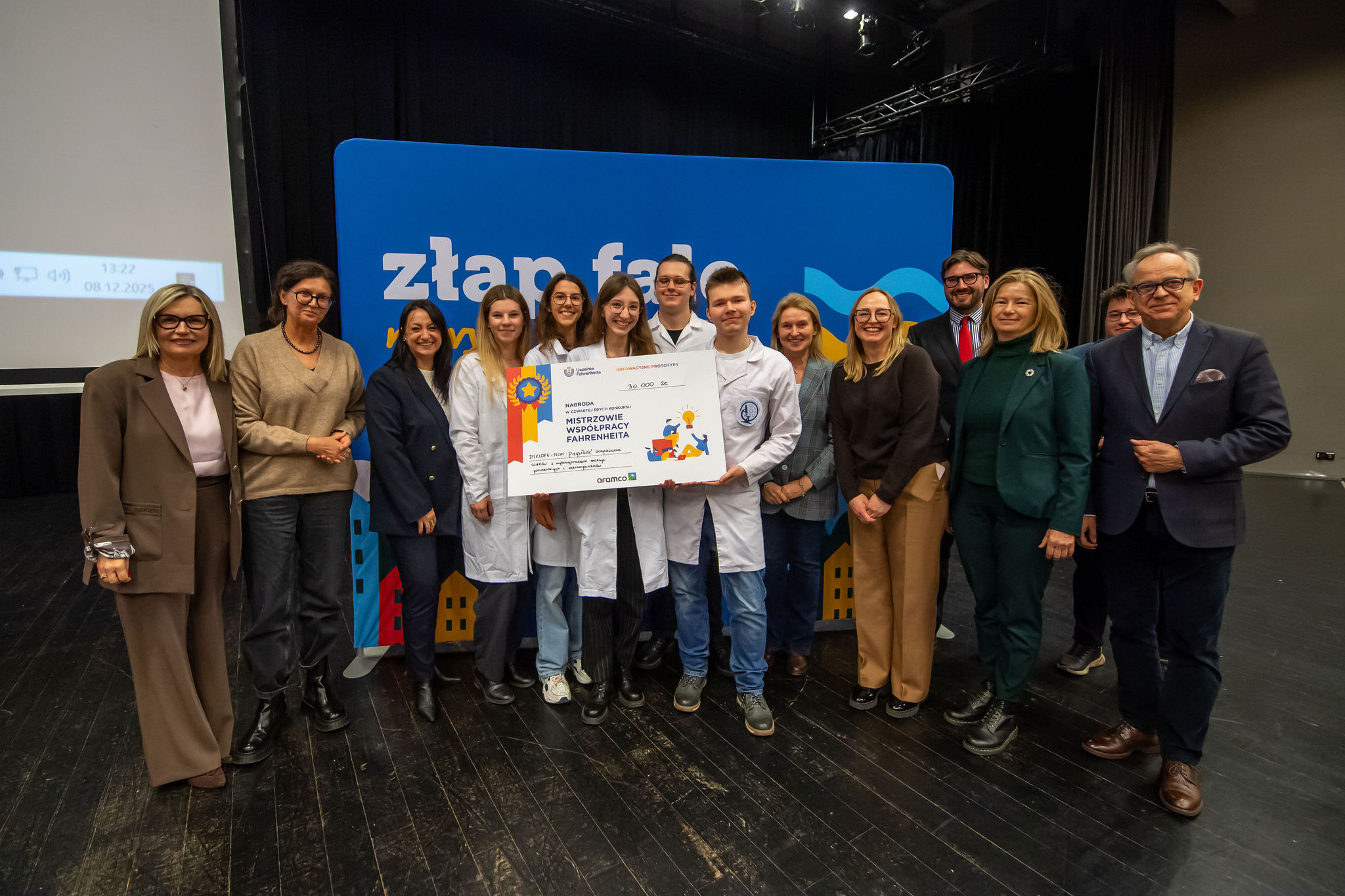
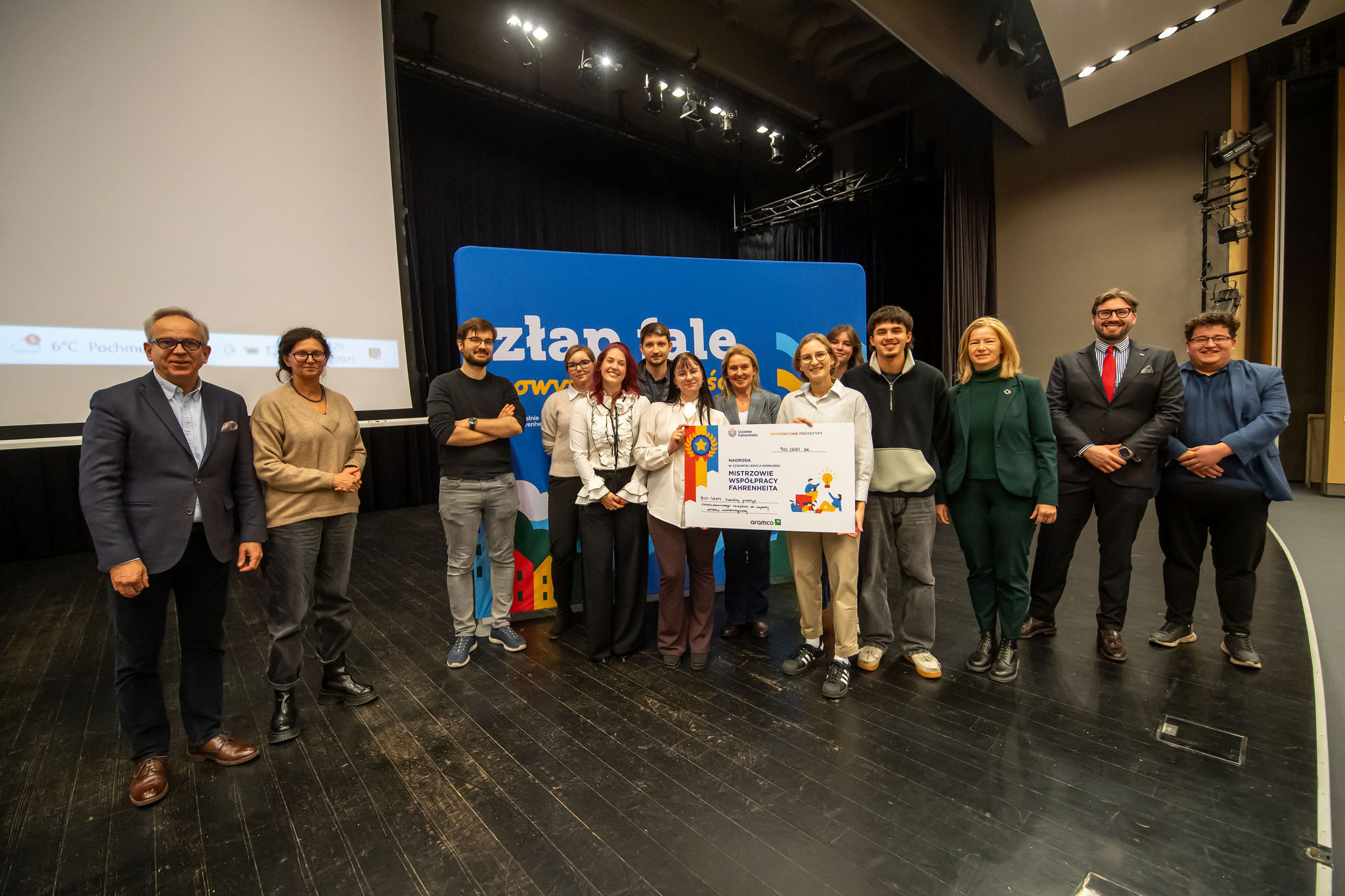
Next, the teams competing for the award in the Innovative Prototypes category, supported by Aramco Europe, presented their projects. Three project teams received funding of PLN 30,000 each:
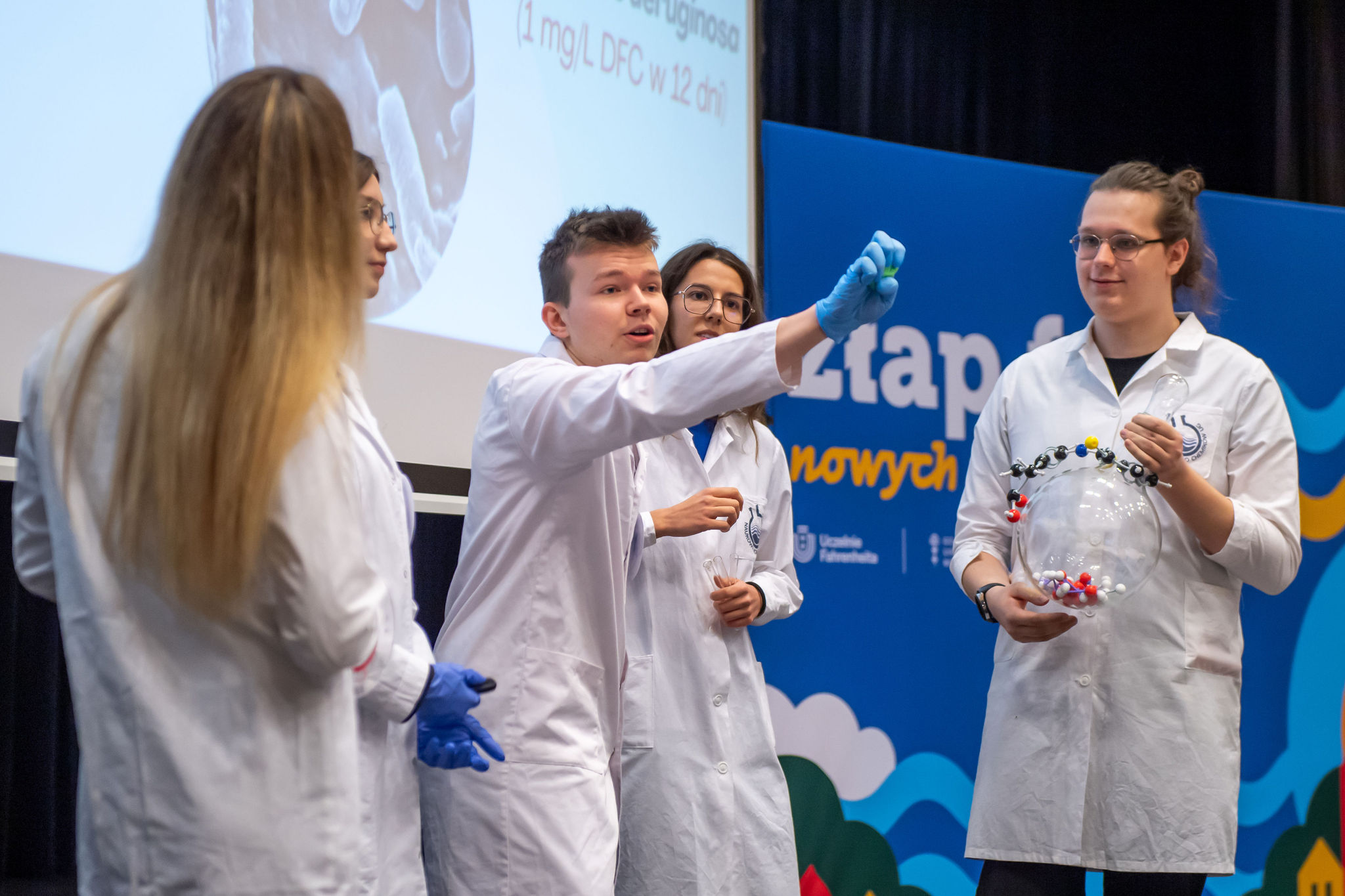
- DIKL0FE-NON – The future of wastewater treatment using polymer matrices and microorganisms, developed by three students’ research clubs: the Pharmaceutical Microbiology (MUG), “TECH-POL” Polymer Technology (GUT) and the Chemists’ Research Club of the UG. The project aims to develop an effective model for diclofenac biodegradation using biomaterials inhabited by active microorganisms, providing a foundation for the advancement of biological wastewater treatment technologies for pharmaceuticals.
- BIO-SKAN. A portable prototype of an electrochemical tool for rapid microbiological detection – a project combining two parallel tracks: (1) Engineering – designing and manufacturing a modular measurement chamber using 3D printing technology, and (2) microbiological – preparing and conducting follow-up experiments to verify whether the electrochemical signal accurately reflects the number of microbial cells. The concept and implementation are carried out by the student research clubs called RedOx from the GUT (bringing together students from the Faculty of Applied Physics and Mathematics, Faculty of Chemistry, and Faculty of Electronics, Telecommunication and Informatics) as well as the Bakterioza research club from the Faculty of Biology at the UG.
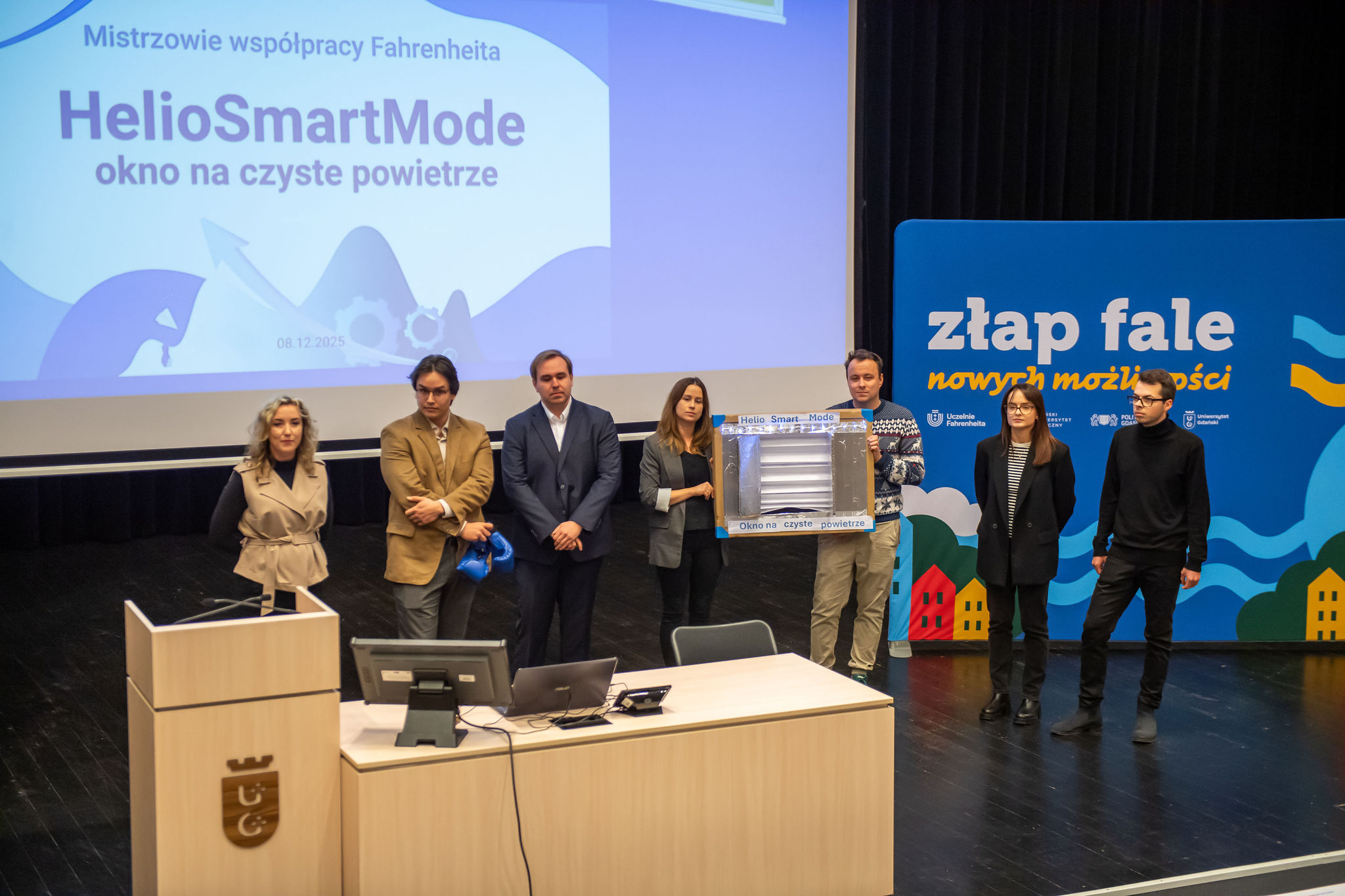
- HelioSmartMode – A window to clean air. Developed by the Chemists' Research Club at the GUT and the Chemical Business Students’ Research Club at the UG, the project will enable the design, construction and testing a modular prototype of a hybrid louvres. The system will be capable of simultaneously generating electricity, efficiently recovering and storing solar heat, and performing photocatalytic air purification.
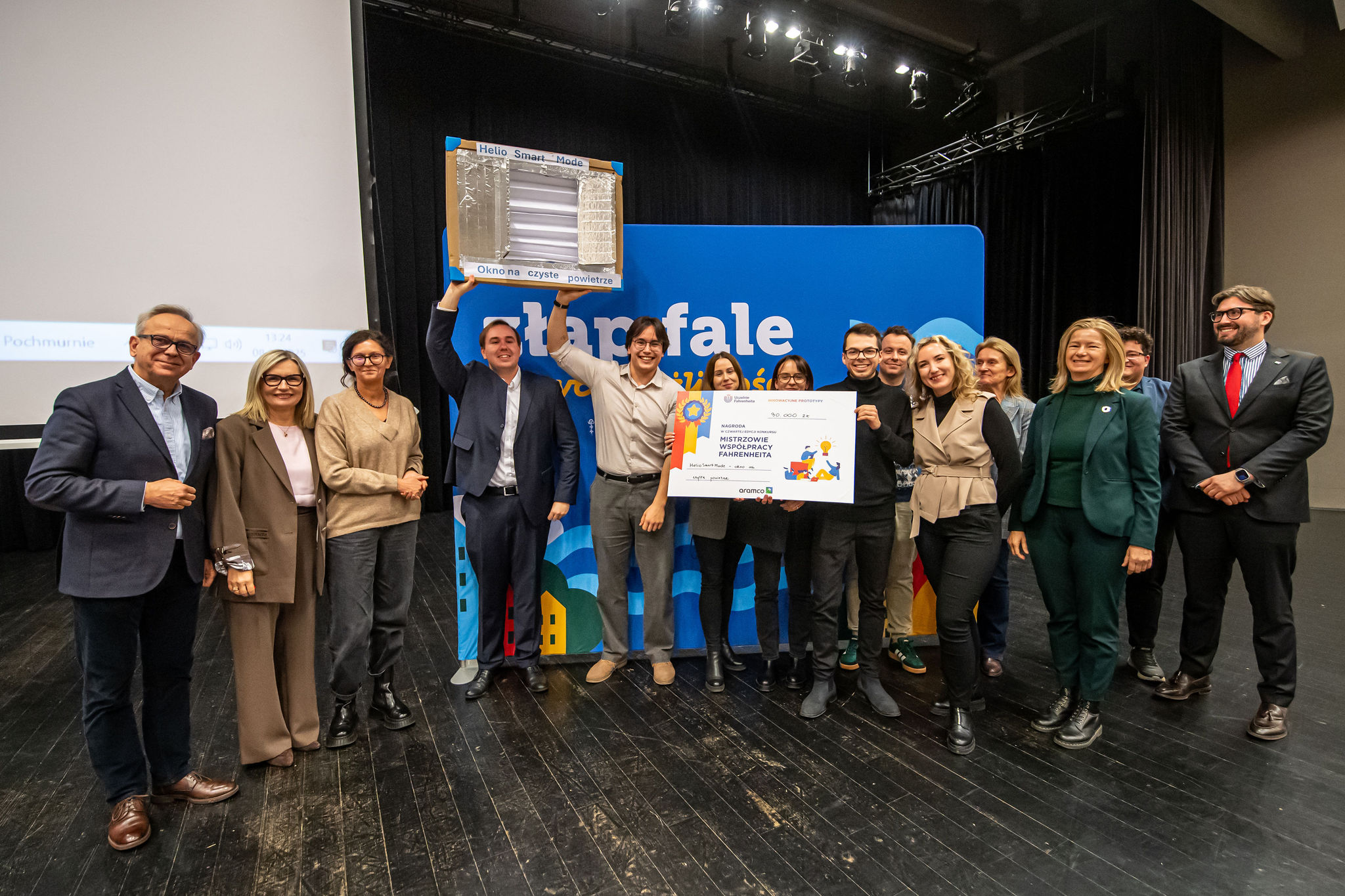
For the Innovative Prototypes category, the jury included Vice-Rectors for Student Affairs, the representatives of undergraduate and Ph.D. students’ councils from the three universities, and Maciej Szozda from Aramco Fuels Poland.
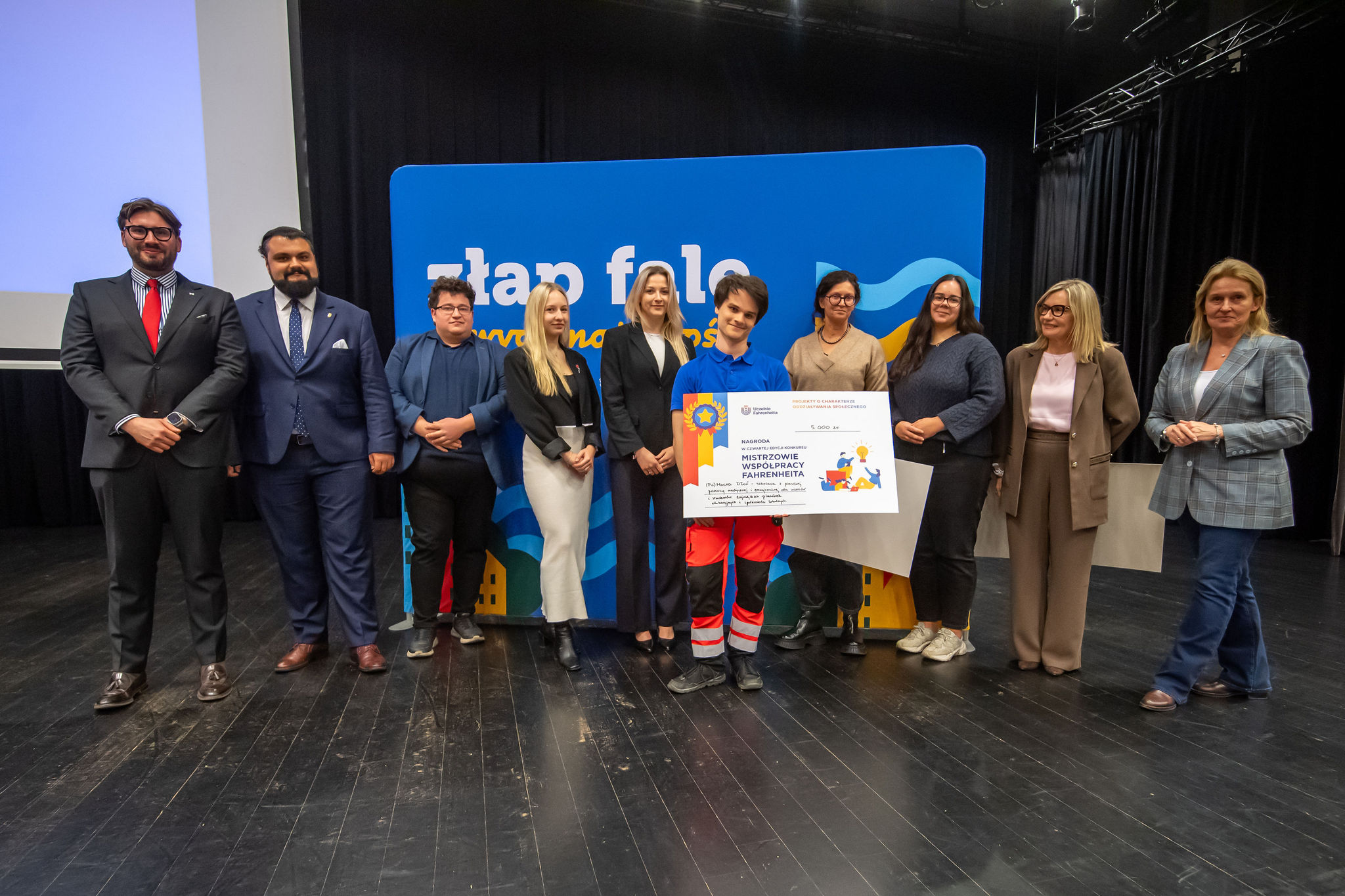
The next three projects, which will be implemented owing to FarU funding, focus on social impact. In this track, each team received PLN 5,000.
- Hand in Strength – training in medical and emotional first aid for students from educational institutions and local communities in the Tri-City area. The project was submitted by the Students’ Research Club for Emergency Nursing at the MUG and by the Experior Psychological Research Club from the UG. The workshops combine medical and emotional first aid, offering an innovative educational approach in the fields of health prevention and education.
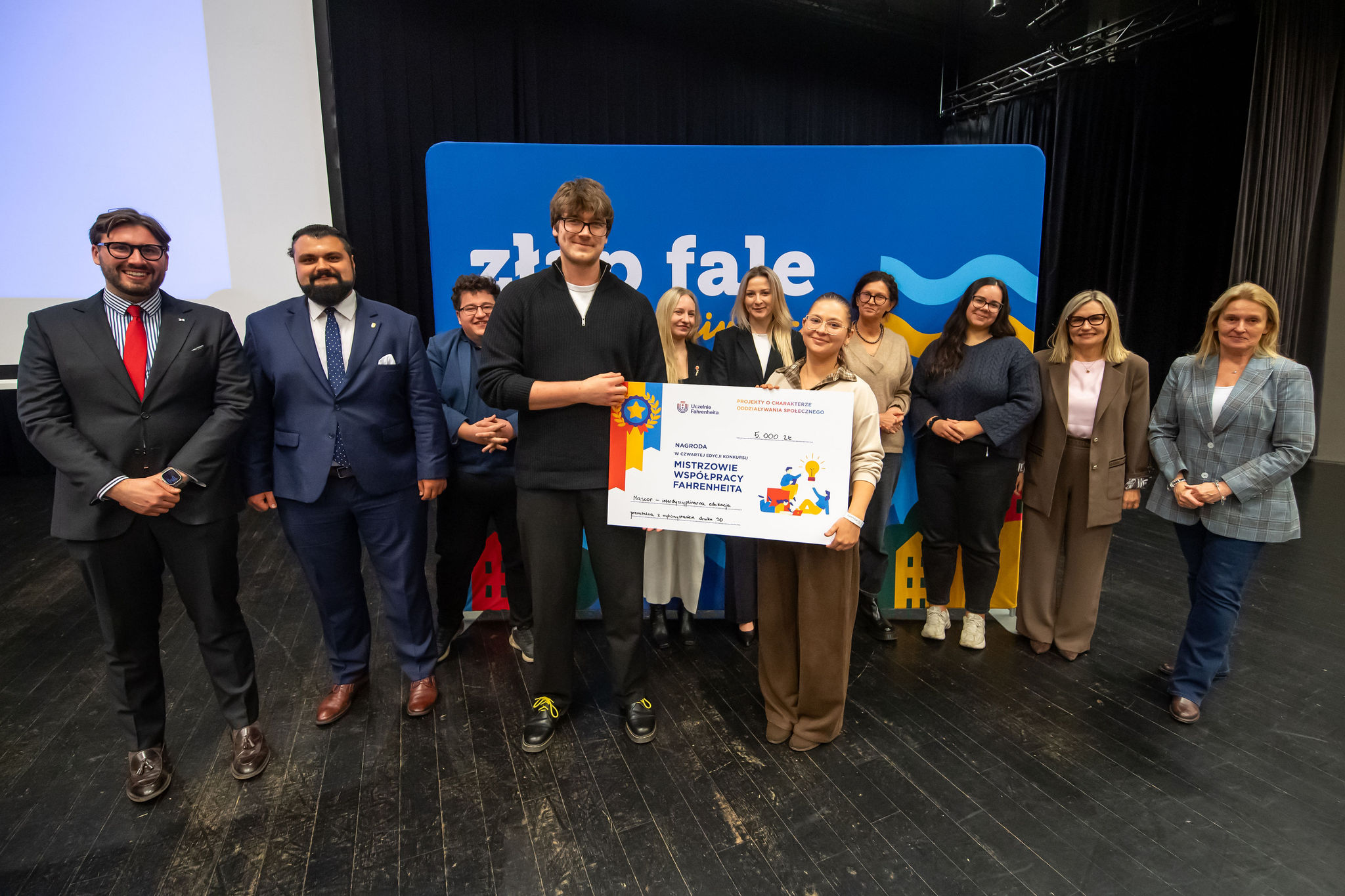
- Nascor – Interdisciplinary prenatal education using 3D printing is an idea proposed by the Future Midwives Students’ Research Club from the Faculty of Health Sciences and by ANTE PARTUM from the Faculty of Medicine at the Medical University of Gdańsk, as well as by SafeIDEA and SimLE from the Gdańsk University of Technology. The main goal of the initiative is to increase biological awareness among youth through interdisciplinary educational activities on human reproduction and development, incorporating 3D printing technology.
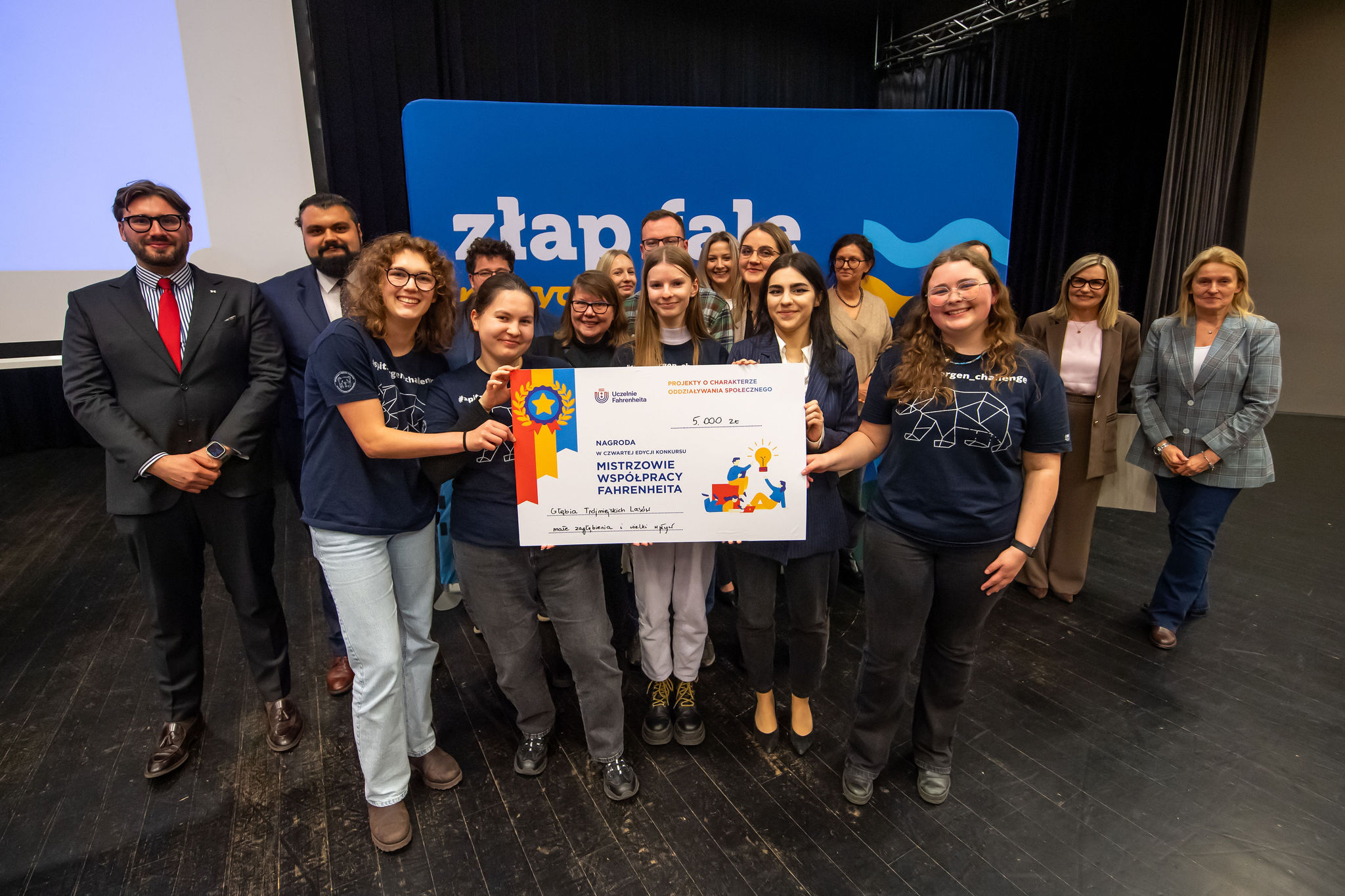
- The depth of the Tri-City forests: small depressions, big impact – a project designed to provide quantitative and qualitative spatial data on closed depressions in the Tri-City Landscape Park, combining GIS analysis with field and laboratory research. The project team includes the Public Health Students’ Research Club at the MUG, the “Microbiology in Environmental Engineering” Students’ Research Club (GUT), and the Geographers’ Students’ Research Club from the UG.
The final part of the meeting was dedicated to research and scientific projects. Funding of PLN 10,000*was awarded to each of the three teams carrying out research projects:
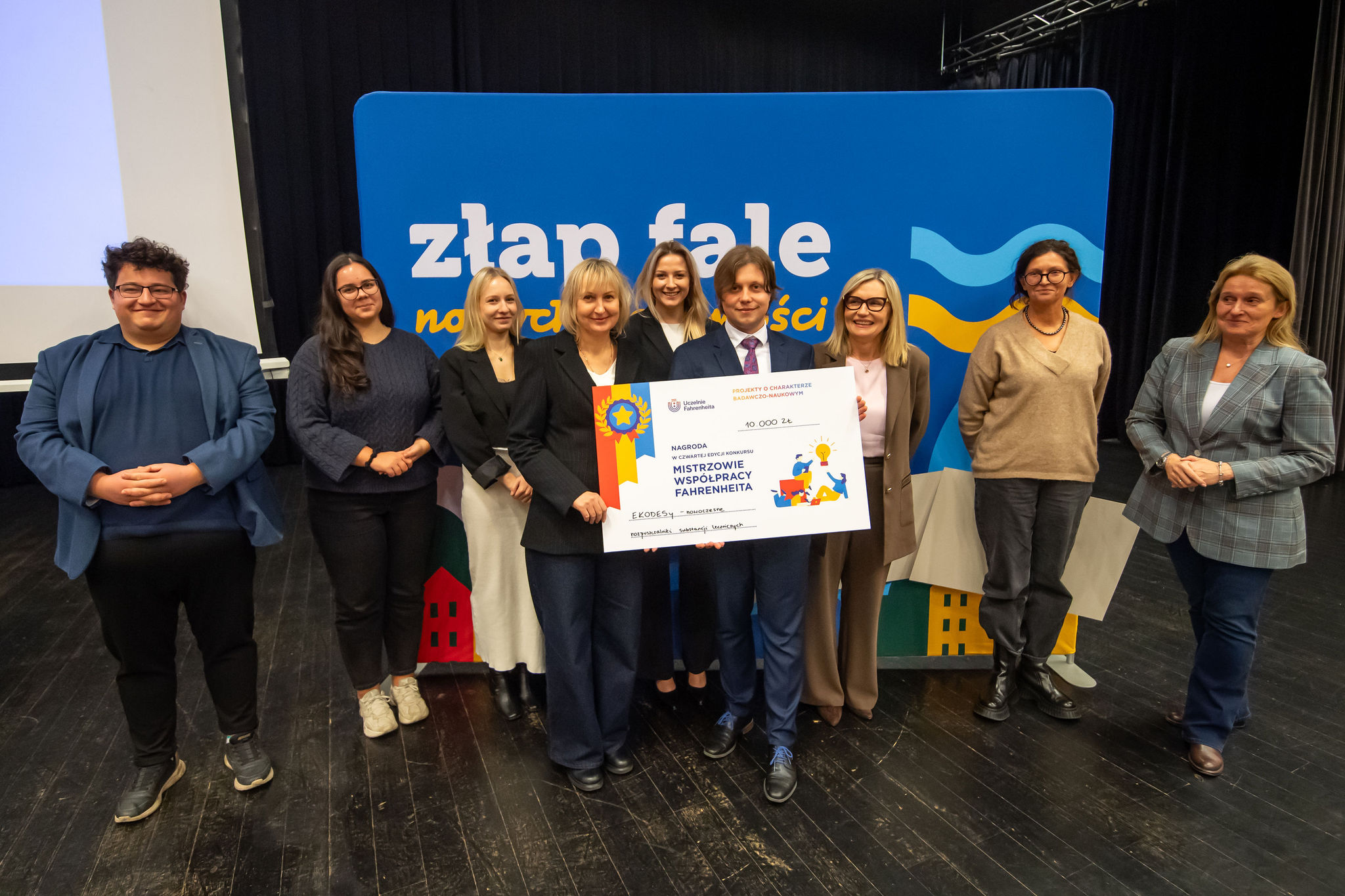
- EKODESy – Modern solvents for therapeutical substances, developed by the Students’ Research Club at the Department and Division of Physical Chemistry (MUG) and the Chemists’ Research Club of the GUT. The project aims to design (with the use of mathematical modelling) and produce modern, patient-safe solvents in the form of very eutectic liquids, and to use them to improve the solubility of azathioprine, a substance that is practically insoluble in water.
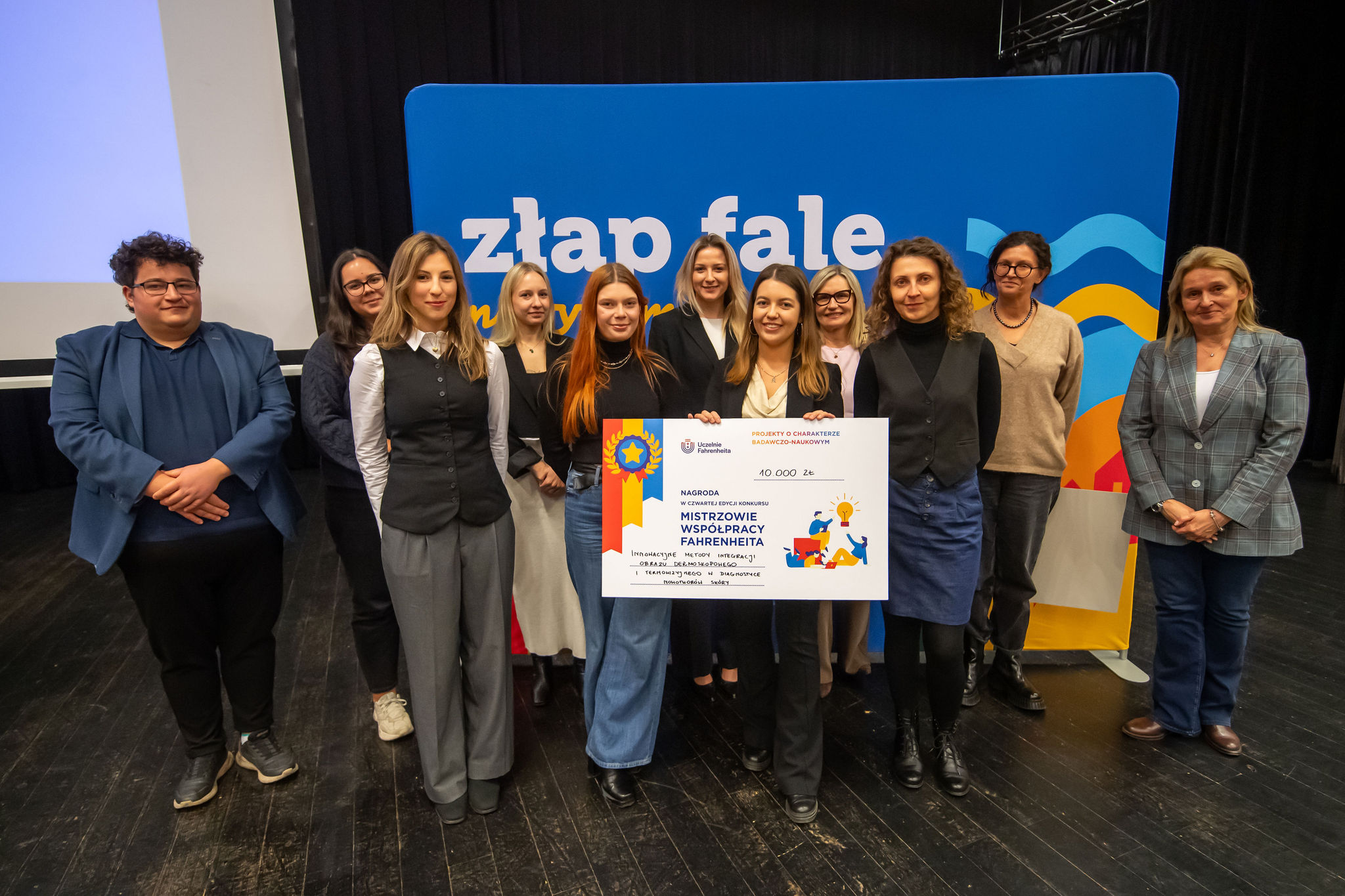
- Innovative methods for integrating dermoscopic and thermographic imaging in skin cancer diagnostics – an engineering solution combining thermographic analysis with dermoscopy, offering future implementation potential. The project was proposed by the Dermatology Students’ Research Club at the Department of Dermatology, Venereology, and Allergology of the Medical University of Gdańsk and by the MILab (Medical Intelligence Laboratory) at the Gdańsk University of Technology.
- Development of an innovative technology for stabilising hop extract in a dairy product matrix to create a probiotic functional food – the project aims to develop an innovative method for creating emulsions of hop extract (rich in valuable compounds such as flavonoids and antioxidants) in the form of a health-promoting dairy product. The authors are the Bio-Med Research Club from the Intercollegiate Faculty of Biotechnology (the MUG and UG) and the Biotechnology Students’ Research Club at the GUT.
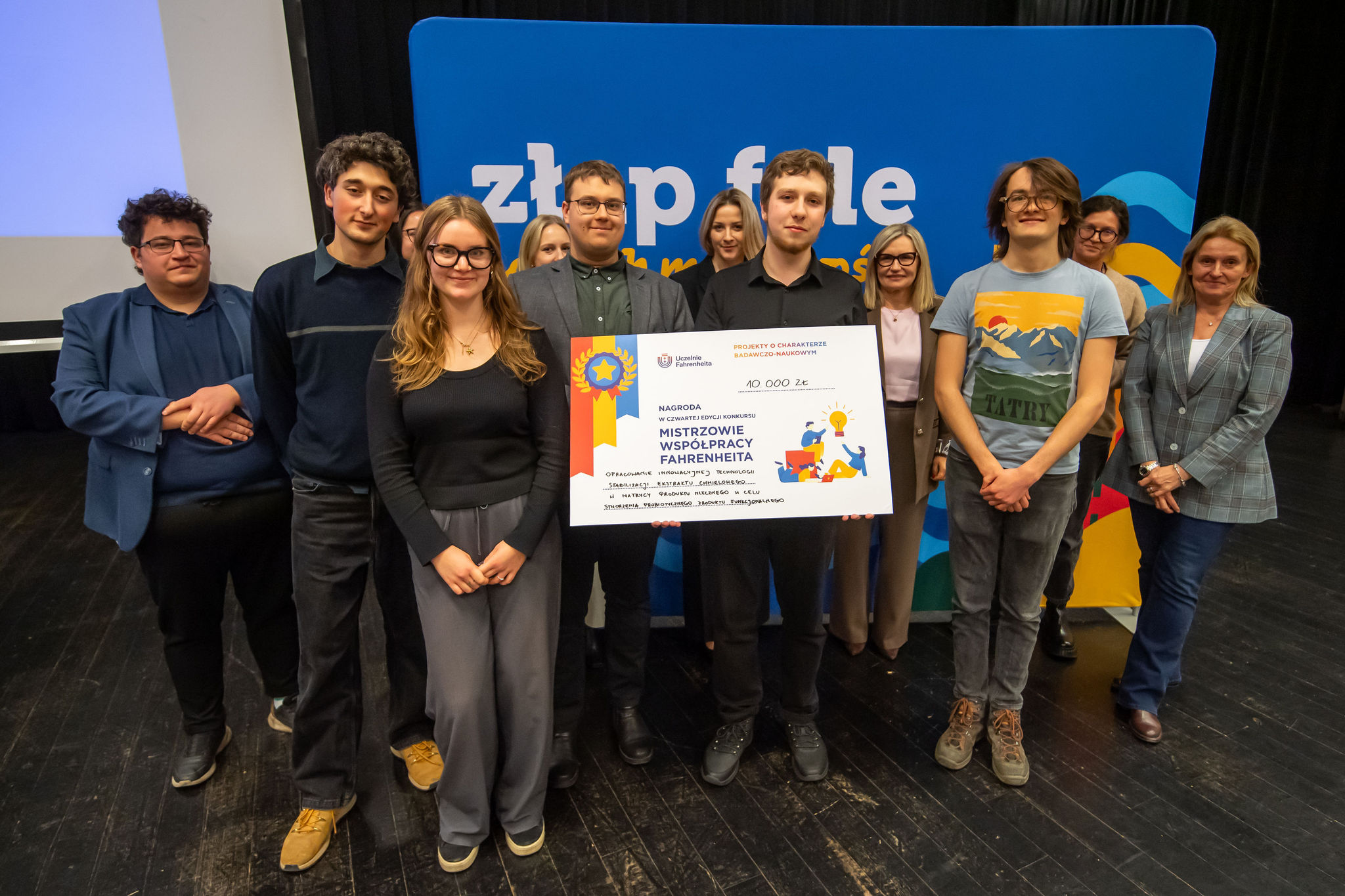
The winning teams can start activities as early as January, and they must spend the grants by 30 October 2026. Winners are also required to participate in team communication training.
2025-12-11T07:03:27Z