
About synergy and autonomy at the Fahrenheit community meeting. A report of “Quo Vadis FarU?”
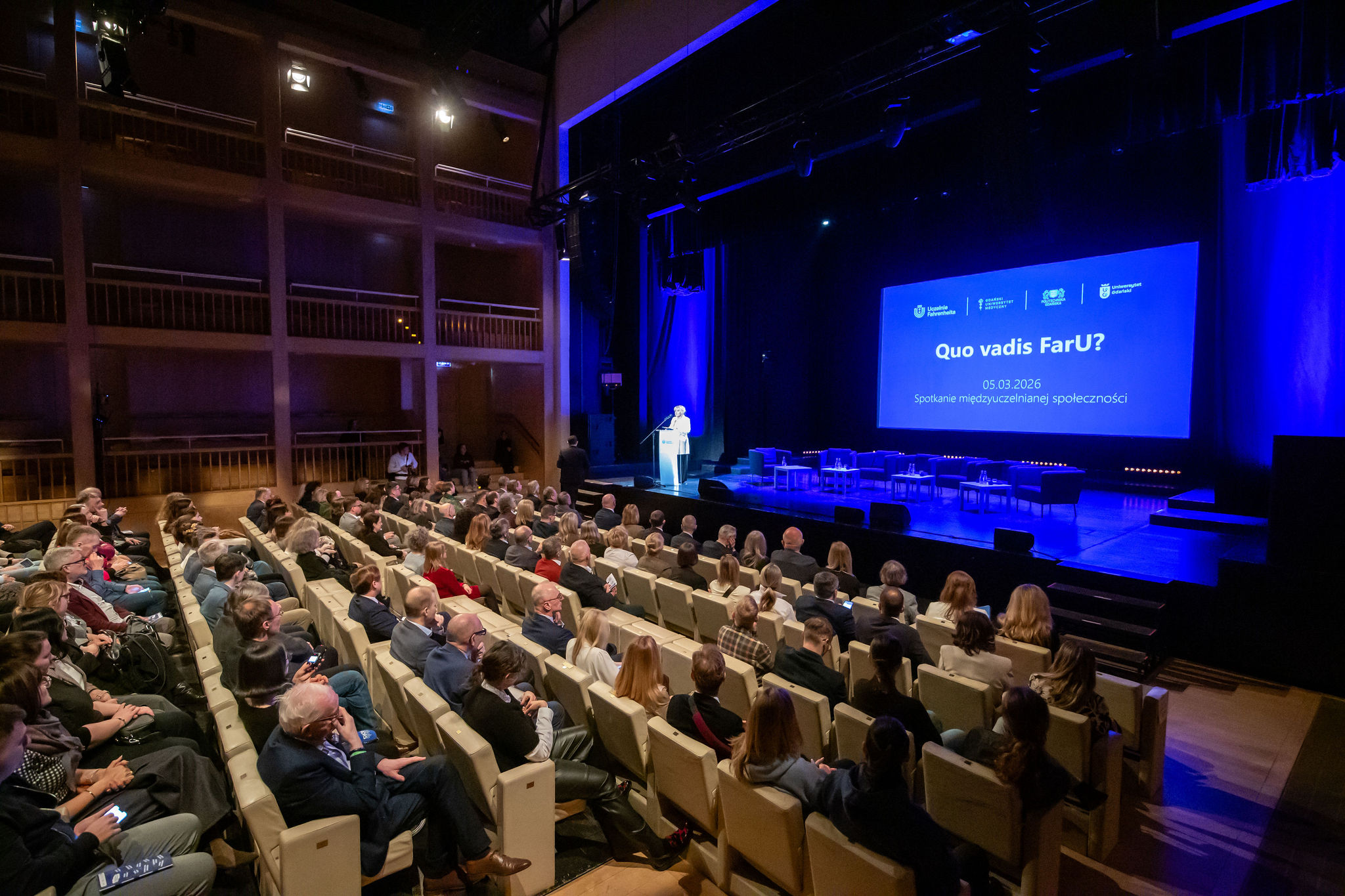
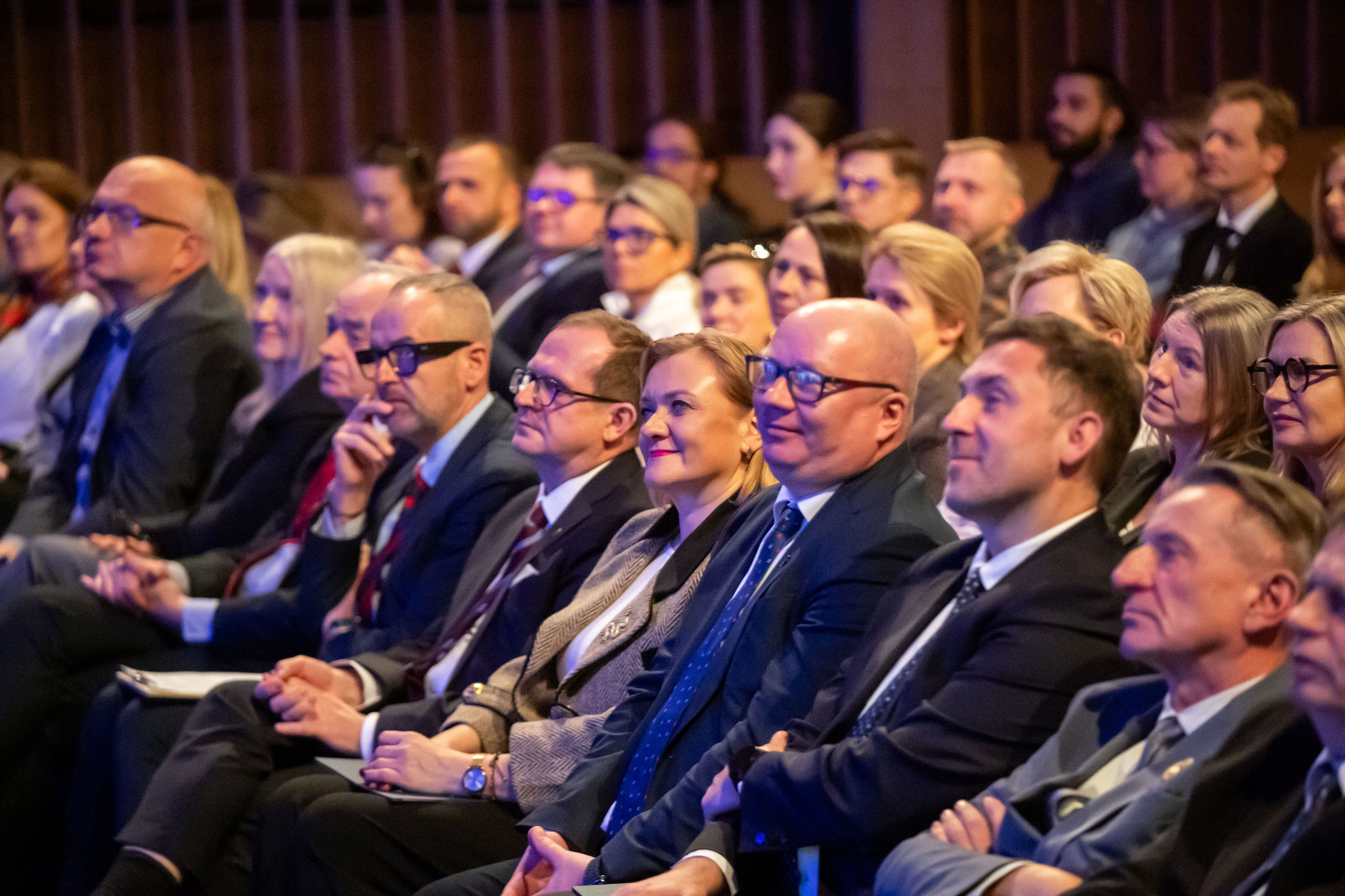
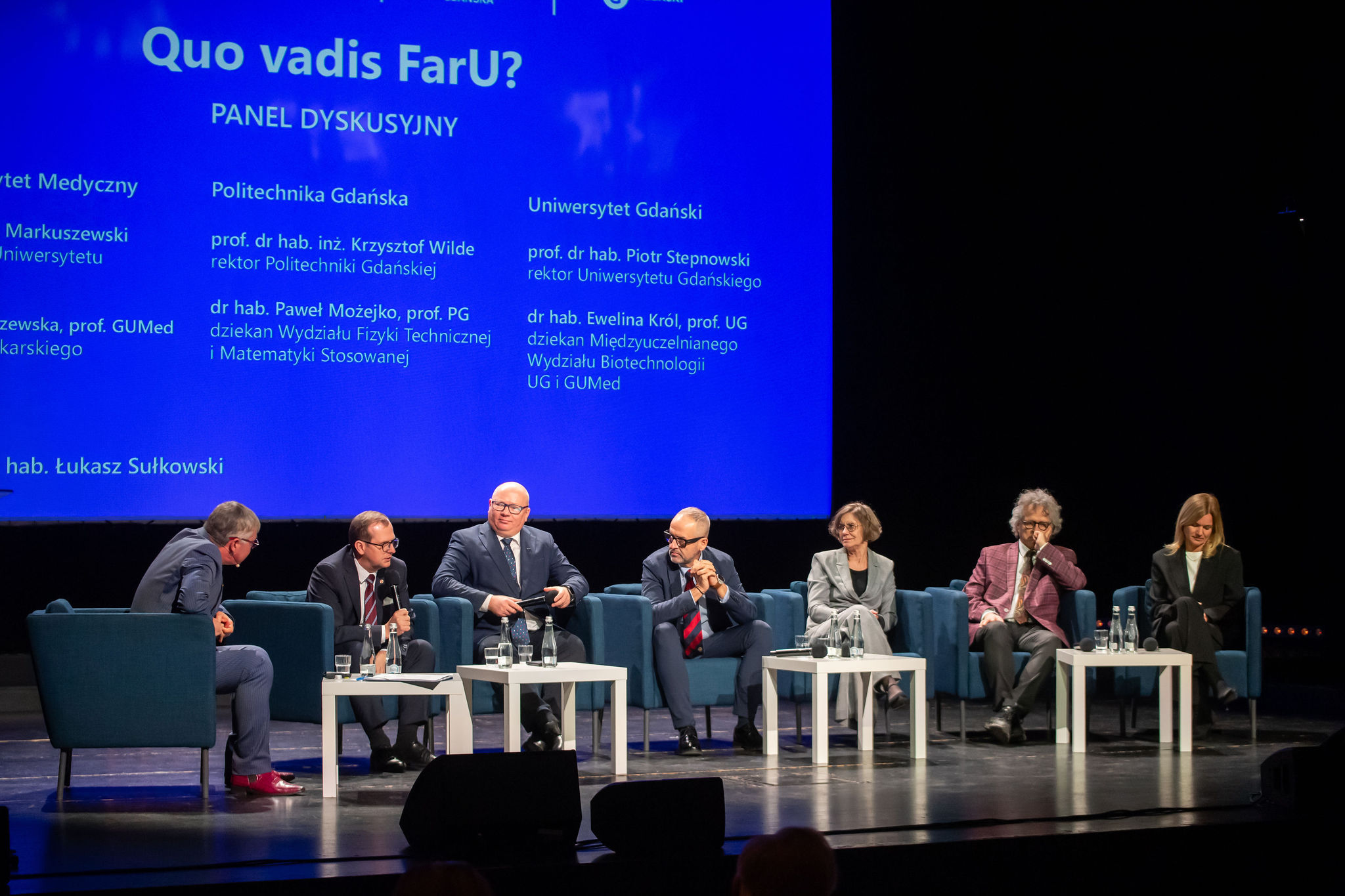
How to combine strengths and respond to emerging needs, overcome legislative and evaluation-related challenges, and retain autonomy while drawing on the benefits of synergy – these are just some of the issues facing the intercollegiate academic community. The beginning of the sixth year of activity of the Fahrenheit Universities provided a timely opportunity to address them. During the meeting held under the theme “Quo vadis FarU?”, participants voiced concerns and expectations, while also outlining prospects for the FarU's continued development. Students, academic staff, as well as representatives of the local government and strategic partners all took part in the discussion.
The meeting was held on 5 March at the Gdańsk Shakespeare Theatre and aimed to foster dialogue on the challenges and future directions of the FarU. The debate also referred to the results of a survey conducted a month earlier among members of the academic communities of the three higher education institutions: the Medical University of Gdańsk, Gdańsk University of Technology and University of Gdańsk. The discussions were accompanied by audiovisual materials summarising the achievements of the FarU to date.
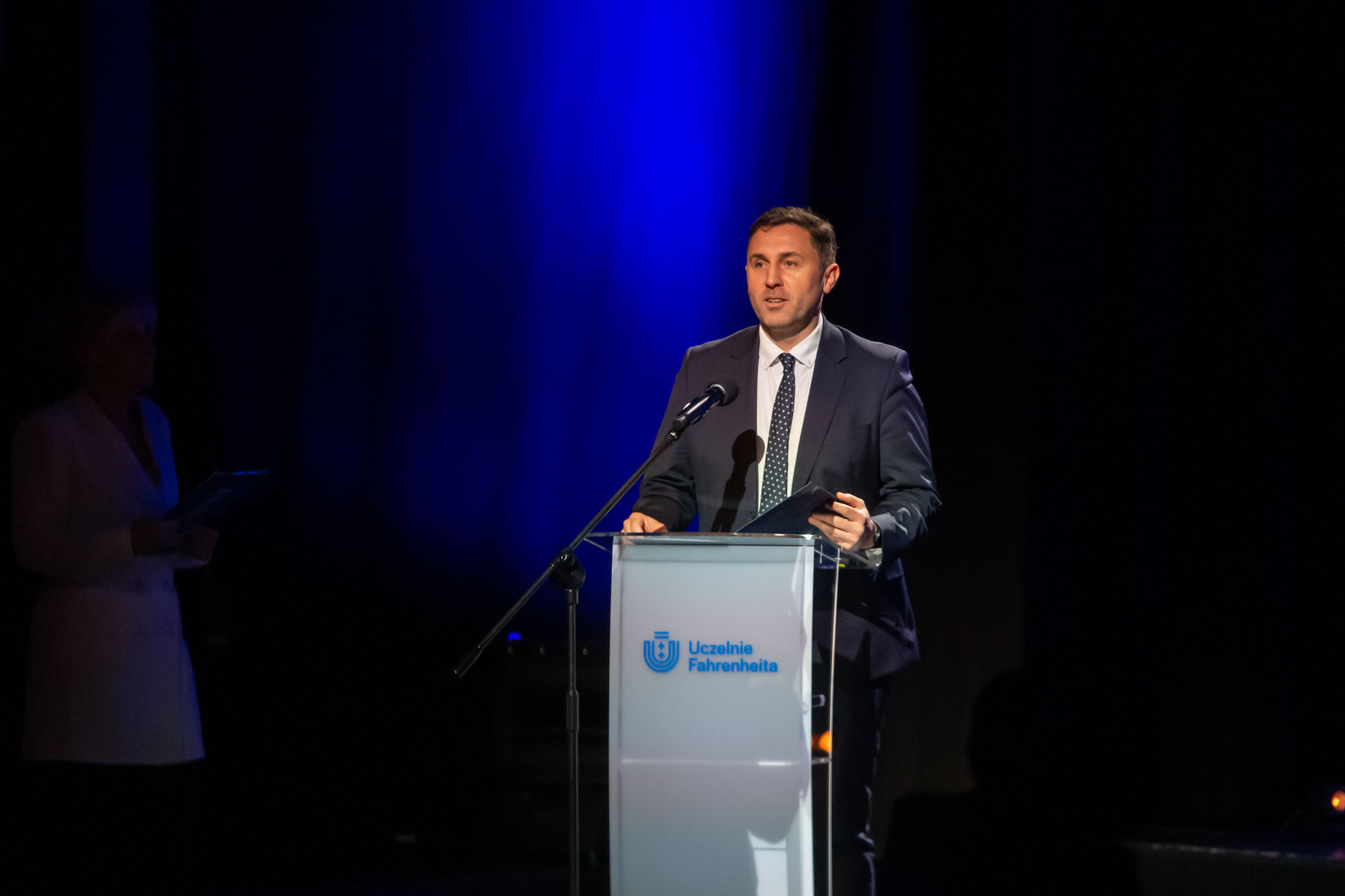
Every initiative whose implementation requires courage, cooperation and the ability to overcome obstacles ultimately depends on people – individuals who see the goal and seek solutions, and on a community – said Piotr Stepnowski, Chair of the Assembly of the Fahrenheit Universities and Rector of the University of Gdańsk – We are united by a spirit of cooperation, and I am pleased that over the past five years we have jointly developed a vision of an intercollegiate community. The pool of Fahrenheit initiatives continues to grow, while the discussion on federalisation remains vibrant, reflecting a clear need for further action. This is also confirmed by the results of the surveys we will refer to today.
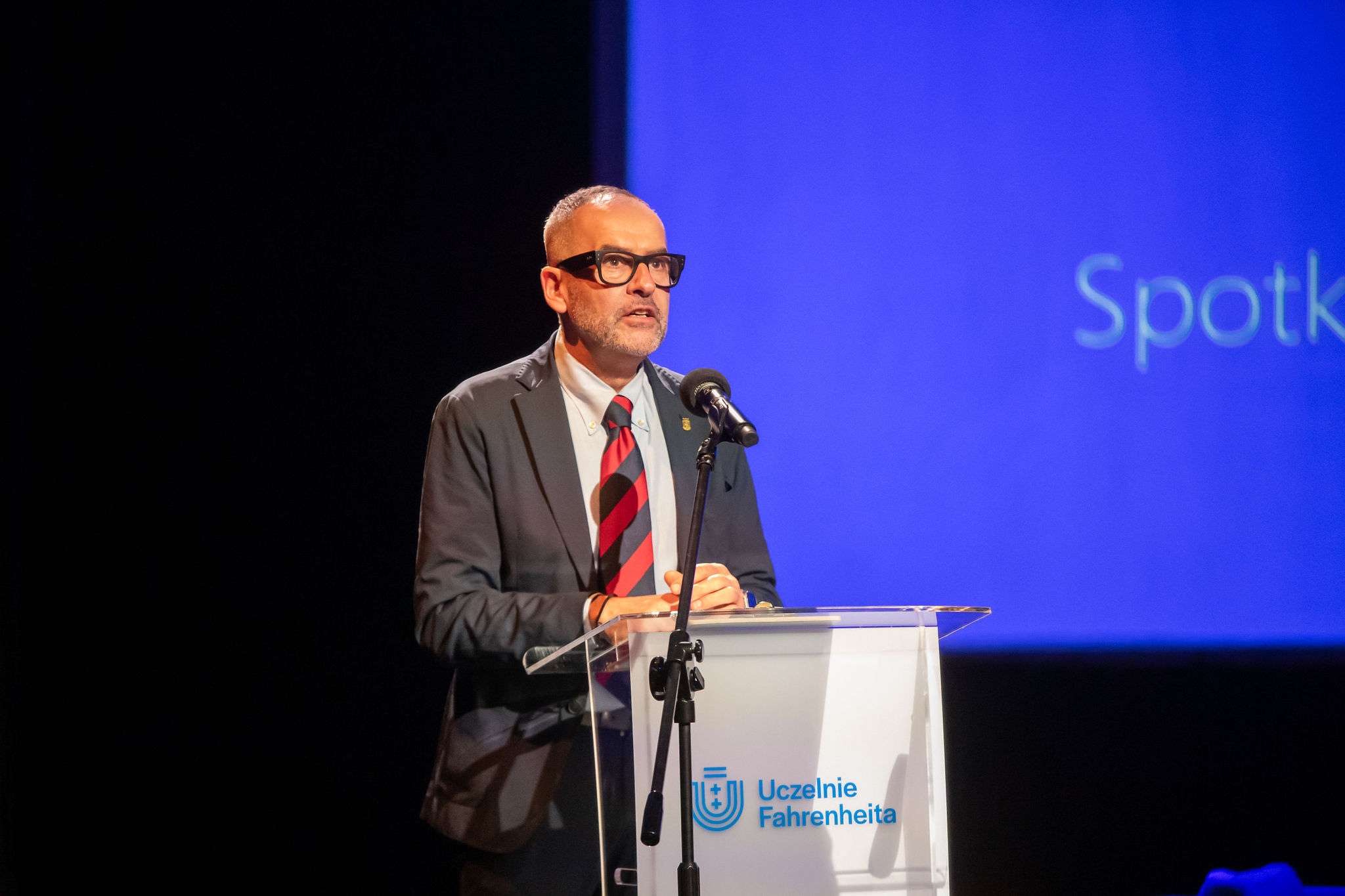
The Chair also expressed his gratitude to the partners, whose support has expanded the possibilities for developing the initiatives undertaken by the Fahrenheit Universities. Representatives of local government authorities were then invited to take the floor.
Quo vadis FarU? I believe that where there are young people, who keenly sense this new reality, they will also recognise opportunities that reconcile the development of a civilisation based on AI with humanism and respect for the world – said Anna Olkowska-Jacyno, Deputy Head of the Pomeranian Region. – I wish for all of us that there be an entire ocean of good ideas. Long live science.
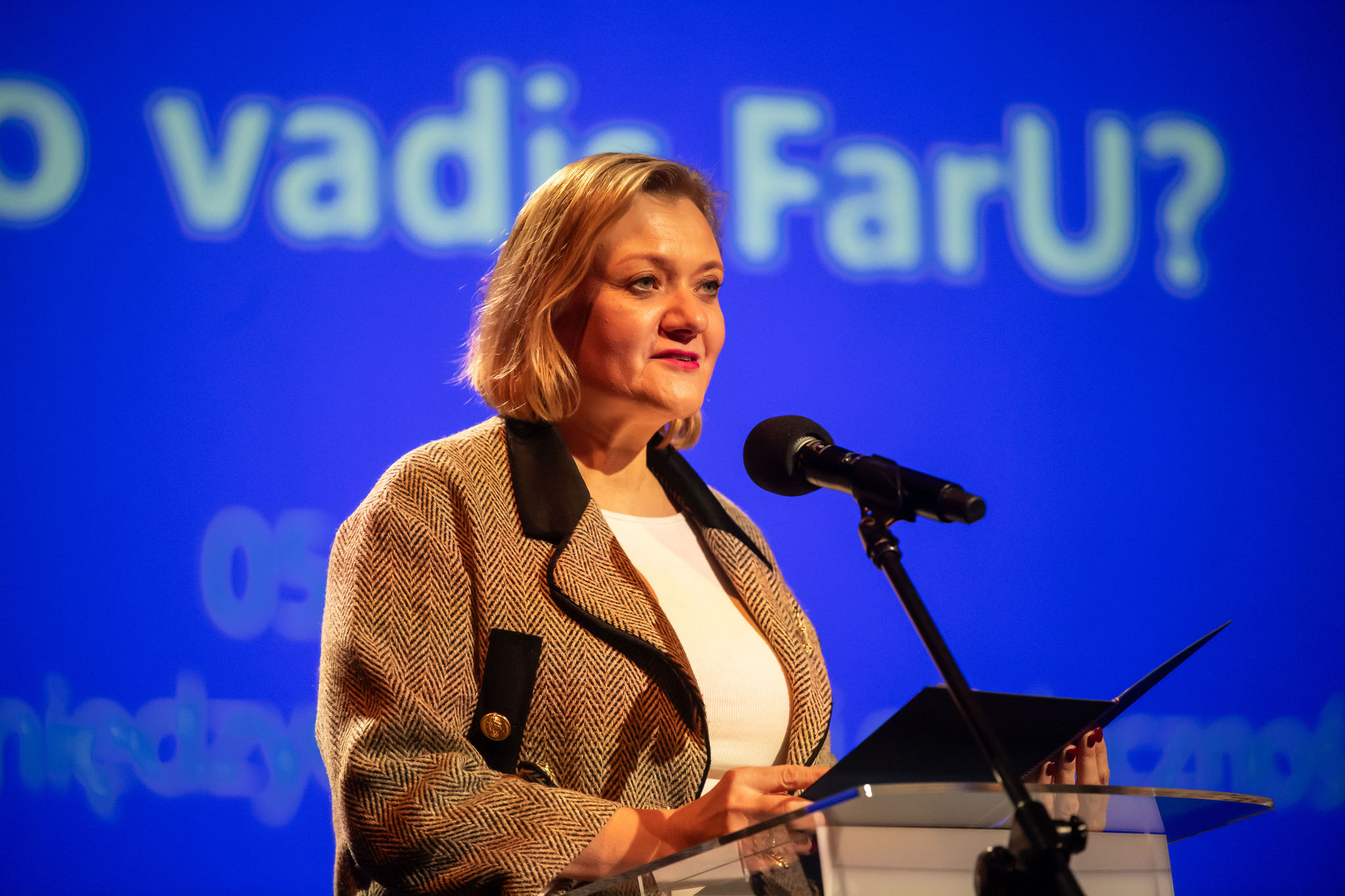
The future of Pomerania is built on knowledge. It is therefore important to strengthen the potential of the Tri-City universities. Today we need a bold decision, and I am convinced that during today’s discussion we will hear guidance on which direction to take in order to build a strong European academic centre in Pomerania – added Leszek Bonna, Vice-Governor of the Pomeranian Region.
The benefits for the region stemming from the joint creation of an interdisciplinary academic centre were also clearly emphasised by the Deputy Mayor of Gdańsk responsible for mobility and security.
The federation is not only an idea that brings academic communities closer together; it also strengthens the position of Gdańsk’s higher education institutions both nationally and across Europe. Through the synergy of resources, the integration of research teams and the sharing of experience, a potential is being created that no single university could achieve on its own. From the perspective of Gdańsk and the wider metropolitan area, this project carries strategic importance. Strong higher education institutions also mean a strong economy, one built above all on knowledge. Through the federation we will jointly build an ecosystem capable of attracting talented students, researchers and investors. That is the future – emphasised Piotr Borawski, Deputy Mayor of Gdańsk.
The meeting also provided an opportunity to announce a new grant programme launched by the Fahrenheit Universities and InvestGDA, aimed at fostering a lasting development ecosystem that will benefit not only the universities themselves.
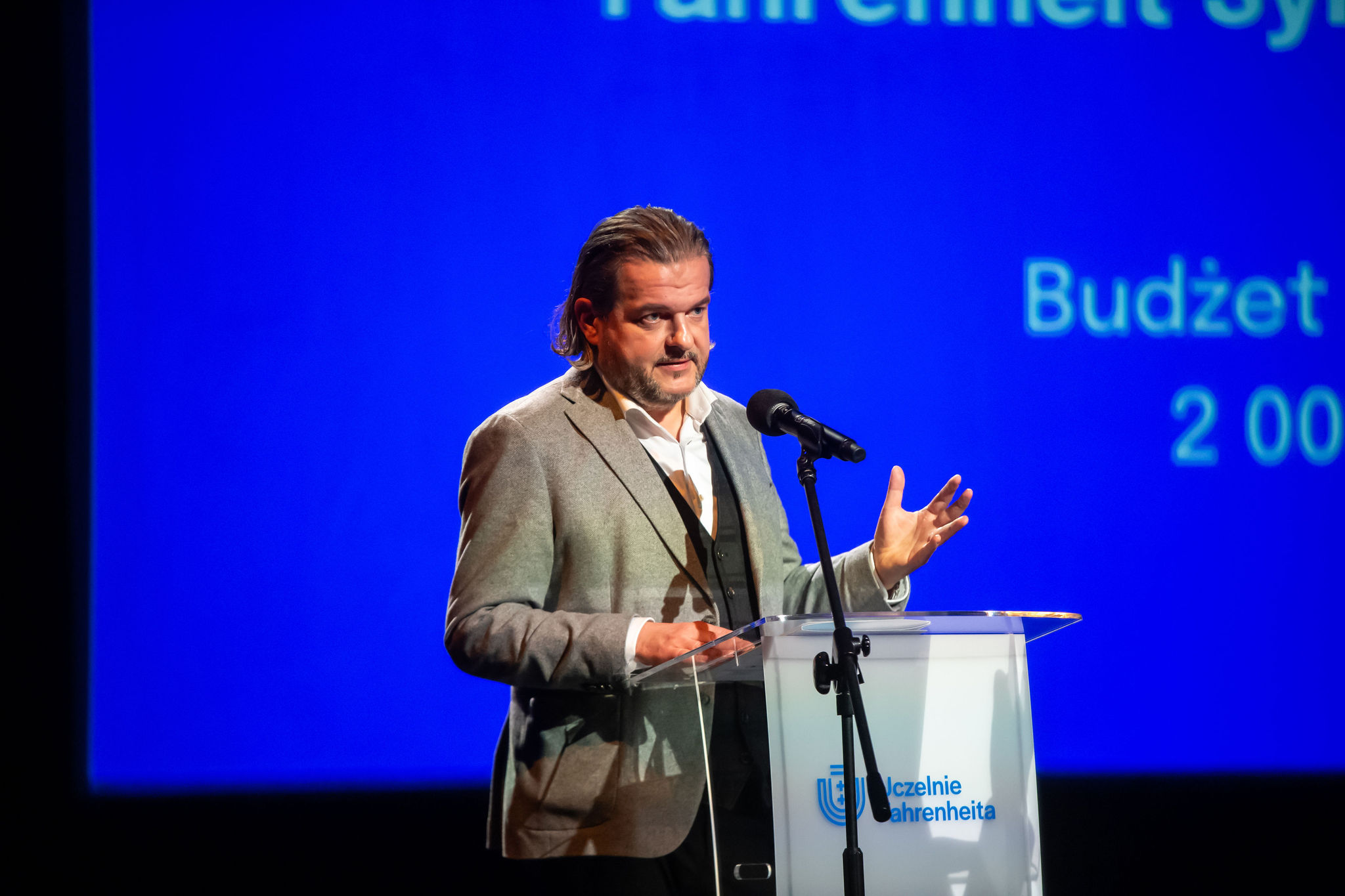
The programme has been designed to provide financial support for projects carried out jointly by research teams from the three partner universities. The programme focuses on interdisciplinary projects based on synergy and aligned with smart specialisations – initiatives that advance science while also strengthening innovation and the economy, and enabling the practical application of knowledge in Pomerania. This is a partnership-based, responsible and forward-looking model that builds a lasting ecosystem of cooperation between different communities – explained Paweł Orłowski, President of the Gdańsk Economic Development Agency.
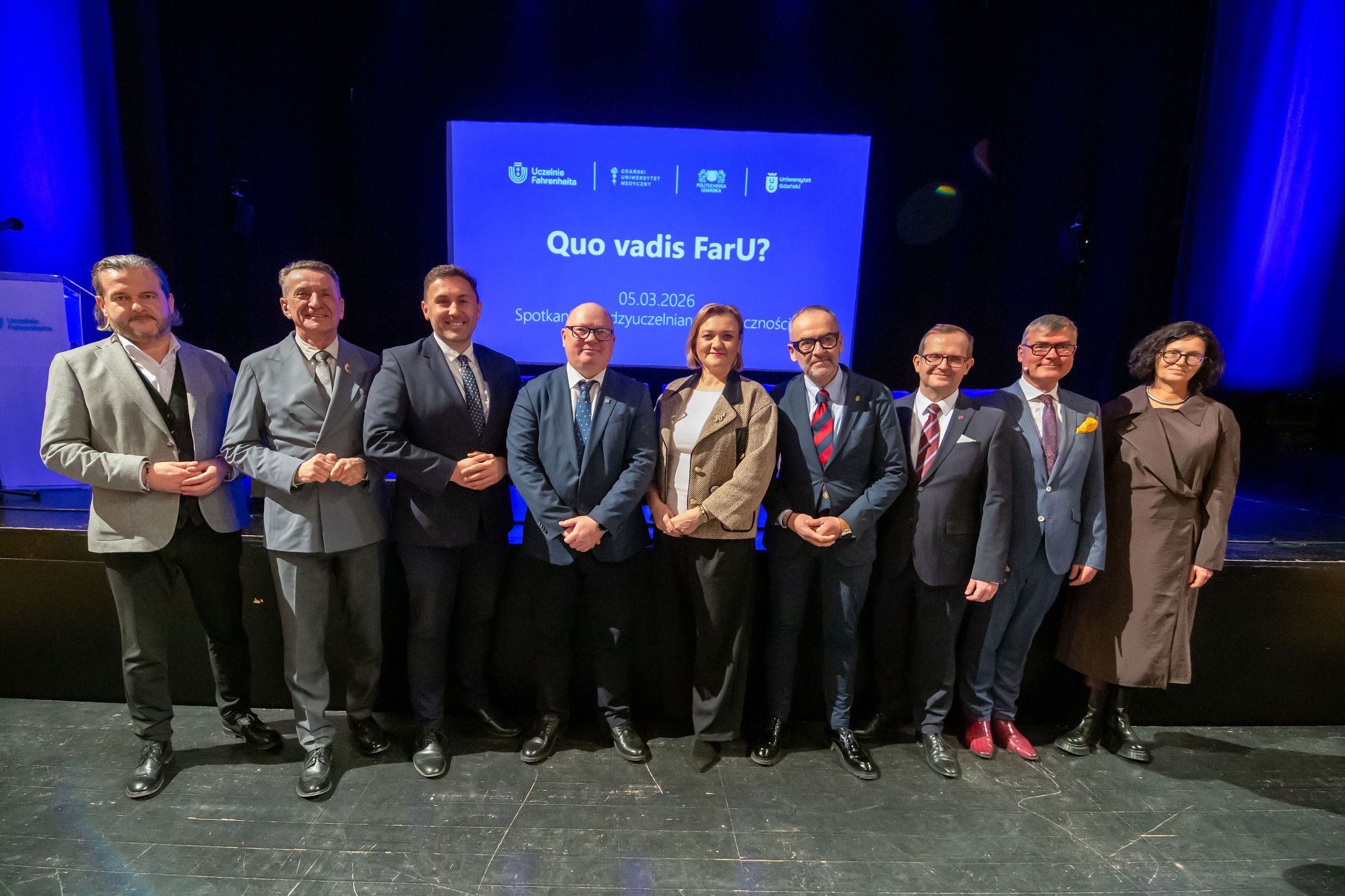
A broader discussion was preceded by a presentation summarising the results of a survey conducted among members of the academic communities of the MUG, Gdańsk Tech and UG.
>> Watch the recording of the live stream and become familiar with survey results
The numerical data, categories of concerns expressed in open-ended responses and the key conclusions were presented by Prof. Łukasz Sułkowski, a professor of economic sciences and the humanities, and author or co-author of more than 300 scientific publications in the fields of management and organisation theory, including the book titled “Fuzje uczelni. Czy w szaleństwie jest metoda? (“University Mergers: Is There a Method in the Madness?”).
I would like to congratulate you, as you are pioneers when it comes to strategic consolidation in Poland. These processes are progressing very slowly in the country. I observe them across six metropolitan areas, and you are the only one that has reached such an advanced stage in implementing this project – emphasised Prof. Łukasz Sułkowski.
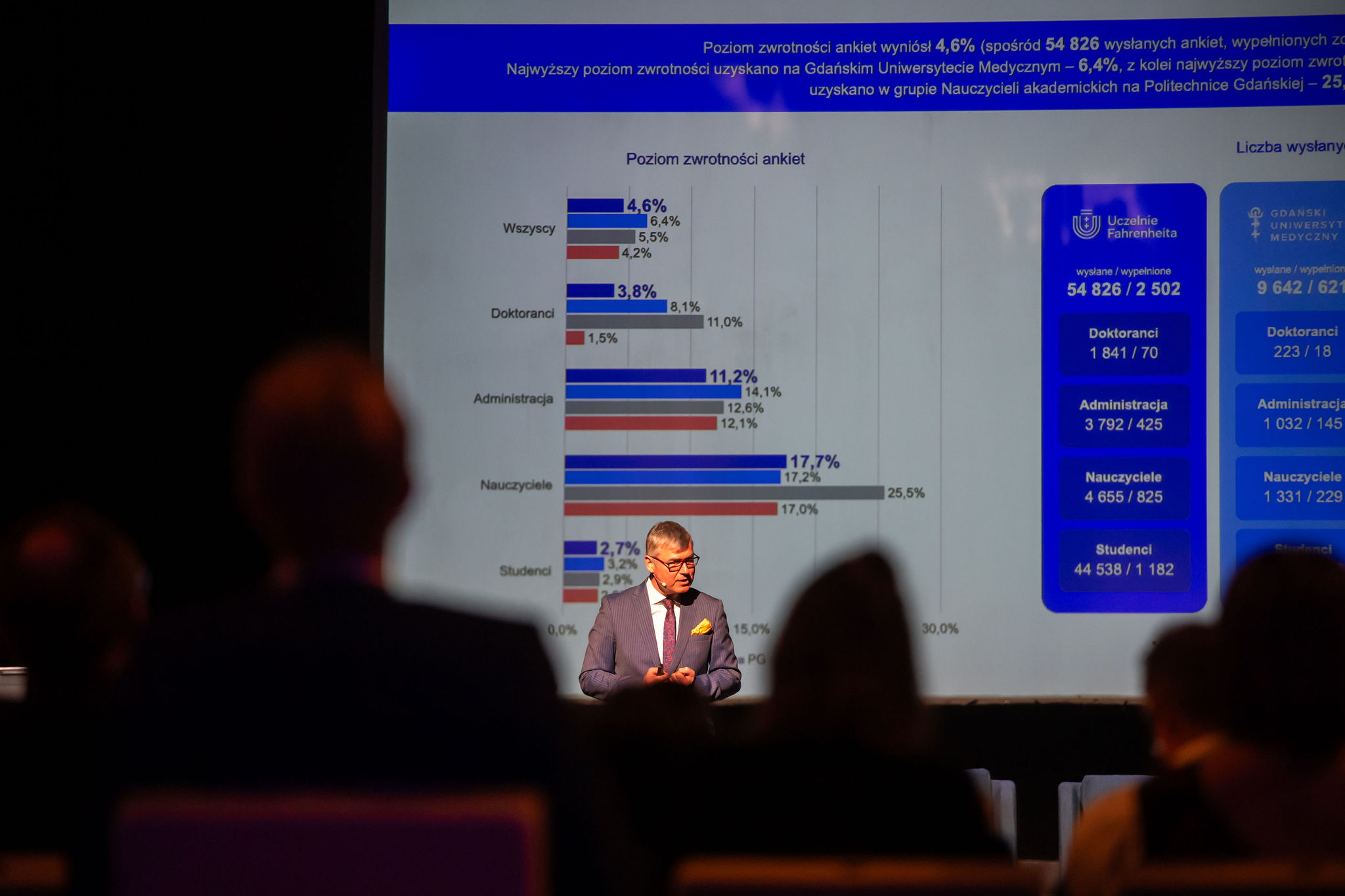
Professor Sułkowski also moderated the panel discussions involving representatives of various academic groups.
Community, not just a brand
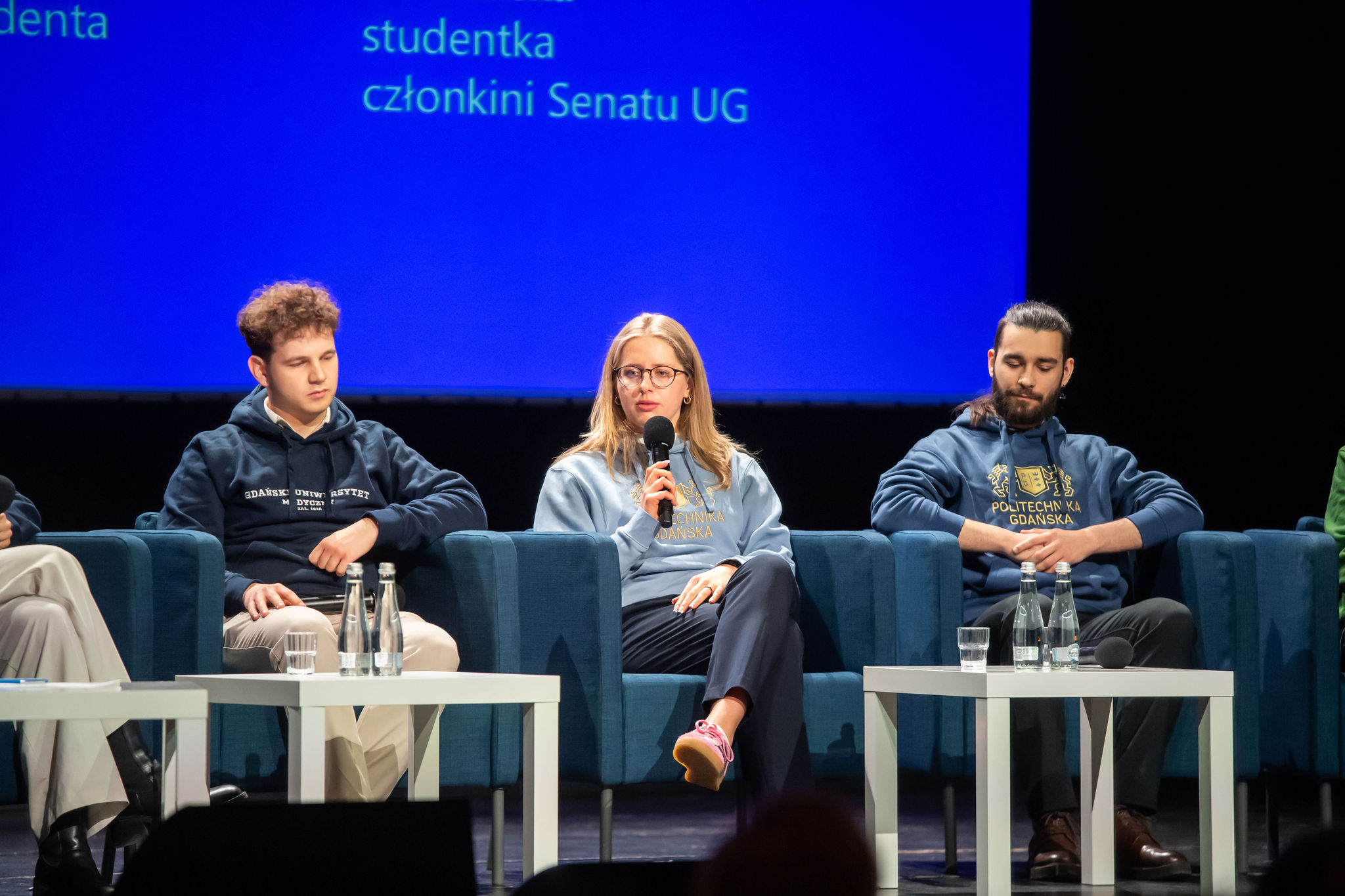
In the first panel, undergraduate, graduate and Ph.D. students pointed to initiatives of the Fahrenheit Universities that support intercollegiate projects and contribute to strengthening cooperation.
Jakub Idzik, Student Rights Ombudsman, Gdańsk Tech: A very good example supporting integration is the FarU Quality Days, which create an opportunity to discuss directions for the development of education Our areas of focus differ, and this space for exchanging experiences and examples allows us to find inspiration and benefit from good practices.
Mateusz Baluk, a Ph.D. student of chemical sciences, UG: The FarU has become a catalyst for cooperation. One example is the annual Fahrenheit Champions of Cooperation competition, through which undergraduate, graduate and Ph.D. students can obtain funding for intercollegiate projects. It builds this cooperation from the ground up.
Students also emphasised the need to involve them more directly in the federalisation process, to develop more advanced communication, and to highlight the home universities to an equal extent. A view was also voiced questioning the use of the term “brand” in reference to FarU, suggesting instead that the emphasis should be placed on the idea of a community.
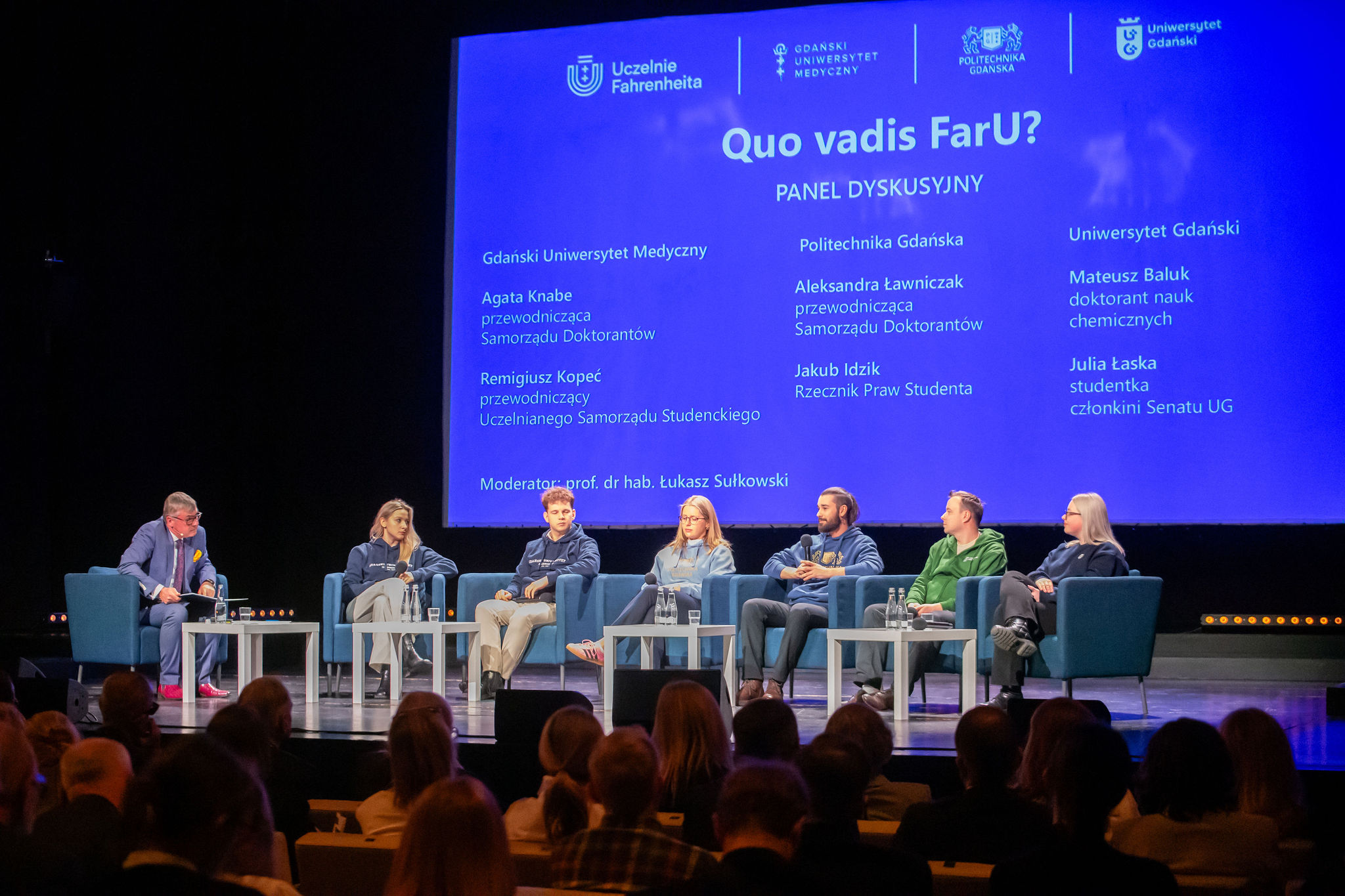
Remigiusz Kopeć, Chair of the Student Council, MUG: I am very concerned about the proportion of respondents – students – who declare that they have little knowledge of the Fahrenheit Universities. There is clearly a great deal of work to be done so that students can truly become part of this process.
Aleksandra Ławniczak, Chair of the Ph.D. Student Council, Gdańsk Tech: We should increase the FarU’s visibility among students, which does not mean that we are not already doing so. For example, during the organisation of the Young Scientists Congress, all three universities are involved, and the colours and branding of FarU are always present. Owing to promotional activities, awareness will continue to grow.
Julia Łaska, a student and member of the UG Senate: Visibility is very important, but we cannot focus solely on integration. It is also worthwhile to showcase each university individually.
Agata Knabe, Chair of the Ph.D. Student Council, MUG: Indeed, the greatest concern is the loss of identity, but federalisation does not mean losing autonomy. A brand has a single path and direction, which is why I see the FarU as a community, not a brand. The question is how to establish rules that reconcile needs without creating a sense of exploitation. Transparency is of key importance.
Survey results indicate that some members of the student community see potential for establishing a joint student council. Meanwhile, the majority of participants in the first panel suggested seeking alternative solutions that do not require creating an additional governing body, such as formal agreements or closer cooperation between existing student councils.
Faster pace and competency mapping
In the panel with administrative and academic staff, the main focus was on appropriate tools to support joint initiatives. Panelists highlighted the importance of visits to partner universities, as well as the creation of competency maps and databases, which would enable even more intensive information exchange directly between staff members of different faculties or units.
Prof. Monika Bąk, Associate Professor at the Faculty of Economics, UG: I feel that we are still making very limited use of these opportunities and synergies. Often, what is needed are market or psychological studies, technological support, or consultations. I believe the FarU would be much easier to communicate as a network of relationships rather than as an organisational structure. A network that determines the success of initiatives, of which we already have quite a few examples.
Prof. Arnold Kłonczyński, Associate Professor and Director of the UG Library: I think it is important to highlight the effectiveness of the FarU in the various areas where it sets goals and pursues them consistently. Library cooperation has demonstrated this very clearly as we operate as a single, shared platform. In every reading room, we feel at home. And perhaps because, in the case of libraries, this integration process is the most advanced, it offers the greatest lessons. We have gone through several stages, from treating the Fahrenheit Universities as a potential source of funding, to task- and project-based work under grants supporting consolidation efforts. The most valuable collaboration, however, has emerged through the sharing of competencies and cooperation.
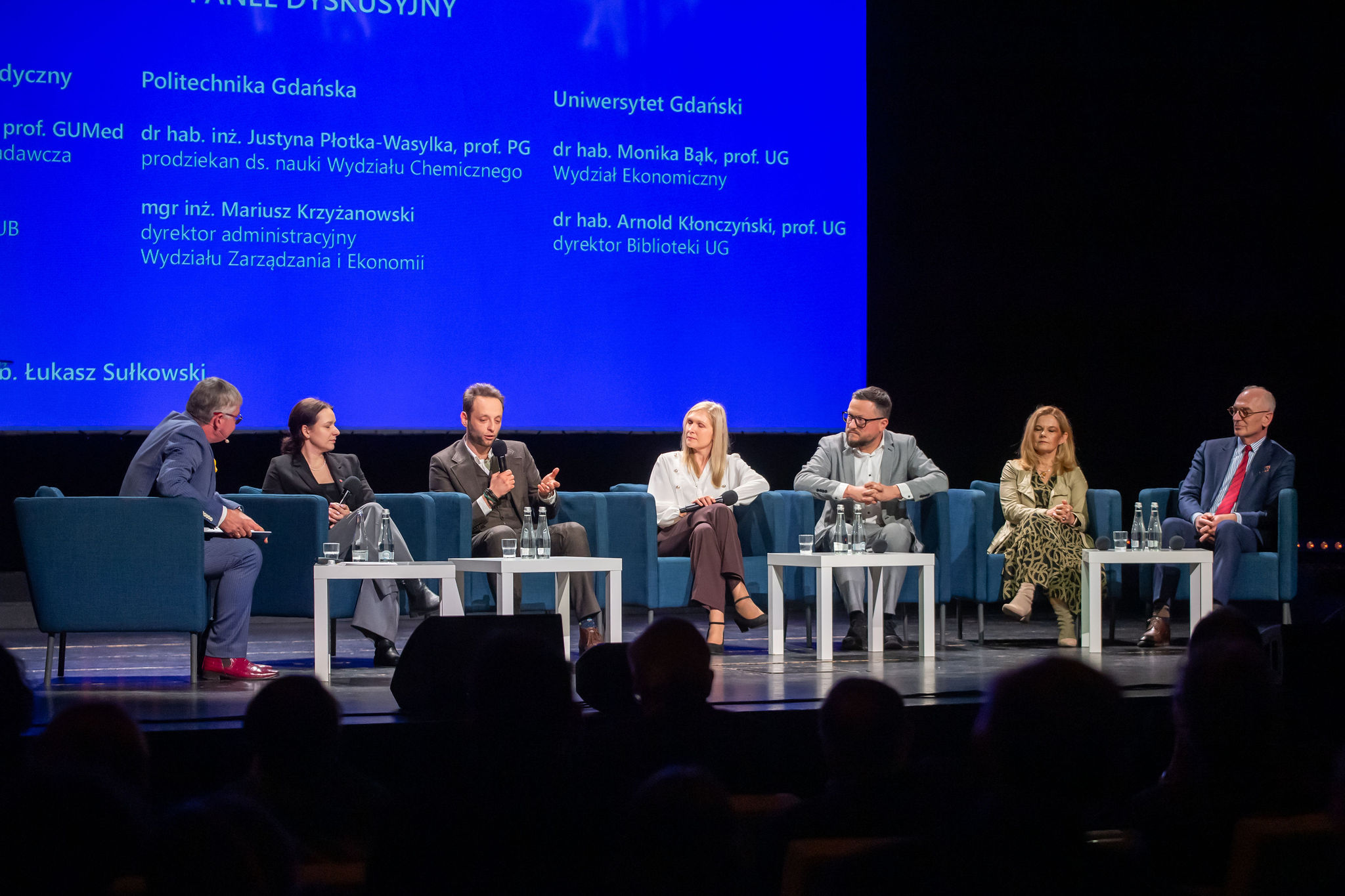
Mariusz Krzyżanowski, M.Sc. Eng., Administrative Director of the Faculty of Management and Economics, Gdańsk Tech: I had the pleasure of participating in one of the consolidation projects, which allowed me to view the process from an administrative perspective. Visits to the HR departments of the various universities gave us far more insight – we gathered a wealth of information that is useful in our daily work, far beyond what meetings and debates alone could provide. I believe we could expand this approach, creating a platform for administration to develop projects and, for example, jointly apply for grants.
Prof. Justyna Płotek-Wasylka, Associate Professor, the Faculty of Chemistry, Gdańsk Tech: What I have noticed, and what works very well even at the faculties of partner universities, is the exchange of research project leaders. When we rotate leadership within a consortium, it brings additional benefits, and such practices are already being implemented.
Prof. Jakub Mieczkowski, Associate Professor at the MUG, the International Research Agenda: It seems we should also start communicating this differently – showing a tangible reason why this significant work is being done. It will be easier to convince others, even to change habits, if we demonstrate the benefits and clearly define the goal.
Olga Hofman, Head of the Excellence Initiative – Research University (IDUB) Office, MUG: I am a great enthusiast of the idea itself and I am familiar with numerous positive examples of the FarU’s impact. Particularly regarding research projects, there are many stories that could be told at length. Much has happened over the past five years, but what will unfold over the next five will largely depend on legislative processes and the possibilities afforded by the law. These factors largely determine the pace of change.
Enthusiasts and visionaries
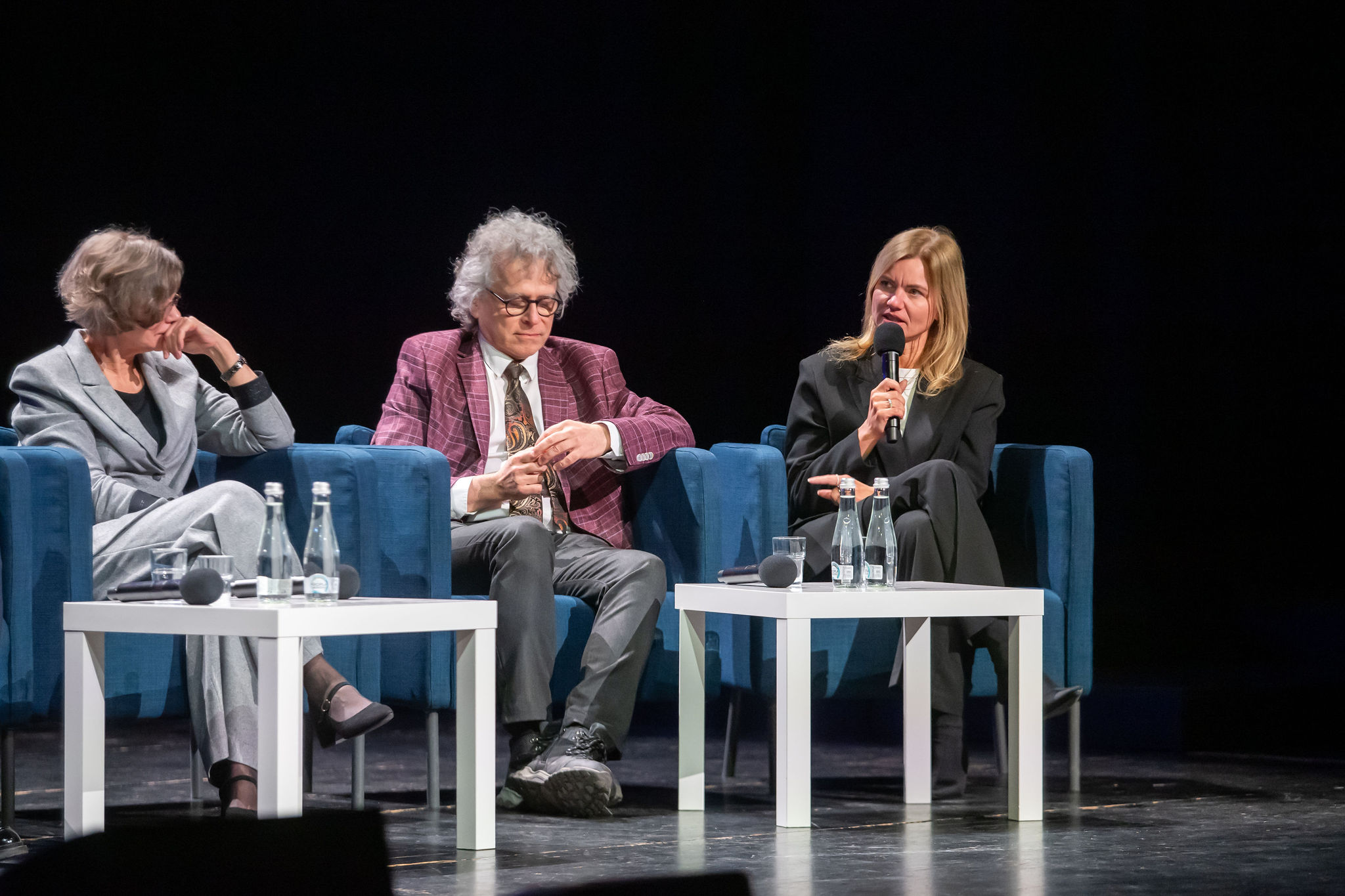
In the final panel, combined with a Q&A session, rectors and deans took the floor. In reference to the effectiveness of the recent survey, the discussion addressed the number of respondents. Attention was drawn to the participation of different groups in the survey and the generally positive attitude of most respondents toward the federation plans.
Prof. Michał Markuszewski, Rector of the Medical University of Gdańsk: If we take into account that the surveys were sent to the entire community, including a large number of students who, according to the results, were not sufficiently introduced to the integration process, it is not surprising that the response rate was low. What did surprise me, however, was the pessimistic perspective among academic staff. I see enormous potential in interdisciplinarity and in securing funding.
Prof. Krzysztof Wilde, Rector of the Gdańsk University of Technology: Overall, however, I have seen a mostly positive response to the federalisation process across various groups and university units. We must remember that most students are heavily focused on exams and their study progress, so it is unrealistic to expect them also to reflect on the functioning of an entity beyond their home university.
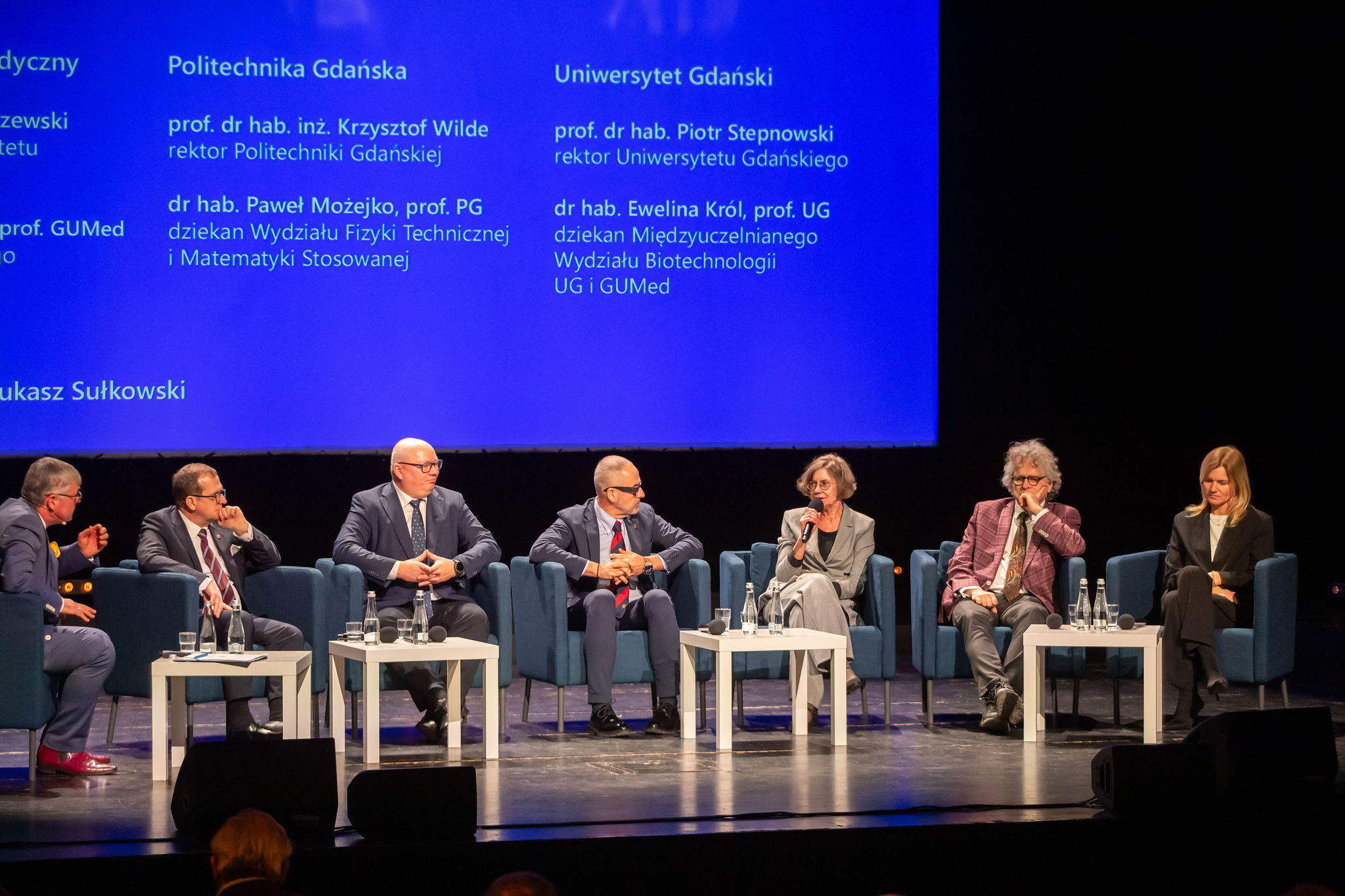
Prof. Maria Bieniaszewska, Associate Professor at the MUG, Dean of the Faculty of Medicine: Enthusiasts represent barely 5% of the community, judging by the reaction when we send an email asking to complete yet another survey. Anyone who completes it is clearly an enthusiast. What concerns me most, however, is the low awareness of these processes. I believe the issue is not about meetings – it is about mapping competencies, and this must be done at multiple levels. It was also mentioned today that collaboration between competing faculties began precisely when competencies and areas of cooperation were mapped. Medicine cannot develop in isolation – it requires engagement with other specialisations, broadly ranging from biotechnology to economics or perhaps pharmacology.
Prof. Paweł Możejko, Dean of the Faculty of Technical Physics and Applied Mathematics, Gdańsk Tech: What surprises me is the prevailing conservatism. Yes, we do federalise, but in the areas where disciplines overlap across our universities, there is significant scepticism. Personally, I feel a lack of vision, not necessarily short-term, but one that answers the question of where we are heading. Perhaps providing such a vision could awaken enthusiasm.
Prof. Ewelina Król, Associate Professor at the UG, Dean of the UG and MUG Intercollegiate Faculty of Biotechnology: I am not surprised, because these concerns existed even 33 years ago, when the intercollegiate Faculty of Biotechnology was established. In fact, there were many, many more concerns back then. Yet someone took the risk. Why did they take the risk? Because the founders identified exactly the same opportunities highlighted in the recent survey. The most valuable aspects – interdisciplinary projects, the use of resources not only in libraries but also in research and teaching – are designed to enable people to make use of this infrastructure, and this is happening.
Rector of the Medical University of Gdańsk: Examples from countries like France, where such federations have been established, show that the state provided financial instruments that significantly supported the process. Of course, there is a metropolitan law, but the money comes from the regional government budget, not from the national government.
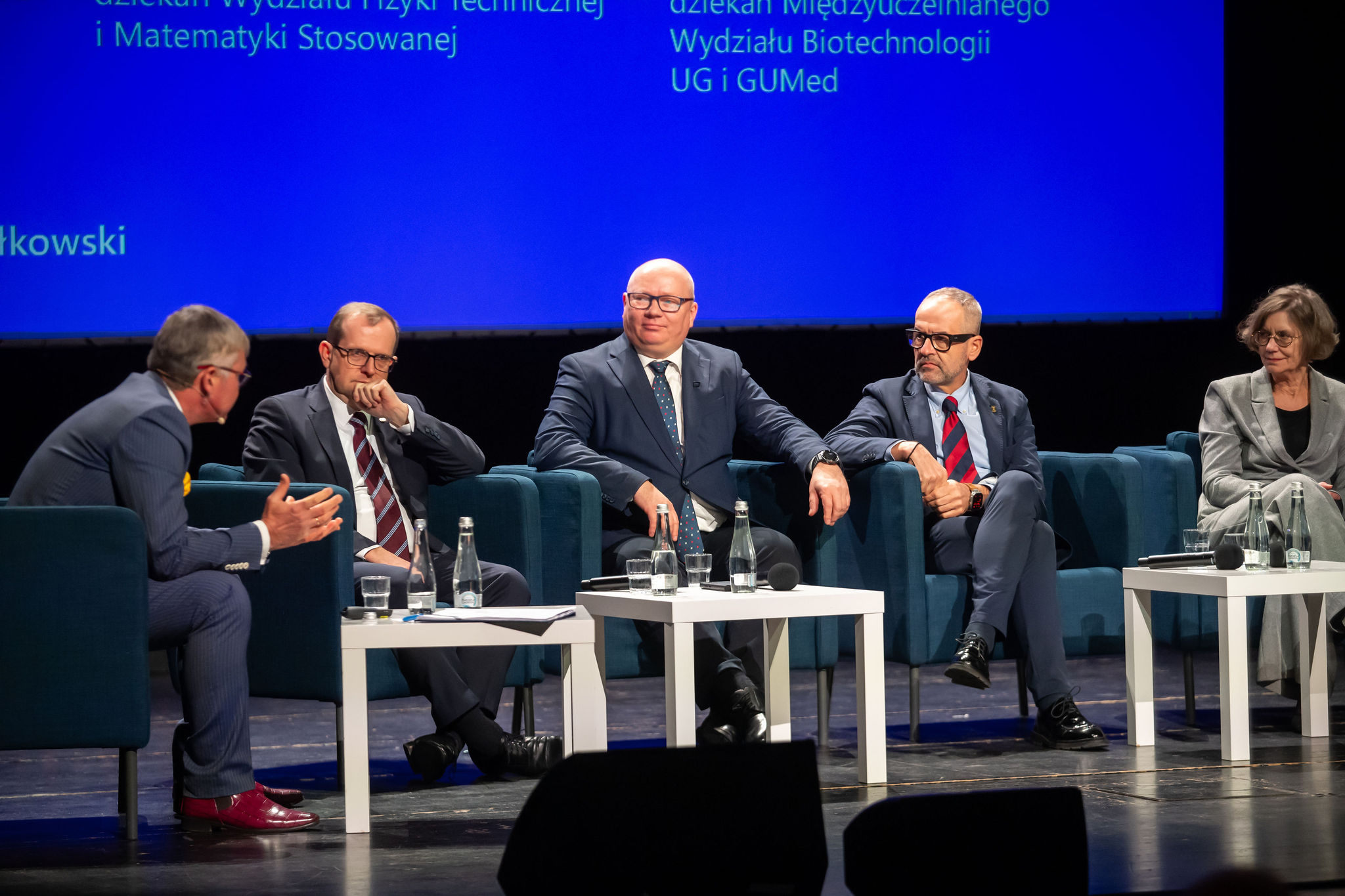
Rector of the Gdańsk University of Technology: The question is whether any ministry will provide financial support for this process. If not, integration will have to proceed through a grassroots, slow approach. I hope the legislation we are proposing will pass. The federation will not differ much from the existing Union, but our immediate task is to identify and develop the processes we consider most important. Small steps, with limited funds, but built on a strong grassroots foundation.
Prof. Piotr Stepnowski, Rector of the University of Gdańsk: For the past four years, we have been advocating for changes to the law to make the federation truly actionable. These are five provisions in the legislation that should not raise political concerns. Those provisions focus solely on streamlining structure, priorities, and the pace of development – for example, in evaluation procedures, or in inheriting the statute of a research excellence initiative – the elements that currently block further progress. The Metropolitan Area has come to our aid, enabling the federated university to be included as an entity within the metropolis. As a think tank and source of expertise in key areas of regional development, that entity is now part of the metropolitan law. This includes federation bonuses, which can also bring financial benefits.
The next item on the programme was a Q&A session. Questions addressed access to sports infrastructure, the involvement of the student community in jointly creating the federation, and the main opponents who have been making the process longer. We encourage viewers to watch the recording of the live stream and follow the full course of the event.
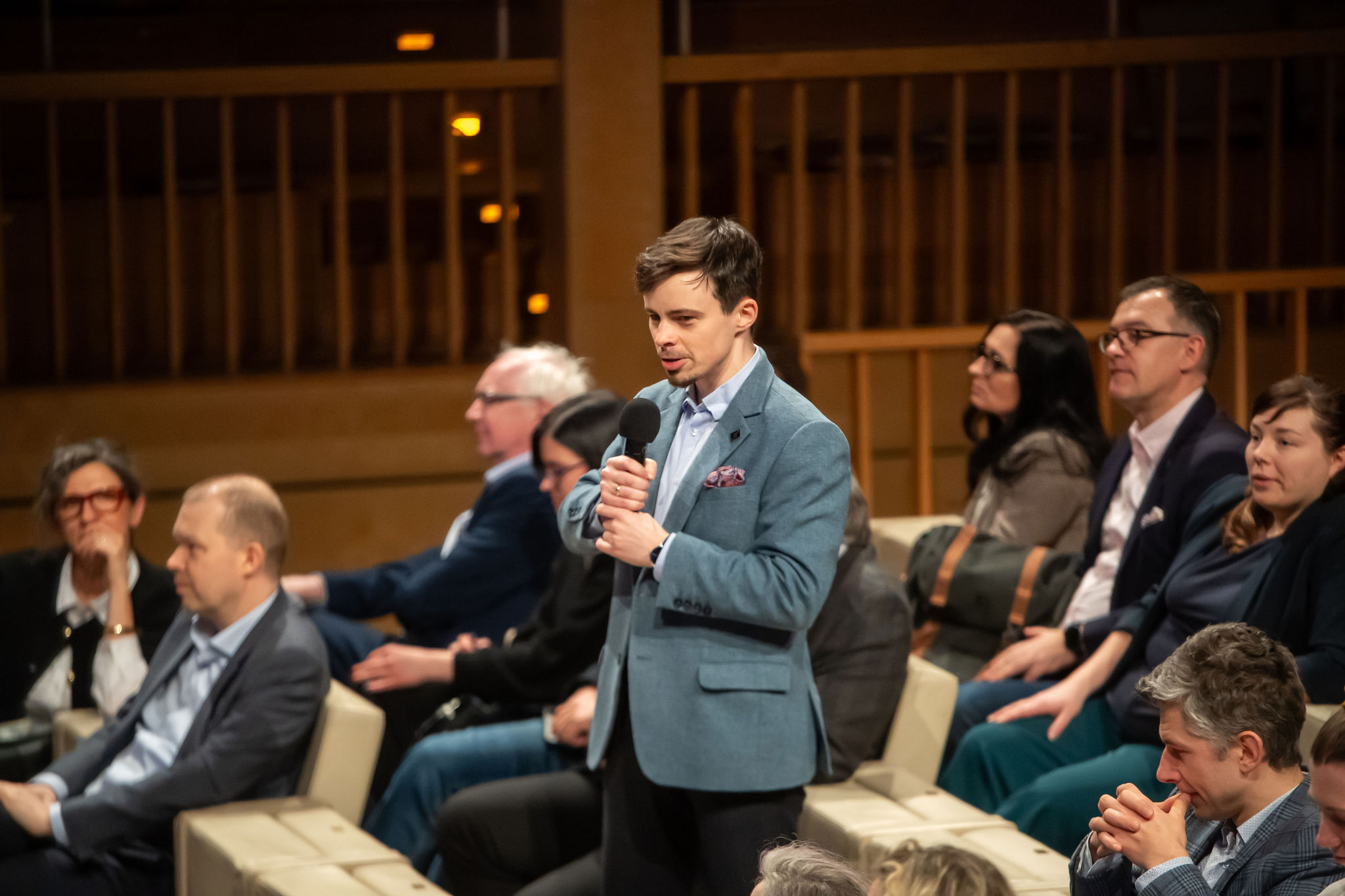
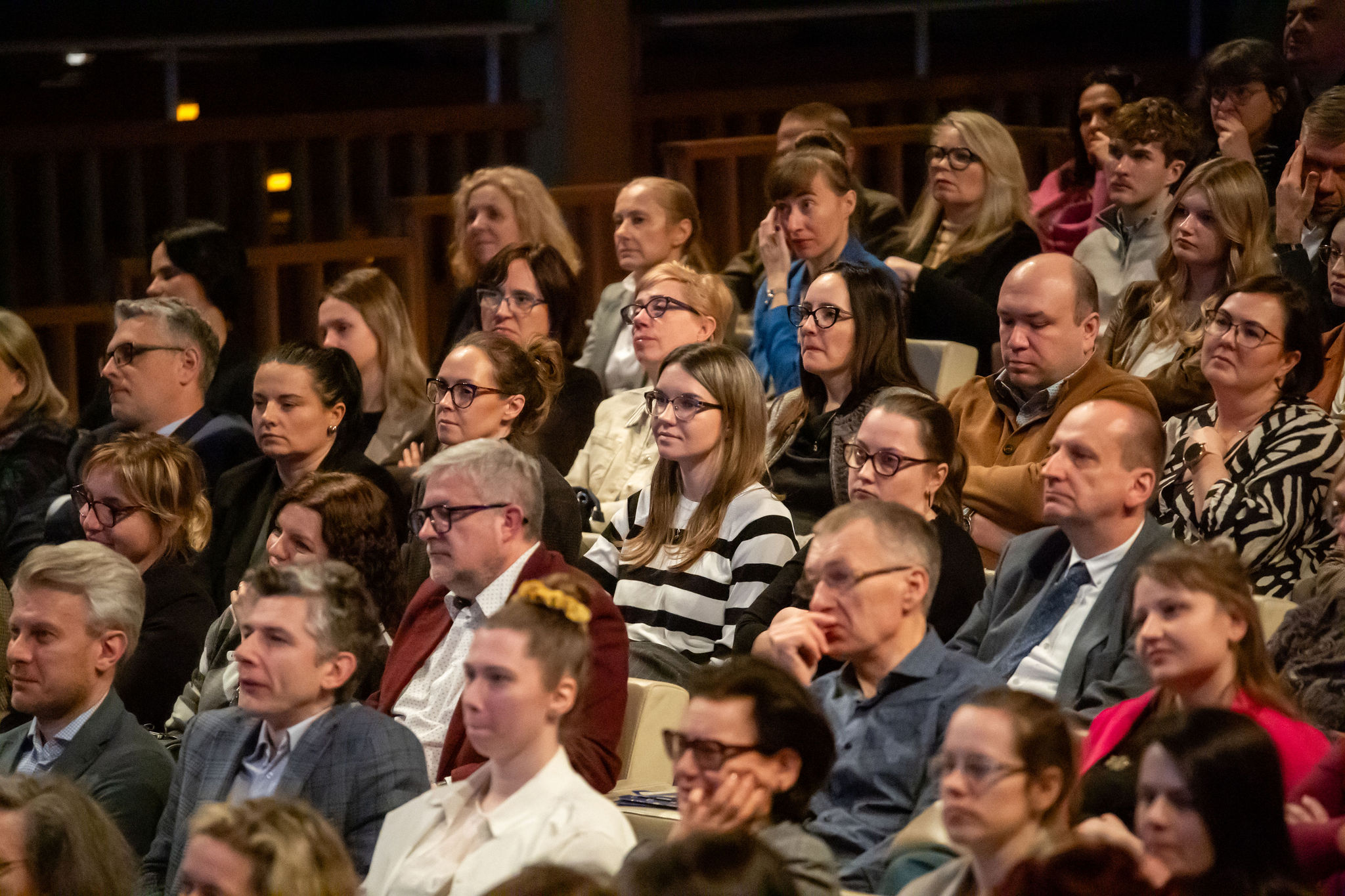
The event brought together representatives from the academic communities of the MUG, Gdańsk Tech, UG, Academy of Music in Gdańsk, and Academy of Fine Arts in Gdańsk, as well as a broad array of representatives from the local government, the economy, and business, including the President of Employers of Pomerania, the CEO of PKM SA, and the CEO of Gdańsk International Fair.
Photo: Gregmar
2026-03-13T12:16:25Z